


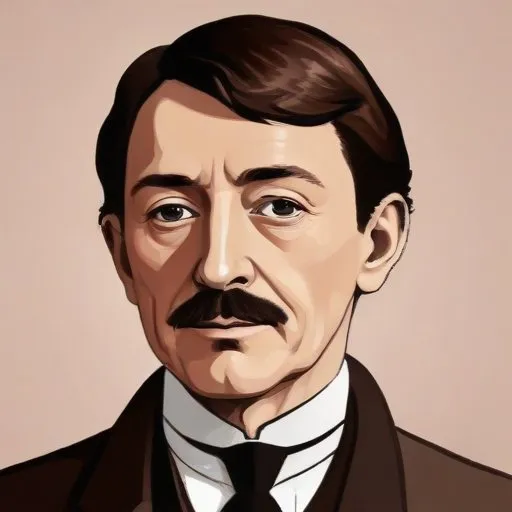
A celebrated poet laureate, he crafted evocative verse and novels that explored the human condition, earning a permanent place in British literary heritage.
Renowned English poet and writer, John Masefield, is best known for his captivating children's novels, such as The Midnight Folk and The Box of Delights, and his iconic poems, including The Everlasting Mercy and Sea-Fever.
As the Poet Laureate from 1930 until his death in 1967, Masefield's work has had a profound impact on literature, and his contributions continue to inspire generations of writers and readers alike.
Born on June 1, 1878, in Ledbury, Herefordshire, Masefield's early life was marked by tragedy, with the loss of his mother at the tender age of six, and his father's subsequent mental breakdown and death.
Masefield was sent to live with his aunt, who disapproved of his love for reading, and was later enrolled in the Kings School in Warwick (now known as Warwick School), where he was a boarder between 1888 and 1891.
In an attempt to break his addiction to reading, Masefield's aunt sent him to board the HMS Conway, where he was trained for a life at sea.
This experience would prove to be a turning point in Masefield's life, as he found solace in the stories told by the sailors and was inspired to become a writer and storyteller himself.
His time on the Conway is vividly described in his book New Chum, and his experiences on subsequent voyages, including his journey to Chile on the Gilcruix, would later be immortalized in his narrative poem, Dauber, published in 1913.
Masefield's literary career spanned over six decades, during which he wrote numerous novels, poems, and plays that continue to captivate readers of all ages.
Some of his notable works include:
In recognition of his contributions to literature, Masefield was appointed Poet Laureate in 1930, a position he held until his death in 1967.
John Masefield's work has had a lasting impact on literature, and his legacy continues to inspire generations of writers and readers alike.
His poetry and novels have been translated into numerous languages and continue to be widely read and studied in schools and universities around the world.
As a testament to his enduring legacy, Masefield's work remains a powerful reminder of the transformative power of literature to inspire, educate, and uplift.
Masefield married Edith Florence Lucas in 1898, and they had two children together.
He died on May 12, 1967, at the age of 88, leaving behind a rich literary legacy that continues to captivate and inspire readers to this day.
Throughout his life, Masefield was drawn to the sea, and his love for the ocean and its power to inspire is reflected in much of his work.
As we look back on his life and legacy, it is clear that John Masefield's contributions to literature have left an indelible mark on the literary landscape, and his work will continue to be cherished and studied for generations to come.
Born in 1770
A major Romantic poet, known for his focus on nature, emotion, and the human experience, creating works that evoke a sense of wonder and connection to the natural world.
Born in 1772
A leading figure of the Romantic movement, he crafted vivid, imaginative poetry and explored the human experience through his writing and philosophical ideas. His works continue to inspire and influence literature and art to this day.
Born in 1788
Romantic poet and playwright celebrated for passionate, expressive works that explored themes of love, freedom, and the human condition.
Born in 1792
Romantic-era writer of lyrical poetry and Gothic dramas that explored the human condition, freedom, and the beauty of nature.
Born in 1795
Romantic poet celebrated for sensual language and vivid imagery, capturing the beauty of nature and human experience in odes like "To Autumn" and "Ode to a Nightingale".
Born in 1812
A Victorian-era literary giant, renowned for crafting intricate, psychologically nuanced poetry and plays that probed the human condition, often exploring themes of love, death, and the nature of existence.
Born in 1806
A renowned poet and translator of the Victorian era, celebrated for her romantic and socially conscious works, particularly the iconic love poems "Sonnets from the Portuguese".
Born in 1819
A celebrated poet, essayist, and journalist who revolutionized American literature with his collection "Leaves of Grass", known for his free verse style and celebration of the human spirit.
