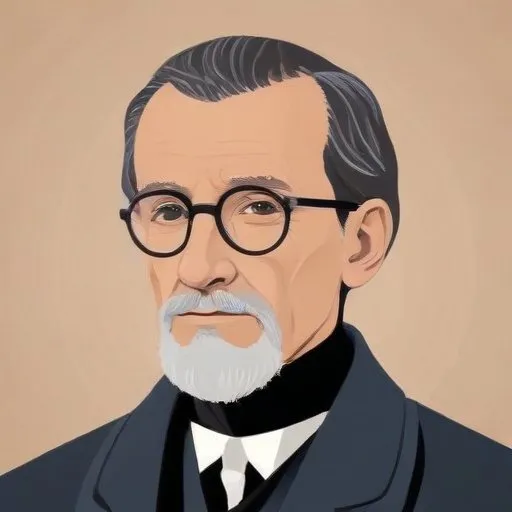
John Norman: The Visionary Behind the Gor Series
A Prolific Writer and Philosophy Professor
John Norman, born John Frederick Lange Jr. on June 3, 1931, is an American writer and philosophy professor best known for authoring the iconic Gor series of science fantasy novels. With an estimated 6 to 12 million copies sold, Norman's fiction has captivated readers worldwide, cementing his position as a master of the science fantasy genre.
Early Life and Education
Norman was born in Chicago, Illinois, to John Frederick Lange and Almyra D. Lange (née Taylor). He pursued his academic career in the early 1950s, earning a Bachelor of Arts degree from the University of Nebraska in 1953 and a Master of Arts degree from the University of Southern California in 1957.
Personal Life
Norman married Bernice L. Green on January 14, 1956, while still a student at USC. The couple has three children: John, David, and Jennifer.
Academic Career
Norman earned his PhD in 1963 from Princeton University, where he defended his dissertation, "In Defence of Ethical Naturalism: An Examination of Certain Aspects of Naturalistic Fallacy, with Particular Attention to the Logic of an Open Question Argument." This work laid the foundation for his philosophical contributions to the field of ethics.
Philosophical Contributions and Beliefs
Norman's philosophical stance emphasizes the importance of understanding morality within a naturalistic context. He argues that without a satisfying natural context, morality risks disintegration or fragmentation, leading to societal unrest.
Career Highlights and Major Works
Norman's writing career took off in the 1970s and early 1980s with the Gor series, which started with
Tarnsman of Gor in 1966. The series, comprising 25 installments, has been widely acclaimed and has garnered a dedicated fan base. Some notable works in the series include
Outlaw of Gor,
Priest-Kings of Gor, and
Hunters of Gor.
Influence on Modern Society
Norman's work has had a significant impact on the science fantasy genre, influencing authors and writers worldwide. His philosophical themes and exploration of morality, power dynamics, and social structures have contributed to the richness and diversity of the genre.
Controversies and Public Perception
Norman's work has not been without controversy. Some critics have accused him of perpetuating patriarchal and misogynistic attitudes in his fiction, particularly in the Gor series. However, Norman's defenders argue that his work often critiques and subverts these attitudes, offering a nuanced exploration of complex social issues.
Legacy and Impact on Pop Culture
John Norman's work has left an indelible mark on science fiction and fantasy literature. His influence can be seen in the work of authors such as
Robert E. Howard and
Frank Herbert, and his philosophical ideas continue to resonate with readers and scholars alike.
Trivia and Fun Facts
- Norman's PhD dissertation was titled "In Defence of Ethical Naturalism: An Examination of Certain Aspects of Naturalistic Fallacy, with Particular Attention to the Logic of an Open Question Argument."
- He was a professor at Queens College of the City University of New York before retiring.
- The Gor series has been translated into numerous languages, including French, German, Italian, and Spanish.
Awards and Honors
While Norman has not received any major literary awards, his work has been widely recognized and celebrated within the science fiction and fantasy community. His contributions to the genre have earned him a place among the pantheon of influential science fantasy authors.
FAQ
What is John Normans philosophical focus?
John Norman is a philosopher known for his work on metaethics, normative ethics, and moral psychology. He has written extensively on topics such as moral realism, moral constructivism, and the nature of moral judgement.
What is John Normans theory of moral realism?
John Normans theory of moral realism posits that moral statements describe objective features of the world, rather than simply expressing personal opinions or emotions. He argues that moral truths exist independently of human thought and culture.
What is John Normans approach to moral constructivism?
John Normans approach to moral constructivism emphasizes the role of human reasoning and decision-making in shaping moral norms and values. He argues that moral constructs are the result of collective human effort, rather than objective features of the world.
What is John Normans view on the nature of moral judgement?
John Normans view on the nature of moral judgement emphasizes the importance of reason and reflection in moral decision-making. He argues that moral judgements are not simply emotional responses, but rather the result of careful consideration and evaluation of moral principles and consequences.
What is John Normans legacy in philosophical ethics?
John Normans legacy in philosophical ethics is significant, with his work influencing generations of philosophers and ethicists. His contributions to the fields of metaethics, normative ethics, and moral psychology continue to shape ongoing debates and discussions.