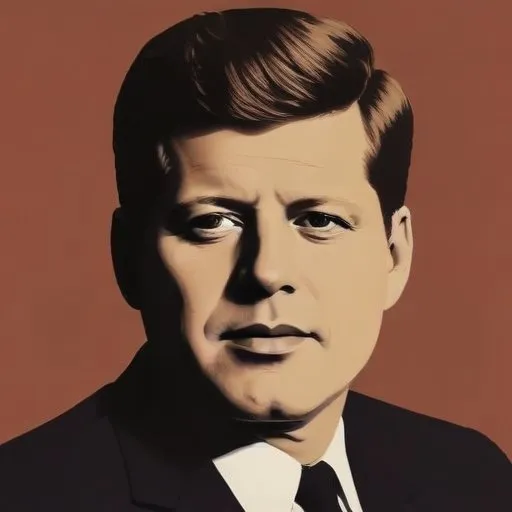
John P. Kennedy: The Visionary Leader Who Shaped Maryland's History
A Champion of Progress and Freedom
John P. Kennedy, a renowned American novelist, lawyer, and Whig politician, left an indelible mark on Maryland's history. He is most notable for his pivotal role in ending slavery in the state and promoting religious tolerance, earning him a revered place in the annals of American history.
Early Life and Education
Born on October 25, 1795, in Baltimore, Maryland, Kennedy was the son of an Irish immigrant and merchant, John Kennedy, and Nancy Pendleton, a descendant of the First Families of Virginia. Despite his family's financial struggles, including his father's bankruptcy in 1809, Kennedy received a relatively well-rounded education, graduating from Baltimore College in 1812. His college studies were interrupted by the War of 1812, during which he joined the army and marched with the United Company.
Rise to Prominence
Kennedy's multifaceted career spanned law, politics, and literature. He served as a U.S. Representative from Maryland's 4th congressional district, where he championed the adoption of the telegraph, a pioneering innovation that revolutionized communication. His tenure as United States Secretary of the Navy from 1852 to 1853, under President
Millard Fillmore's administration, further solidified his reputation as a forward-thinking leader.
Historical Legacy
Kennedy's commitment to Maryland's heritage was unwavering. He helped preserve the Historic St. Mary's City site, the birthplace of religious freedom in America, and founded the St. Mary's College of Maryland (formerly St. Mary's Female Seminary). Additionally, he contributed to the establishment of the Peabody Library, now part of
Johns Hopkins University, and the Peabody Conservatory of Music.
Abolition and Social Justice
One of Kennedy's most significant achievements was his instrumental role in ending slavery in Maryland. As a non-Confederate state, Maryland required a state law to free slaves within its borders and outlaw the practice. Kennedy's tireless efforts led to the passage of this landmark legislation, making him a celebrated champion of freedom and social justice.
Personal Milestones and Key Life Events
- 1847: Became Speaker of the Maryland General Assembly
- 1852-1853: Served as United States Secretary of the Navy
- Later life: Continued to advocate for religious tolerance and furthered studies of Maryland history
Philosophical Contributions and Beliefs
Kennedy's progressive vision was rooted in his unwavering commitment to freedom, tolerance, and social justice. He believed in the power of education and innovation to shape a better future for Maryland and the nation.
Impact on Modern Society
John P. Kennedy's remarkable life and achievements have left a lasting impact on American history. His steadfast dedication to ending slavery, promoting religious tolerance, and advancing education continues to inspire generations. As a testament to his legacy, Kennedy's contributions remain an integral part of Maryland's rich cultural heritage.
FAQ
What was John P. Kennedys literary contribution?
John P. Kennedy was a prominent American novelist, best known for his historical novels, including Horse-Shoe Robinson and Rob of the Bowl.
What was John P. Kennedys role in American politics?
Kennedy was a Whig politician, serving as a member of the Maryland House of Delegates and later as Secretary of the Navy under President Millard Fillmore.
What were John P. Kennedys interests outside of literature and politics?
Kennedy was an avid outdoorsman and naturalist, enjoying hunting, fishing, and exploring the American wilderness.
How did John P. Kennedys writing reflect his American identity?
Kennedys writing often explored themes of American identity, history, and culture, reflecting his deep love for his country and its people.
What was John P. Kennedys legacy in American literature?
Kennedys legacy in American literature is that of a pioneering writer, helping to shape the countrys literary identity and paving the way for future generations of American writers.