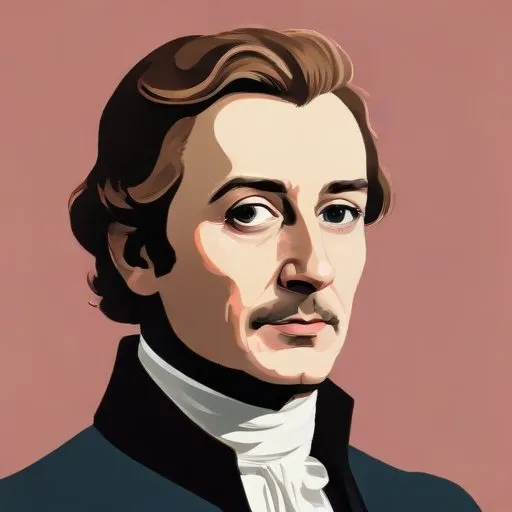
The Poetic Politician: John Sheffield, 1st Duke of Buckingham and Normanby
John Sheffield, 1st Duke of Buckingham and Normanby, was a multifaceted figure of the late Stuart period, renowned for his literary prowess as a poet and his influential role as a Tory politician. He held various prominent positions, including Lord Privy Seal and Lord President of the Council, leaving an indelible mark on British history.
A Life of Adventure and Service
Born on April 7, 1648, Sheffield's life was a tapestry of adventure, politics, and literary pursuits. At the tender age of 18, he joined the fleet, participating in the Second Anglo-Dutch War. He was present at the Battle of Sole Bay in 1672 and later received command of a ship. His military prowess earned him a colonelcy of infantry, and he served under the legendary Turenne.
A Knight of the Garter and Beyond
Sheffield's distinguished service was recognized when he was made a Knight of the Garter in 1674. This honor was followed by a series of prestigious appointments, including command of an expedition to relieve the besieged town of Tangier in 1680. Although the expedition was ultimately unsuccessful, Sheffield's bravery and strategic thinking were evident throughout.
Intrigue and Politics at Court
Sheffield's involvement in court politics was marked by controversy and intrigue. He was a vocal supporter of the Duke of York and played a significant role in the downfall of the Duke of Monmouth. However, his own ambitions led to his dismissal from court in 1682, allegedly for pursuing the hand of Princess Anne, who was 17 years his junior.
A Royal Favourite and Loyal Servant
Upon the accession of King James II, Sheffield's fortunes changed dramatically. He was appointed to the Privy Council and made Lord Chamberlain, becoming one of the king's most trusted advisors. He married Catherine, daughter of the king's mistress, Catherine Sedley, further solidifying his position at court. During the Glorious Revolution, Sheffield initially supported James II but eventually acquiesced, and in 1694, he was created Marquess of Normanby.
Literary Legacy
Sheffield's poetic talents were renowned in his lifetime, with his works highly regarded by contemporaries. His poetry is characterized by its lyricism, wit, and exploration of themes such as love, politics, and morality. Although his literary output was not as prolific as some of his contemporaries, his poetry remains a testament to his artistic genius.
Personal Milestones and Controversies
Throughout his life, Sheffield was embroiled in controversies, including allegations of plotting against King James II and his involvement in the Duke of Monmouth's downfall. Despite these challenges, he remained a loyal servant to the crown, earning the respect of his peers and the admiration of his contemporaries.
Legacy and Impact
John Sheffield, 1st Duke of Buckingham and Normanby, left an enduring legacy in both politics and literature. His poetry continues to be studied and appreciated, while his political career serves as a testament to his unwavering dedication to the crown. As a complex and multifaceted figure, Sheffield remains an intriguing and influential figure of the late Stuart period.
FAQ
What were John Sheffields, 1st Duke of Buckingham and Normanby, contributions to English literature?
John Sheffield, 1st Duke of Buckingham and Normanby, was a notable English poet and writer, known for his satirical works and his involvement in the Augustan Age of English literature.
What role did John Sheffield play in English politics?
As a prominent politician, John Sheffield, 1st Duke of Buckingham and Normanby, served as Lord President of the Council and was involved in several key government initiatives during the late 17th and early 18th centuries.
What was John Sheffields relationship like with King Charles II?
John Sheffield, 1st Duke of Buckingham and Normanby, was a close friend and advisor to King Charles II, serving as one of his most trusted confidants during the Restoration period.
What were John Sheffields views on the English monarchy?
As a strong supporter of the English monarchy, John Sheffield, 1st Duke of Buckingham and Normanby, believed in the importance of a strong central authority and was a vocal critic of those who sought to limit the power of the king.
How is John Sheffield remembered in English history?
John Sheffield, 1st Duke of Buckingham and Normanby, is remembered as a talented poet, dedicated politician, and loyal servant of the English crown, who played a significant role in shaping English culture and politics during the late 17th century.