


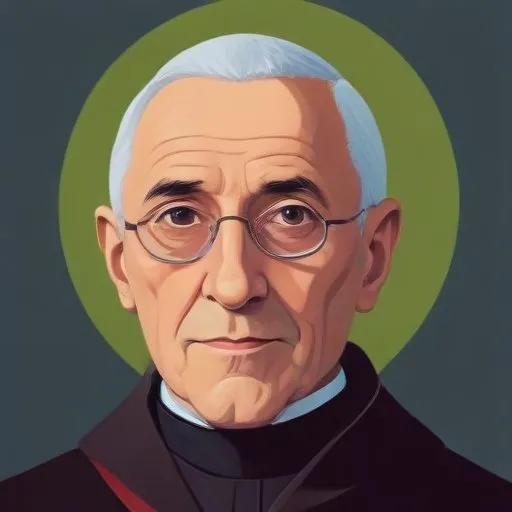
An Anglican priest and historian who wrote extensively on the history of London and its churches, producing detailed and influential works that remain valuable resources for scholars today.
John Strype, an English clergyman, historian, and biographer, is best known for his extensive and meticulous documentation of the lives of prominent figures of his time. Through his prolific writings, he has left an indelible mark on the historical record, providing unparalleled insights into the lives and times of 17th century England.
Born on November 1, 1643, in Houndsditch, London, Strype was the son of a silk throwster and a member of a Huguenot family who had settled in East London to escape religious persecution in Brabant. He was educated at St Paul's School and later at Jesus College, Cambridge, where he graduated with a Bachelor of Arts degree in 1665 and a Master of Arts degree in 1669.
In 1669, Strype became the perpetual curate of Theydon Bois, Essex, and later, curate and lecturer of Leyton in the same county. This position allowed him to establish direct correspondence with several notable ecclesiastical figures of his time, including Sir William Hicks, who would later provide him with access to the papers of Sir Michael Hicks, secretary to Lord Burghley.
Strype's extensive writings and transcriptions of historical documents have contributed significantly to our understanding of 17th century England. His most notable works include his biographies of Thomas Cranmer, John Aylmer, and John Foxe, as well as his historical accounts of the Church of England and the lives of its prominent figures.
John Strype's meticulous and detailed documentation of 17th century England has left a lasting legacy in the field of historical research. His works continue to be consulted by scholars and historians today, providing valuable insights into the lives and times of this pivotal period in English history.
In his later years, Strype became the sinecure of West Tarring, Sussex, and spent his final years in Hackney, where he lived with his married granddaughter, the wife of a surgeon, Thomas Harris. He died on December 11, 1737, at the age of 94, and was buried in the church at Leyton.
Born in 1813
Pioneering doctor who tracked down the source of a cholera outbreak in London, leading to significant advances in public health and epidemiology. Known for his groundbreaking work in tracing the disease to a contaminated water pump.
Born in 1643
A Scottish bishop, historian, and theologian who wrote influential works on the English Reformation and served as a close advisor to King William III. He's most known for his historical writings and ecclesiastical reforms.
Born in 1737
Wrote "The History of the Decline and Fall of the Roman Empire", a monumental work that shaped the field of historiography and remains a classic in the study of ancient civilizations.
Born in 1711
A Scottish Enlightenment thinker who developed influential ideas on morality, ethics, and human nature, and is considered one of the most important figures in the history of Western philosophy.
Born in 1703
A prominent figure in the 18th-century Methodist movement, he founded the Methodist Church and emphasized personal faith, social justice, and education. His teachings and legacy continue to shape Protestantism today.
Born in 1714
A charismatic Anglican priest who led a spiritual revival in 18th-century England and America, preaching to massive crowds and influencing the development of evangelical Christianity.
Born in 1725
A former slave trader who later became a prominent abolitionist and wrote the iconic hymn "Amazing Grace". He's a symbol of redemption and a powerful voice against slavery.
