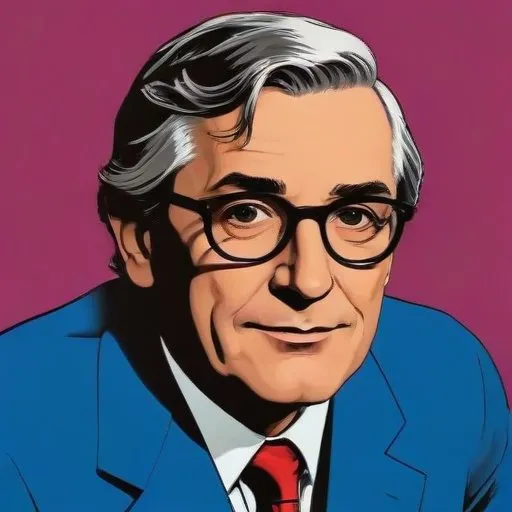
John Toland: The Irish Philosopher Who Shaped the Enlightenment
A Life of Radical Ideas and Unwavering Conviction
John Toland, the 17th-century Irish philosopher, is renowned for his pioneering work in the fields of pantheism, freethought, and deism. Toland's bold and unapologetic ideas not only challenged the dogmatic teachings of his time but also left an indelible mark on the Enlightenment, shaping the intellectual landscape of Europe.
Early Life and Education
Born on November 30, 1670, in Inishowen, County Donegal, Ireland, Toland was raised in a Catholic family. However, his intellectual curiosity and thirst for knowledge led him to explore various religious and philosophical traditions. Toland's educational journey took him from the University of Glasgow to the University of Edinburgh, where he studied theology and philosophy.
Philosophical Contributions and Beliefs
Toland's most significant contribution to philosophy is his concept of pantheism, which posits that God is identical with the universe. In his seminal work,
Christianity Not Mysterious (1696), Toland argued that religious truths can be discerned through reason and human intellect, rather than relying solely on divine revelation. This radical idea sparked controversy and criticism from both Catholic and Protestant circles.
Toland's deistic beliefs also challenged traditional Christian dogma. He believed that the universe was governed by natural laws, and that God did not intervene in human affairs. This perspective, outlined in his later work,
Letters to Serena (1704), resonated with Enlightenment thinkers and helped shape the modern concept of deism.
Career Highlights and Major Works
Toland's literary output was impressive, with works spanning theology, philosophy, and politics. Some of his notable writings include:
- Christianity Not Mysterious (1696)
- Letters to Serena (1704)
- Tetradymus (1720)
- Panthéisticon (1720)
Influence on Modern Society
Toland's ideas had a profound impact on the development of modern thought. His advocacy for reason, individual freedom, and critical inquiry helped shape the Enlightenment ethos. Toland's influence can be seen in the works of prominent thinkers such as Voltaire,
Immanuel Kant, and
Thomas Jefferson.
Personal Milestones and Key Life Events
Toland's life was marked by controversy, exile, and financial struggles. Despite these challenges, he remained committed to his ideals and continued to write and publish his work. Toland's personal relationships were also significant, including his close friendship with the philosopher and statesman, Anthony
Ashley Cooper, 3rd Earl of Shaftesbury.
Historical Context and Legacy
John Toland's life and work are best understood within the context of the 17th- and 18th-century intellectual landscape. His radical ideas and critiques of religious dogma contributed to the emergence of modern thought and the shaping of the Enlightenment. Toland's legacy extends beyond his philosophical contributions, as he remains an important figure in the history of freethought and the struggle for intellectual freedom.
Trivia and Fun Facts
* Toland was known for his linguistic skills, being proficient in several languages, including Latin, Greek, and Hebrew.
* He was a prolific writer, producing over 20 works during his lifetime.
* Toland's work influenced the development of modern biblical criticism and the study of early Christianity.
By exploring John Toland's life, works, and ideas, we gain insight into the vibrant intellectual landscape of the 17th and 18th centuries. As a philosopher, Toland's radical ideas and unwavering conviction continue to inspire and challenge us, reminding us of the power of human reason and the importance of intellectual freedom.
FAQ
What is John Tolands most famous work?
John Tolands most famous work is The Rising Sun, a groundbreaking biography of Japanese Admiral Isoroku Yamamoto, which won the Pulitzer Prize for General Nonfiction in 1971.
What topics did John Toland primarily write about?
John Toland primarily wrote about World War II, focusing on the experiences of soldiers and civilians, as well as the leaders and strategists of the war.
What awards did John Toland receive for his writing?
John Toland received numerous awards, including the Pulitzer Prize, the Cornelius Ryan Award, and the American Academy of Arts and Letters Award, for his meticulous research and engaging writing style.
What is John Tolands legacy in historical writing?
John Tolands legacy in historical writing is that of a meticulous researcher and compelling storyteller who brought the complexities of World War II to life, inspiring a new generation of historians and writers.
How did John Tolands writing style influence historical nonfiction?
John Tolands writing style influenced historical nonfiction by emphasizing narrative storytelling, vivid descriptive language, and meticulous research, setting a new standard for historical writing.