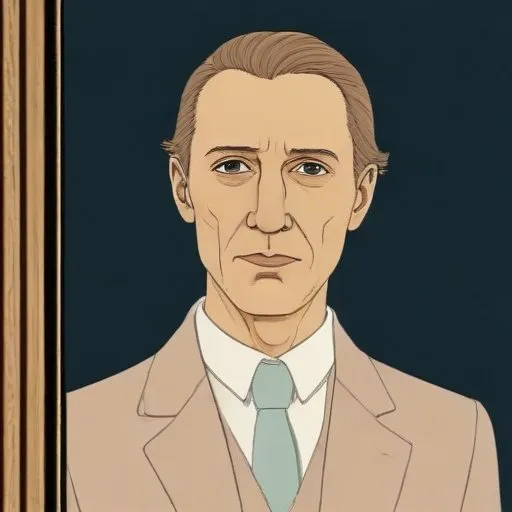
Joseph Cornell

Joseph Cornell

Joseph Cornell was born on December 24th, 1903

Full Name: Joseph Cornell
Profession: Sculptor
Nationality: American
Born: December 24, 1903
Zodiac Sign: Capricorn
Art Movement: Surrealism
Medium: Assemblage
Famous Work: Untitled (Medici Princess)

A pioneer of assemblage art, creating dreamlike, surrealistic boxes and collages that explored the intersection of art and everyday life. Known for his innovative, poetic, and often mysterious works that continue to inspire artists and filmmakers today.

Written by: Emily Carter Emily Carter

Joseph Cornell: The Pioneering Artist of Assemblage

A Life of Creative Experimentation

Joseph Cornell is renowned for his innovative and intricate boxed assemblages, which blended the principles of Surrealism, Constructivism, and fantasy. As a pioneer of assemblage art, Cornell's work redefined the boundaries of modern art, inspiring generations of artists, filmmakers, and collectors.

Early Life and Influences

Born on December 24, 1903, in Nyack, New York, Cornell grew up in a family of Dutch ancestry. His father, Joseph Cornell, was a textiles industry executive, and his mother, Helen Ten Broeck Storms Cornell, was a nursery teacher. After his father's untimely death in 1917, the family moved to Queens, New York City, where Cornell developed his artistic skills, largely self-taught.

A Career of Innovation

Cornell's artistic journey began with collage and sculpture, which eventually led to his signature boxed assemblages. These intricate creations typically featured found objects, such as antique prints, seashells, and clock parts, carefully arranged within glass-fronted boxes. This unique approach earned him recognition as a leading figure in the Surrealist movement.

Some of Cornell's most notable works include:

Avant-Garde Filmmaker

In addition to his work in assemblage, Cornell was an experimental filmmaker, creating short films that explored the realm of dreams and the subconscious. His films, such as "Rose Hobart" (1936) and "The Aviary" (1955), showcased his unique vision and innovative techniques.

Personal Life and Legacy

Cornell lived a reclusive life, caring for his mother and disabled brother, Robert, in their family home on Utopia Parkway, Queens. Despite his physical isolation, he remained connected with the art world, corresponding with prominent artists, including Marcel Duchamp and André Breton.

Cornell's legacy extends far beyond his own artistic output. His work has inspired countless artists, from Robert Rauschenberg to Damien Hirst, and continues to influence contemporary art, film, and literature.

Quote

"The only thing I can think of that would make life more interesting would be to have a little more time to enjoy it." - Joseph Cornell

Awards and Recognition

Throughout his career, Cornell received numerous awards and honors, including:

Remembering Joseph Cornell

Joseph Cornell's life and art serve as a testament to the power of creativity and innovation. His pioneering spirit and boundless imagination continue to inspire generations of artists, filmmakers, and enthusiasts alike.
Timeline
1903
Born in New York
Joseph Cornell was born on December 24, 1903, in New York City.
1920
Started Career in Art
Cornell began his career in art, working as a textile designer and later as a filmmaker.
1930
Created First Assemblage
Cornell created his first assemblage, a three-dimensional collage of found objects and materials.
1942
Exhibited at Museum of Modern Art
Cornells work was exhibited at the Museum of Modern Art in New York, solidifying his reputation as a prominent American artist.
1972
Passed Away
Joseph Cornell passed away on December 29, 1972, at the age of 69.
Joseph Cornell

Joseph Cornell Quiz

What art movement is Joseph Cornell most associated with?

Score: 0/5
FAQ
What is Joseph Cornells most famous art form?
Joseph Cornell is renowned for his assemblage boxes, which combine found objects, glass containers, and other materials to create intricate, dreamlike scenes that explore themes of memory, identity, and the human experience.
What was Joseph Cornells relationship with Marcel Duchamp?
Cornell was a great admirer of Marcel Duchamp, and the two artists shared a mutual respect for each others work. Duchamps influence can be seen in Cornells use of found objects and his exploration of the concept of the readymade.
How did Joseph Cornells visual art intersect with his filmmaking?
Cornells filmmaking and visual art are closely intertwined, with many of his films featuring stop-motion animation and collage techniques similar to those used in his assemblage boxes. His films explore similar themes of memory, nostalgia, and the human condition.
What is Joseph Cornells significance in American avant-garde art?
Joseph Cornell was a key figure in American avant-garde art, pushing the boundaries of what was considered art and exploring new means of expression. His work continues to influence generations of artists.
Where can Joseph Cornells art be found today?
Joseph Cornells art can be found in major museums and private collections worldwide, including the Museum of Modern Art, the Whitney Museum, and the Philadelphia Museum of Art.

Related People:

Marcel Duchamp

Born in 1887

A pioneering artist who challenged conventional norms by submitting a urinal as art, sparking a revolution in conceptual art and questioning the very definition of art itself.

Salvador Dalí

Born in 1904

A renowned surrealist master of bizarre, dream-like paintings and sculptures that blur reality and fantasy, known for iconic works like "The Persistence of Memory" and "The Elephants".

Max Ernst

Born in 1891

A pioneering figure in Surrealism, creating dreamlike, fantastical works that blurred reality and the subconscious, influencing generations of artists.

André Breton

Born in 1896

French poet and author who founded Surrealism, a cultural movement that explored the subconscious and the world of dreams. He wrote novels, poems, and essays that continue to influence art and literature today.

René Magritte

Born in 1898

A Belgian surrealist painter who challenged perceptions by depicting everyday objects in unexpected contexts, creating thought-provoking and witty visual paradoxes.

Man Ray

Born in 1890

A pioneer of avant-garde photography, this artist experimented with techniques like solarization and rayography, creating surreal, dreamlike images that blurred the line between art and photography.

Lee Miller

Born in 1907

A pioneering model-turned-photographer who captured intimate portraits of WWII soldiers and later became a renowned war correspondent, known for her striking images and fearless approach.

Dorothea Tanning

Born in 1910

A pioneering Surrealist artist, known for her dreamlike, symbolic paintings and sculptures that explored the realms of the subconscious, as well as her poetry that delved into the human psyche.