


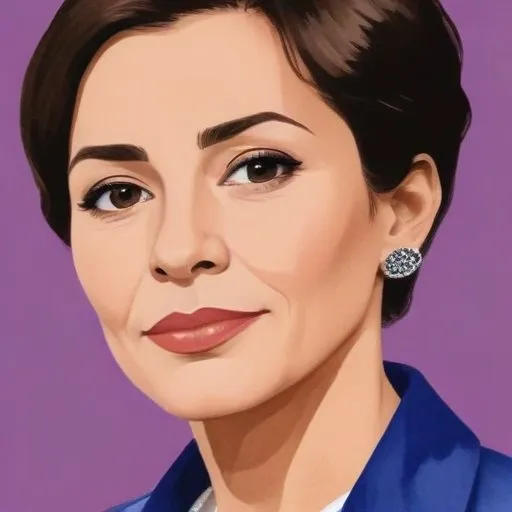
A pioneering African American woman who founded a newspaper and advocated for women's rights and racial equality through her writing and activism. She played a key role in the formation of the National Association of Colored Women.
Josephine St. Pierre Ruffin was a pioneering African American publisher, journalist, civil rights leader, suffragist, and abolitionist who made a lasting impact on American society. She is best known for editing the Woman's Era, the first national newspaper published by and for African American women, which provided a platform for women's voices and advocacy during a time of great social change.
Ruffin was born on August 31, 1842, in Boston, Massachusetts, to John St. Pierre, a successful clothier of French and African descent from Martinique, and Elizabeth Matilda Menhenick from Cornwall, England. Her father was the founder of a Boston Zion Church, and her parents valued education, ensuring that Josephine received a quality education despite the segregated schools in Boston. She attended public schools in Charlestown and Salem, and later a private school in New York City.
Ruffin's marriage to George Lewis Ruffin, a Harvard Law School graduate and future Boston City Council member, marked the beginning of her involvement in the abolitionist movement. Together, they worked to recruit black soldiers for the Union Army during the American Civil War, specifically the 54th and 55th Massachusetts regiments. They also contributed to the Sanitation Commission, which provided aid for soldier care in the field.
After the war, Ruffin turned her attention to organizing for the Kansas Freedmen's Relief Association, collecting money and clothes to support southern blacks resettling in Kansas, known as Exodusters. Her commitment to women's suffrage led her to join forces with Julia Ward Howe and Lucy Stone in 1869 to form the American Woman Suffrage Association (AWSA) in Boston.
In 1894, Ruffin co-founded the Woman's Era, a monthly newspaper dedicated to showcasing the voices and achievements of African American women. As editor, she used the platform to advocate for women's rights, education, and civil rights, addressing issues such as lynching, segregation, and voter suppression.
The Woman's Era became a powerful tool for mobilizing women and sparking change, featuring articles, poetry, and news from across the country. Ruffin's editorial vision was instrumental in shaping the publication's tone and direction, earning her recognition as a pioneering journalist and publisher.
Josephine St. Pierre Ruffin's life's work had a profound impact on American society. Through her journalism, advocacy, and community organizing, she helped to amplify the voices of African American women and challenge the status quo. Her legacy extends beyond her own accomplishments, inspiring future generations of women to take up the mantle of activism and leadership.
Josephine St. Pierre Ruffin's remarkable life and achievements serve as a testament to her unwavering dedication to civil rights, women's empowerment, and social justice. Her trailblazing spirit continues to inspire and motivate, ensuring her legacy endures for generations to come.
Born in 1862
A pioneering African American journalist and anti-lynching crusader who exposed the horrors of racial violence in the South through her writing and activism.
Born in 1820
Pioneering figure in the women's suffrage movement, fighting for women's right to vote and own property. Her tireless efforts led to significant advancements in women's rights.
Born in 1815
Pioneering women's rights activist who led the women's suffrage movement, fighting for women's right to vote and own property.
Born in 1805
Founded an influential abolitionist newspaper, The Liberator, to advocate for the immediate emancipation of slaves. Known for his radical and uncompromising stance against slavery.
Born in 1811
Wrote influential abolitionist novels, including "Uncle Tom's Cabin", which humanized the horrors of slavery and fueled the anti-slavery movement.
Born in 1800
Abolitionist who led the raid on Harpers Ferry, a pivotal event that helped spark the American Civil War, fighting to end slavery through radical action.
Born in 1819
Pioneering poet and songwriter credited with writing the "Battle Hymn of the Republic", a powerful anthem that became a rallying cry for the Union during the American Civil War.
