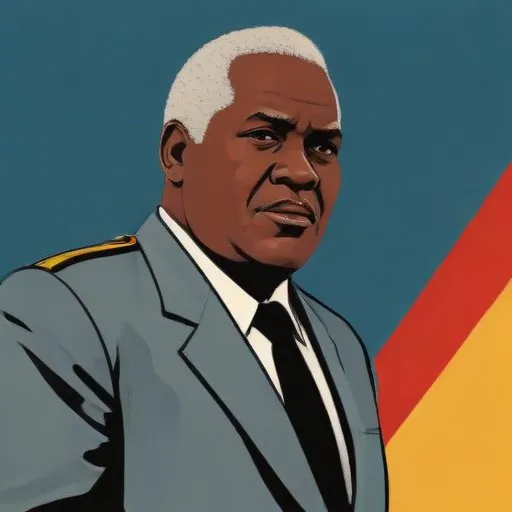
Joshua Nkomo: The Zimbabwean Revolutionary and Statesman
A Leading Figure in Zimbabwe's Struggle for Independence
Joshua Nkomo, fondly referred to as "Father Zimbabwe," was a renowned Zimbabwean revolutionary and politician who played a pivotal role in the country's struggle for independence from white minority rule. As the founder and leader of the Zimbabwe African Peoples Union (ZAPU), Nkomo was a key figure in the fight against colonialism and oppression, earning him numerous accolades and recognition as a champion of African liberation.
Early Life and Educational Background
Born on June 19, 1917, in Matopos, Matabeleland, Southern Rhodesia (now Matobo, Zimbabwe), Nkomo grew up in a poor Ndebele family. His father, Thomas Nyongolo Letswansto Nkomo, was a preacher and cattle rancher who worked for the London Missionary Society. After completing his primary education in Southern Rhodesia, Nkomo pursued a carpentry course at the Tsholotsho Government Industrial School. He later became a schoolteacher, specializing in carpentry, before deciding to further his education in South Africa.
Political Career and Activism
Nkomo's involvement in politics began in the 1940s, when he joined the African National Congress (ANC). He soon became a prominent figure in the African nationalist movement, advocating for independence and self-determination. In 1957, he founded the National Democratic Party (NDP), which was later banned by the white minority government. Nkomo was subsequently arrested and imprisoned for ten years, where he continued to champion the cause of African liberation.
Leadership and Legacy
Upon his release from prison in 1974, Nkomo led ZAPU, which played a significant role in the fall of the white minority government. He was a key figure in the negotiations leading to Zimbabwe's independence in 1980. Nkomo served as Vice President of Zimbabwe from 1990 until his death in 1999. His leadership and vision for a unified and independent Zimbabwe earned him the respect and admiration of his people.
Awards and Honors
Nkomo received numerous awards and honors for his contributions to Zimbabwe's struggle for independence and his commitment to African liberation. Some of his notable awards include:
- Hero of Zimbabwe
- Order of Jamaica
- Grand Commander of the Order of the Republic of Ghana
Philosophical Contributions and Beliefs
Nkomo's philosophical contributions were rooted in his commitment to African nationalism and socialism. He believed in the importance of African self-determination and the need for economic empowerment. His leadership style was characterized by his ability to unite people from diverse backgrounds, a hallmark of his commitment to national unity.
Personal Milestones and Key Life Events
Some of Nkomo's notable personal milestones include:
- Marriage to Johanna MaFuyana in 1949
- Exile in Zambia and Tanzania during the early 1960s
- Fleeing Zimbabwe in 1983 due to political persecution
- Signing the Unity Accord with Robert Mugabe in 1987
Historical Context and Legacy
Nkomo's life and legacy are inextricably linked to the history of Zimbabwe's struggle for independence. His leadership and vision played a significant role in shaping the country's political landscape. Today, Nkomo is remembered as a national hero, and his contributions continue to inspire generations of Zimbabweans.
Comparative Analysis with Contemporaries
Nkomo's leadership style and philosophy are often compared to those of other African nationalist leaders, such as
Kwame Nkrumah and
Julius Nyerere. While Nkomo's approach was more pragmatic and focused on national unity, his commitment to African liberation and self-determination was unwavering.
Influence on Modern Society
Nkomo's legacy extends beyond Zimbabwe's borders. His contributions to African liberation and his commitment to self-determination continue to inspire people across the continent and around the world. His leadership and vision serve as a beacon of hope for those fighting for social justice and human rights.
Final Thoughts
Joshua Nkomo's life was a testament to his unwavering commitment to African liberation and self-determination. His leadership and vision continue to inspire generations of Zimbabweans and Africans around the world. As we reflect on his life and legacy, we are reminded of the importance of unity, perseverance, and the pursuit of social justice.
FAQ
What was Joshua Nkomos role in the Zimbabwean liberation struggle?
Joshua Nkomo was a key figure in the Zimbabwean liberation struggle, leading the Zimbabwe African Peoples Union (ZAPU) and playing a crucial role in the fight against white minority rule in Rhodesia. He was a founder of ZAPU and served as its president until 1980.
How did Joshua Nkomo become Vice President of Zimbabwe?
After Zimbabwe gained independence in 1980, Joshua Nkomo became the countrys Vice President under Prime Minister Robert Mugabe. He held this position from 1980 to 1985, working to rebuild and develop the newly independent nation.
What was Joshua Nkomos relationship with Robert Mugabe?
Joshua Nkomo and Robert Mugabe were once allies in the fight against white minority rule, but their relationship soured after independence. Mugabes government accused Nkomos ZAPU party of plotting a coup, leading to a period of persecution and violence against ZAPU supporters.
How did Joshua Nkomo contribute to Zimbabwean politics?
Joshua Nkomo was a prominent figure in Zimbabwean politics, advocating for democracy and human rights. He worked to promote national unity and reconciliation, and his legacy continues to influence Zimbabwean politics today.
What is Joshua Nkomos legacy in Zimbabwe?
Joshua Nkomo is remembered as a hero of the Zimbabwean liberation struggle and a champion of human rights. His legacy continues to inspire Zimbabweans, and his contributions to the countrys independence and development are still celebrated today.