


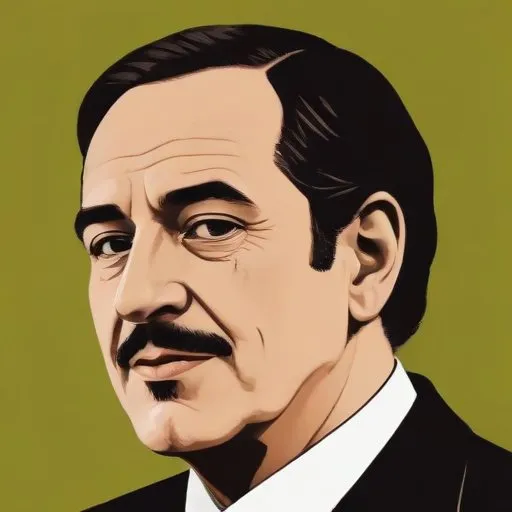
A Spanish composer and educator who wrote symphonies and operas, and was known as the "Spanish Mozart" due to his talent and early death.
Juan Crisstomo Arriaga, nicknamed the Spanish Mozart, was a Spanish Basque composer who made a remarkable impact on the music world during his short-lived life. Known for his exceptional talent, Arriaga was a child prodigy and an accomplished composer who died young, much like his Austrian counterpart, Wolfgang Amadeus Mozart.
Born on January 27, 1806, in Bilbao, Biscay, Arriaga was introduced to music at a young age by his father, Juan Simón de Arriaga, and his older brother. By the time he was 17, Arriaga was already an organist at a church in Berriatúa. His father, recognizing his son's prodigious talent, decided to send him to Paris in 1821 to further his music education.
In Paris, Arriaga began his studies at the prestigious Conservatoire, where he was fortunate to learn from some of the best music minds of the time. He studied violin under Pierre Baillot, counterpoint with Luigi Cherubini, and harmony under François-Joseph Fétis. Arriaga's exceptional talent did not go unnoticed, and he soon became a teaching assistant in Fétis's class, earning high praise from his teachers and fellow students.
Although Arriaga's life was cut short, he left behind an impressive body of work, including symphonies, operas, and choral pieces. His most famous work is the Stabat Mater, which earned him the admiration of Cherubini, who exclaimed, "Amazing! You are music itself." Arriaga's music is characterized by its lyricism, expressiveness, and technical mastery, showcasing his remarkable talent and potential.
Juan Crisstomo Arriaga's life and music serve as a testament to the power of talent and dedication. Despite his short life, he left an indelible mark on the music world, earning him the nickname "the Spanish Mozart." Arriaga's legacy continues to inspire and influence composers and musicians to this day, a reminder of the importance of nurturing and celebrating exceptional talent.
"Amazing! You are music itself." - Luigi Cherubini, upon hearing Arriaga's Stabat Mater
Arriaga's music and legacy have had a lasting impact on modern society, influencing generations of composers, musicians, and music lovers. His music remains a testament to the power of art to transcend time and borders, inspiring new audiences and artists alike.
Juan Crisstomo Arriaga's extraordinary talent, remarkable achievements, and untimely passing make him a fascinating figure in the world of music. As we remember the Spanish Mozart, we celebrate not only his remarkable talent but also the enduring power of music to touch hearts and minds across cultures and generations.
Born in 1770
A musical genius who expanded the possibilities of classical music, creating iconic symphonies and piano sonatas that continue to inspire and influence generations of artists.
Born in 1756
A child prodigy and master of classical music, he composed over 600 works, including symphonies, operas, and chamber music, that continue to inspire and influence musicians today.
Born in 1732
A renowned composer and pianist of the Classical period, known for his symphonies, operas, and chamber music that showcased his innovative and expressive style. He played a significant role in shaping the Classical music era.
Born in 1782
A virtuosic violinist and composer who revolutionized the instrument's technical possibilities, leaving an indelible mark on classical music.
Born in 1797
A renowned composer of symphonies, operas, and chamber music, particularly famous for his emotional and expressive lieder (art songs) that showcased his mastery of melody and harmony.
Born in 1809
A renowned 19th-century musician who masterfully blended classical and romantic styles, creating iconic works like the "Wedding March" and "Elijah" oratorio. His compositions continue to inspire and influence generations of artists.
Born in 1810
A renowned Romantic-era composer and influential music critic, known for his expressive and emotionally charged works, including symphonies, piano music, and art songs.
Born in 1833
A renowned pianist and composer, he crafted complex, expressive works that blended traditional and innovative techniques, leaving an indelible mark on classical music.
