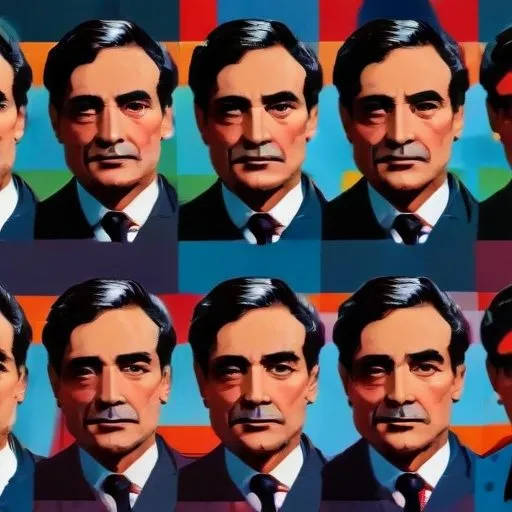
Juan Negrín: The Maverick Leader of the Spanish Republic
A Champion of Social Democracy in Turbulent Times
Juan Negrín, a Spanish physician and politician, etched his name in the annals of history as the prime minister of the Second Spanish Republic from 1937 to 1939. During the Spanish Civil War, he led the Republican forces against the Nationalist forces under General
Francisco Franco, earning him a place as one of the most prominent figures of the era.
Early Life and Formative Years
Born on February 3, 1892, in Las Palmas on the Canary Islands, Negrín hailed from a deeply Catholic middle-class family. His father, Juan Negrín Cabrera, was a successful merchant, which provided Negrín with the opportunity to pursue higher education. He studied medicine at the University of Granada, where he later became a professor of physiology.
Rise to Prominence
Negrín's ascent to power began when he joined the Spanish Socialist Workers' Party (PSOE) in 1929. His charismatic leadership and pragmatic approach to politics earned him the respect of his peers, leading to his appointment as finance minister in 1936. This position allowed him to implement significant economic reforms, which endeared him to the working class.
The Republican Premier
In 1937, Negrín became the prime minister of the Spanish Republic, a position he held until 1939. During his tenure, he navigated the complex web of international alliances, securing aid from the Soviet Union to bolster the Republican cause. His leadership style, often described as authoritarian, was criticized by some, but he maintained that it was necessary to maintain order in the face of chaos.
The Spanish Civil War and Exile
The Spanish Civil War marked a turning point in Negrín's life. Despite his efforts, the Republican forces were ultimately defeated by the Nationalists in 1939. Negrín fled to France, where he continued to lead the Spanish Republican government in exile until 1945.
Legacy and Controversy
Negrín's legacy is marked by controversy. Initially vilified by Francoist historians and even some sectors of the exiled Spanish Left, he was accused of authoritarianism, selling out to the Soviets, and plundering the Spanish treasury. However, recent scholarship, such as the work of Gabriel Jackson, has sought to dispel these accusations, portraying Negrín as a pragmatic social democrat who made difficult decisions to keep the Republican cause alive.
Personal Milestones and Key Life Events
- February 3, 1892: Born in Las Palmas, Canary Islands
- 1929: Joined the Spanish Socialist Workers' Party (PSOE)
- 1936: Appointed finance minister
- 1937: Became prime minister of the Spanish Republic
- 1939: Republican forces defeated by Nationalists; Negrín fled to France
- 1945: Resigned as leader of the Spanish Republican government in exile
- November 12, 1956: Died in exile in Paris, France
Rehabilitation and Reappraisal
In 2008, the PSOE posthumously rehabilitated Negrín, acknowledging his significant contributions to Spanish politics and the struggle against fascism. Today, Negrín's legacy serves as a powerful reminder of the importance of social democracy and the ongoing struggle for a more just and equitable society.
FAQ
What was Juan Negríns role in the Spanish Republic?
Juan Negrín was the 67th Prime Minister of Spain, serving from 1937 to 1939. He was a key figure in the Republican government during the Spanish Civil War, leading the countrys resistance against the Nationalist forces.
What was Juan Negríns stance on communism?
Juan Negrín was a socialist who worked closely with the communist party during the Spanish Civil War. However, he was also critical of communist excesses and sought to maintain democratic values within the Republican government.
What was Juan Negríns relationship with the Soviet Union?
Juan Negrín was a strong ally of the Soviet Union, which provided significant military and economic aid to the Republican government during the Spanish Civil War. However, he was also critical of Soviet interference in Spanish affairs and sought to maintain Spanish independence.
What was Juan Negríns role in the exile community?
After the fall of the Republican government, Juan Negrín went into exile in France, where he continued to advocate for Spanish democracy and humanitarian causes. He played a key role in the Spanish exile community, providing support to refugees and refugees.
What is Juan Negríns legacy in Spanish history?
Juan Negrín is remembered as a courageous and dedicated leader who fought to defend Spanish democracy against fascist forces. His legacy is still debated among historians, but he remains an important figure in Spanish history and a symbol of resistance against oppression.