


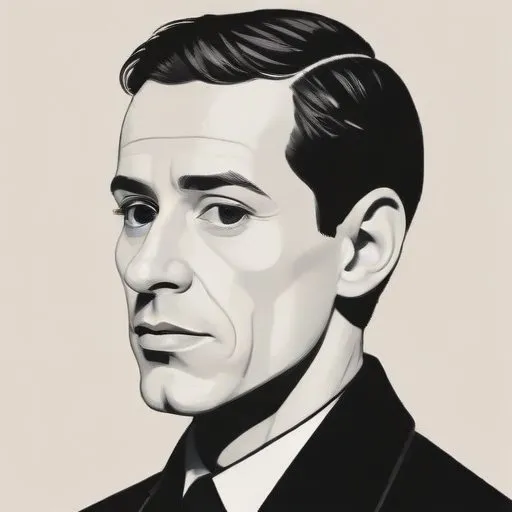
A still-life painter who mastered the art of capturing the play of light on everyday objects, creating intricate and beautiful compositions.
Juan van der Hamen y Gómez de León is renowned for his exquisite still life paintings, a genre he popularized in 1620s Madrid. As a prolific and versatile artist, he left an indelible mark on the art world, earning him a reputation as one of the greatest masters of still life.
Born in Madrid in 1596, Juan van der Hamen was baptized on April 8th of the same year. His father, Jan van der Hamen, was a Flemish courtier who had moved from Brussels to Madrid as an archer in the King's noble guard before 1586. His mother, Dorotea Witman Gómez de León, was a half-Flemish woman of noble Toledan ancestry.
Van der Hamen's family emphasized their Spanish roots by using their maternal grandmother's family name, Gómez de León. He inherited his father's honorary positions at the court of Philip II and also served as an unsalaried painter of the king.
Juan van der Hamen's artistic activity in the service of the crown is first recorded on September 10, 1619, when he was paid for painting a still life for the country palace of El Pardo, to the north of Madrid.
Noted for his versatility, van der Hamen painted religious history paintings, allegories, landscapes, low-life subjects, portraits, and still lifes. However, it was his still life paintings that brought him the greatest fame. He served at the courts of Philip III and Philip IV and established the popularity of the new genre of still life in Madrid in the 1620s.
A prolific artist, van der Hamen painted all his works during the first decade of the reign of Philip IV. It is known that he painted more still lifes in 1622 than in any other period of his life.
Juan van der Hamen's still life paintings are characterized by their realism, attention to detail, and masterful use of chiaroscuro. His works had a profound impact on the development of still life painting in Spain and beyond.
Today, van der Hamen's paintings can be found in museums and private collections around the world, including the Prado Museum, the Royal Palace of Madrid, and the National Gallery of Art in Washington, D.C.
Van der Hamen's brothers, Pedro and Lorenzo, were both writers and emphasized their Spanish roots by using their maternal grandmother's family name, Gómez de León.
Juan van der Hamen died on March 28, 1631, leaving behind a legacy as one of the greatest masters of still life painting.
"The art of painting is not just about creating beautiful images, but about capturing the essence of life itself." - Juan van der Hamen
Van der Hamen's words reflect his dedication to his craft and his ability to find beauty in the everyday.
Juan van der Hamen's life and work spanned a period of great cultural and artistic transformation in Spain. His contributions to the development of still life painting helped shape the course of Spanish art in the 17th century.
Today, van der Hamen is remembered as a master of his craft, a true innovator who pushed the boundaries of art and inspired generations of artists to come.
Born in 1599
A renowned Spanish painter and educator, known for his masterful use of chiaroscuro and his iconic portraits of royalty, particularly the Spanish royal family.
Born in 1577
A renowned Flemish painter and diplomat, famous for his vivid and emotive Baroque-style masterpieces, particularly his lush nudes and dramatic altarpieces.
Born in 1598
A master of chiaroscuro, he created dramatic, emotionally charged paintings of monks, saints, and still-life compositions that evoke a sense of quiet contemplation. His works are characterized by intense light and shadow, imbuing his subjects with a sense of spirituality.
Born in 1601
A 17th-century master of multiple artistic mediums, renowned for his exquisite Baroque-style paintings, intricate sculptures, and innovative architectural designs. His works continue to inspire and influence artists to this day.
