


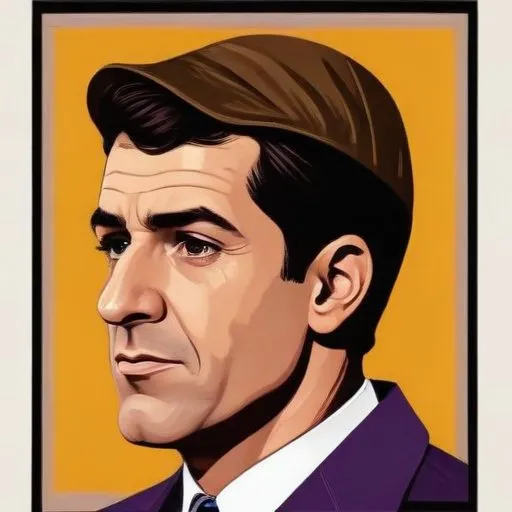
Australian public servant who played a significant role in shaping the country's administrative system and infrastructure development, particularly in the fields of transportation and public works.
Justinian Oxenham is renowned for his exemplary public service, particularly as the Secretary of the Postmaster-General's Department from January 1911 to December 1923. During his tenure, he played a pivotal role in shaping Australia's postal service, making significant contributions to its development and growth.
Oxenham was born on April 23, 1860, in Warwick, Queensland. He began his career in the postal service, where he quickly rose through the ranks. In the year of Australia's federation, he was appointed as Chief Clerk of the Postmaster-General's Department.
In January 1911, Oxenham was promoted to Secretary of the Postmaster-General's Department, a position he held for over a decade. During this period, he represented the Commonwealth at the International Postal Conference in Madrid in February 1921, further solidifying his reputation as a stalwart in the field of postal services.
Oxenham's dedication to public service was recognized with the distinction of the Imperial Service Order.
Oxenham's contributions to Australia's postal service have left an indelible mark. His commitment to excellence and his leadership helped shape the country's communication infrastructure. He passed away on March 27, 1932, at his home in Charles Street, Kew, Melbourne, leaving behind a legacy of dedication and service to the nation.
Oxenham's personal life was marked by simplicity and humility. He was buried at Boroondara General Cemetery, a testament to his unassuming nature.
Oxenham's life and career serve as a testament to the power of dedication and hard work. His impact on Australia's postal service continues to be felt to this day, making him a true pioneer in his field.
Born in 1916
The 21st Prime Minister of Australia, a lawyer, and lieutenant who introduced sweeping social and economic reforms, including universal healthcare and free education, and played a significant role in shaping the country's modern identity.
96 Years Old
The 22nd Prime Minister of Australia, serving from 1975 to 1983, known for leading the country through a period of significant social and economic change, and for his strong stance on human rights and multiculturalism.
96 Years Old
Leader of the Australian Labor Party who served as Prime Minister from 1983 to 1991, known for his charismatic leadership and economic reforms.
82 Years Old
The 24th Prime Minister of Australia, a Labor Party leader who implemented significant economic reforms, including deregulation and privatization, and is known for his bold and charismatic leadership style.
73 Years Old
A British singer-songwriter and pianist known for his emotive, poetic lyrics and soaring melodies, crafting introspective and atmospheric indie-pop soundscapes.
68 Years Old
The 26th Prime Minister of Australia, a diplomat, and leader who apologized to the Indigenous Australians for past injustices and played a key role in shaping the country's climate change policies.
64 Years Old
The first female Prime Minister of Australia, serving from 2010 to 2013, known for her progressive policies and leadership during a period of significant economic reform.
68 Years Old
The 28th Prime Minister of Australia, a conservative leader who served from 2013 to 2015, known for his tough stance on immigration and climate change skepticism. He's also a Rhodes Scholar and athlete.
