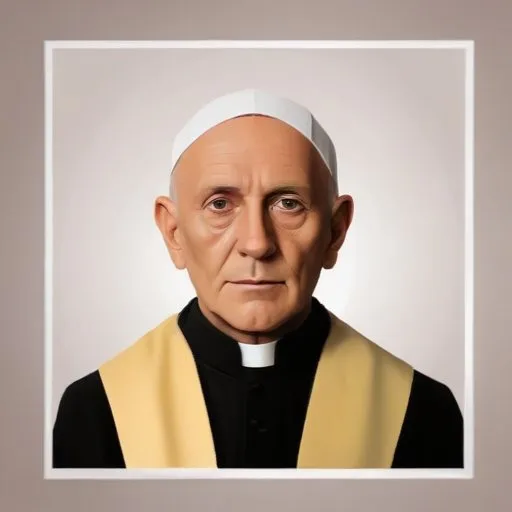
Jzef Tischner: A Polish Priest and Philosopher
The Voice of Ethics in Turbulent Times
Jzef Tischner was a Polish priest and philosopher who became the semiofficial chaplain of the Solidarity movement, a trade union that played a pivotal role in Poland's transition from communism to democracy. Through his writings and sermons, Tischner preached the importance of ethics and moral responsibility, earning him praise from Pope John Paul II.
Early Life and Education
Born on March 12, 1931, in Stary Scz, Poland, Tischner grew up in the village of Opuszna in southeastern Poland. He pursued higher education at Jagiellonian University in Kraków, where he developed a strong foundation in philosophy.
A Writer and Activist
In the 1970s, Tischner became a prominent writer of the opposition movement against the socialist government of the People's Republic of Poland. His work critiqued the regimes' moral and political failures, and he was soon recognized as a leading voice for reform.
Chaplain of Solidarity
In the 1980s, Tischner's involvement with Solidarity deepened, and he became the movement's spiritual leader. He was a strong advocate for the workers' rights and played a crucial role in shaping the union's moral and ethical stance.
Philosophical Contributions and Beliefs
Tischner's philosophical work focused on the intersection of Christianity and philosophy. He challenged the dominance of Thomism, arguing that it limited the scope of philosophical inquiry. Instead, he believed that philosophy should be independent, yet informed by Christian values.
Critic of Polish Religiousness and Politics
Tischner was not afraid to criticize the Polish clergy, accusing them of being conservative, engaged in politics, and even antisemitic. He famously described Polish religiosity as "flat and shallow as a pancake." Such provocative statements often sparked controversy, but Tischner remained committed to his convictions.
Awards and Honors
In 1999, Tischner received the Order of the White Eagle, Poland's highest decoration, in recognition of his contributions to the country's democratic transition.
Legacy and Controversy
Tischner's life and work continue to spark debate in Poland. While some view him as a champion of ethics and moral responsibility, others criticize his sharp critiques of the Polish clergy and governmental policies. Nevertheless, his impact on Poland's transition to democracy remains undeniable.
Major Works and Publications
Tischner was a prolific writer, and his works include:
- The Decline of Thomistic Christianity (1970)
- Unhappy Gift of Father (collection of articles)
- Catholic Weekly (liberal Catholic and Christian democratic newspaper)
Personal Milestones and Key Life Events
Tischner's life was marked by significant events, including:
- 1931: Born in Stary Scz, Poland
- 1970s: Became a prominent writer of the opposition movement against the socialist government
- 1980s: Became the semiofficial chaplain of the Solidarity movement
- 1999: Received the Order of the White Eagle
- 2000: Passed away on June 28 in Kraków, Poland
Tischner's life and work serve as a testament to the power of ethics and moral responsibility in shaping a nation's destiny. As Poland continues to grapple with its complex history, Tischner's legacy remains an important reminder of the importance of critical thinking and civic engagement.
FAQ
What was Józef Tischners role in Polish philosophy?
Józef Tischner was a prominent Polish philosopher and priest who made significant contributions to the development of phenomenology and existentialism in Poland. He was known for his work on the philosophy of human existence and his critical engagement with modern philosophy.
What were Józef Tischners notable works?
Józef Tischner wrote several influential books on philosophy, including The Philosophy of Drama and The Ethics of Human Existence. He was also a frequent contributor to philosophical journals and publications.
What was Józef Tischners relationship with Pope John Paul II?
Józef Tischner was a close friend and advisor to Pope John Paul II, and the two men shared a deep commitment to promoting dialogue between faith and reason. Tischner often served as a philosophical consultant to the Pope on matters of theology and ethics.
What were Józef Tischners human rights initiatives?
Józef Tischner was a strong advocate for human rights and social justice, and he worked to promote democratic values and civil liberties in Poland during the Communist era.
What was Józef Tischners legacy?
Józef Tischners legacy is as a prominent Polish philosopher and priest who made significant contributions to the development of phenomenology and existentialism. He is remembered for his courage, his commitment to promoting human dignity, and his tireless advocacy for human rights and social justice.