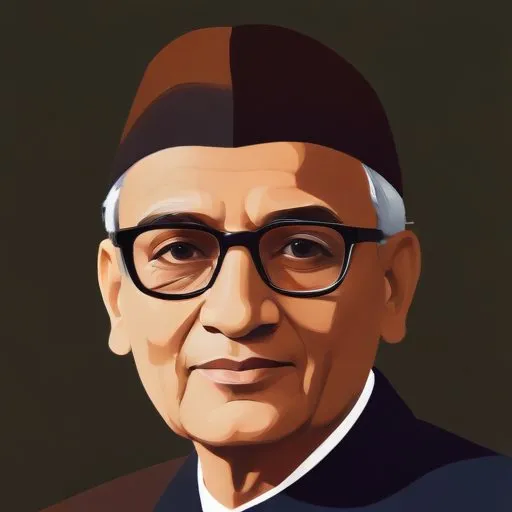
K. M. Munshi: A Visionary Leader and Literary Icon of India
A Life Dedicated to Independence and Education
K. M. Munshi, popularly known by his pen name Ghanshyam Vyas, is best known for his instrumental role in India's independence movement and his remarkable contributions to Gujarati literature. As a prolific writer, politician, and educator, Munshi left an indelible mark on the country's struggle for freedom and its cultural heritage.
Early Life and Influences
Born on December 30, 1887, in Bharuch, Gujarat, Munshi's early life was shaped by his encounters with influential figures such as Aurobindo Ghosh, Maharaja Sayajirao Gaekwad III of Baroda,
Mahatma Gandhi, Sardar Patel, and Bhulabhai Desai. These interactions had a profound impact on his worldview, politics, and literary pursuits.
Literary Contributions
Munshi's literary portfolio is vast and diverse, encompassing works in Gujarati, English, and Hindi. His writings often explored themes of Indian independence, social reform, and cultural identity. As a pioneer of Gujarati literature, Munshi's works have inspired generations of writers and intellectuals.
Founding of Bharatiya Vidya Bhavan
In 1938, Munshi founded the Bharatiya Vidya Bhavan, an esteemed educational trust that has become a beacon of knowledge and culture in India. This institution has played a significant role in promoting education, arts, and literature across the country.
Political Career
Munshi's political career was marked by his involvement in the Indian independence movement, during which he was a key figure in the Indian National Congress. After independence, he joined the Swatantra Party and went on to hold several important posts, including member of the Constituent Assembly of India, minister of agriculture and food of India, and governor of Uttar Pradesh.
Influence on Modern Society
Munshi's legacy extends far beyond his literary and political achievements. His commitment to education, social reform, and cultural preservation has left a lasting impact on modern Indian society. His ideas and ideals have inspired countless individuals to strive for excellence and contribute to the nation's development.
Philosophical Contributions and Beliefs
Munshi's philosophical beliefs were deeply rooted in his faith in the power of education and the importance of preserving India's cultural heritage. He was a strong advocate for Hindu-Muslim unity and believed that education was the key to bridging the divide between different communities.
Personal Milestones and Key Life Events
- Received the Elite prize for scoring maximum marks in English language in 1907
- Joined the Indian Home Rule movement in 1915 and became its secretary
- Founded the Bharatiya Vidya Bhavan in 1938
- Became a member of the Constituent Assembly of India and later served as governor of Uttar Pradesh
Legacy and Comparative Analysis
Munshi's contributions to Indian literature, politics, and education are unparalleled. His visionary leadership, literary prowess, and commitment to social reform have made him an iconic figure in Indian history. In comparison to his contemporaries, Munshi's unique blend of literary and political acumen sets him apart as a true champion of India's independence and cultural renaissance.
Quote and Memorable Saying
"The highest mission of education is to create a sense of Indianness and to inculcate in the youth a deep reverence for India's cultural heritage." – K. M. Munshi
FAQ
What were K. M. Munshis contributions to Indian education?
K. M. Munshi made significant contributions to Indian education, founding the Bharatiya Vidya Bhavan, a prominent educational institution that aimed to promote Indian culture and values.
How did K. M. Munshis literary works influence Indian literature?
K. M. Munshis literary works had a profound impact on Indian literature. His writings emphasized Indian culture, history, and values, influencing many Indian writers and intellectuals.
What was K. M. Munshis role in Indian politics?
K. M. Munshi played a significant role in Indian politics, serving as a member of the Indian National Congress and contributing to the countrys struggle for independence.
How did K. M. Munshis education policy influence Indian education?
K. M. Munshis education policy emphasized the importance of Indian culture, values, and languages in education. He advocated for an education system that promoted national integration and cultural heritage.
What was K. M. Munshis legacy in Indian society?
K. M. Munshis legacy in Indian society is marked by his contributions to education, literature, and politics. He is remembered as a champion of Indian culture and values, and his institutions continue to promote Indian heritage today.