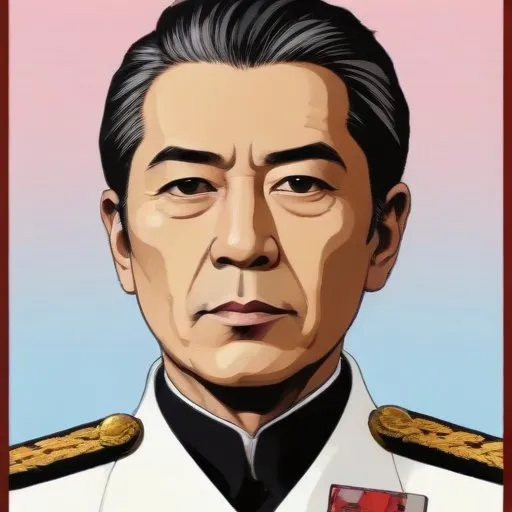
Kantarō Suzuki

Kantarō Suzuki

Kantarō Suzuki was born on January 18th, 1868

Full Name: Kantarō Suzuki
Nationality: Japanese
Profession: Admiral
Occupation: Politician
Known For: 42nd Prime Minister of Japan
Country: Japan
Notable: Japanese Admiral
Government Position: Prime Minister

A Japanese admiral-turned-politician who served as Prime Minister of Japan, known for his efforts to modernize the country's military and economy. He played a key role in Japan's early 20th-century development.

Written by: Aisha Patel Aisha Patel

Kantar Suzuki: The Admiral Who Steered Japan's Naval Course

A Legacy of Naval Innovation and Political Ambition

Kantar Suzuki, a Japanese admiral, and politician, left an indelible mark on Japan's history, both on the high seas and in the corridors of power. As the Prime Minister of Japan from April to August 1945, Suzuki's leadership navigated the country through the tumultuous final months of World War II.

Early Life and Naval Career

Born on January 18, 1868, in Izumi Province (present-day Sakai, Osaka), Suzuki was the first son of local governor Suzuki Yoshinori. Growing up in Sekiyado, Shimosa Province (present-day Noda, Chiba Prefecture), Suzuki's early life laid the foundation for his future naval career.

In 1884, Suzuki entered the 14th class of the Imperial Japanese Naval Academy, graduating 13th of 45 cadets in 1887. His naval career spanned over five decades, with notable postings on various vessels, including corvettes, cruisers, and ironclads. Suzuki's expertise in torpedo warfare earned him recognition as a leading authority in the Imperial Japanese Navy.

Rise to Prominence: War and Politics

Suzuki's participation in the First Sino-Japanese War and the Russo-Japanese War showcased his combat prowess and strategic acumen. As the commander of Destroyer Division 2, he played a crucial role in the Battle of Port Arthur, and later, as executive officer of the cruiser Kasuga, he fought in the Battle of the Yellow Sea.

After the wars, Suzuki transitioned to politics, becoming a key figure in the Imperial Rule Assistance Association. His prime ministerial tenure, though brief, had significant implications for Japan's wartime policies and its eventual surrender.

Philosophical Contributions and Beliefs

Suzuki's leadership was guided by a strong sense of duty, discipline, and national pride. His naval career instilled in him a deep respect for authority and tradition, which he carried over into his political endeavors. Suzuki believed in the importance of modernizing Japan's military and infrastructure, while maintaining its cultural heritage.

Personal Milestones and Key Life Events

Influence on Modern Society

Suzuki's legacy extends beyond his military and political accomplishments. He played a crucial role in shaping Japan's modernization, industrialization, and militarization. His leadership during World War II had significant implications for Japan's foreign policy and its relationships with other nations.

Quotes and Memorable Sayings

"A nation's strength lies not in its military might, but in the hearts of its people."

Historical Context and Legacy

Suzuki's life and career unfolded against the backdrop of Japan's rapid modernization and imperial expansion. His legacy serves as a testament to Japan's complex and often tumultuous journey from the Meiji period to the post-war era. As a naval innovator, politician, and prime minister, Suzuki's contributions continue to influence Japan's development and its place in the world.

Visual Timeline and Milestones

Year Event
1868 Born in Izumi Province (present-day Sakai, Osaka)
1884 Entered the Imperial Japanese Naval Academy
1887 Graduated from the Imperial Japanese Naval Academy
1895 Participated in the First Sino-Japanese War
1904 Participated in the Russo-Japanese War
1945 Became Prime Minister of Japan
1948 Died at the age of 80
By delving into the life and career of Kantar Suzuki, we gain insight into Japan's complex and multifaceted history, as well as the individuals who shaped its course. Suzuki's remarkable journey serves as a testament to the power of leadership, innovation, and dedication to one's nation.
Kantarō Suzuki

Kantarō Suzuki Quiz

Kantar? Suzuki's efforts to modernize Japan's military and economy were primarily focused on which aspect?

Score: 0/5
FAQ
What was Kantarō Suzukis role in World War II?
Kantarō Suzuki served as the 42nd Prime Minister of Japan from April to August 1945, playing a crucial role in Japans surrender to the Allied Powers.
How did Kantarō Suzuki contribute to Japans post-war reconstruction?
After the war, Suzuki worked to rebuild Japan, focusing on economic recovery and promoting democratic reforms.
What was Kantarō Suzukis career in the Imperial Japanese Navy?
Suzuki had a distinguished naval career, rising to the rank of admiral and serving as Navy Minister from 1929 to 1932.
How did Kantarō Suzuki navigate Japans complex political landscape?
Suzuki navigated the complex world of Japanese politics, working with various factions and leaders to promote national unity and stability.
What is Kantarō Suzukis legacy in Japanese history?
Suzukis leadership during World War II and his role in Japans post-war reconstruction have made him a significant figure in Japanese history, remembered for his pragmatism and commitment to national recovery.

Related People:

Kantarō Suzuki

Born in 1868

A Japanese admiral-turned-politician who served as Prime Minister of Japan, known for his efforts to modernize the country's military and economy. He played a key role in Japan's early 20th-century development.

Fumimaro Konoe

Born in 1891

A Japanese politician who served as Prime Minister during World War II, known for his role in leading Japan into the war and his attempts to negotiate a peace settlement. He is also infamous for his involvement in the Nanjing Massacre.

Tōgō Heihachirō

Born in 1848

A Japanese admiral who led the Imperial Japanese Navy to several victories during the Russo-Japanese War, including the Battle of Tsushima, which cemented Japan's rise as a naval power. He's known for his innovative tactics and strategies that revolutionized naval warfare.