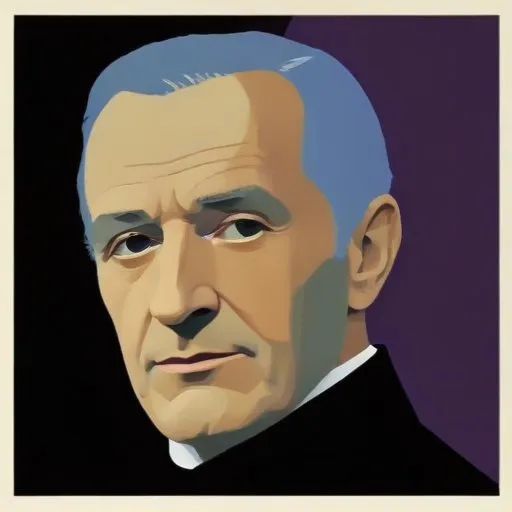
Karel Husa: The Maestro of Modern Classical Music
A Legacy of Innovation and Excellence
Karel Husa, a Czech-born classical composer and conductor, is renowned for his profound impact on the world of classical music. Winner of the 1969 Pulitzer Prize for Music and the 1993 University of Louisville Grawemeyer Award for Music Composition, Husa's contributions to the genre are unparalleled.
Early Life and Training
Born on August 7, 1921, in Prague, Czechoslovakia, Husa's fascination with music began at a tender age. He learned to play the violin and piano in early childhood, laying the foundation for his future success. After completing his high school education, Husa enrolled in the Prague Conservatory in 1941, where he studied composition with Jaroslav Řídký and conducting with Metod Doležil and Pavel Dědek.
Parisian Pursuits
Following the end of World War II, Husa continued his composition and conducting studies in Paris, where he was mentored by
Arthur Honegger and
Nadia Boulanger. He also studied conducting at the École Normale de Musique de Paris and the Conservatoire de Paris, under the guidance of
Jean Fournet, Eugène Bigot, and André Cluytens.
International Acclaim
Husa's String Quartet No. 1, premiered in 1950, catapulted him to international fame, earning him the Lili Boulanger Award and the Bilthoven Festival Prize. This recognition led to performances at prestigious festivals and concerts worldwide, including the International Society for Contemporary Music in Brussels, Salzburg Festival, Darmstadt Festival, and concerts in Germany, France, Sweden, England, Switzerland, Australia, and the United States.
A Prodigious Output
During his time in Paris, Husa composed an impressive array of works, including:
- Divertimento for String Orchestra
- Concertino for Piano and Orchestra
- Vocations de Slovaquie
- Musique d'amateurs
- Portrait for String Orchestra
- First Symphony
- First Sonata for Piano
- Second String Quartet
A Life of Dual Pursuits
Throughout his career, Husa expertly balanced composing and conducting, leading ensembles such as the Rochester Philharmonic Orchestra and the Cornish College of the Arts Orchestra.
Awards and Honors
Husa's remarkable contributions to classical music have been recognized with numerous awards and honors, including:
- 1969 Pulitzer Prize for Music
- 1993 University of Louisville Grawemeyer Award for Music Composition
- Lili Boulanger Award
- Bilthoven Festival Prize
A Lasting Legacy
Karel Husa's legacy extends far beyond his impressive body of work. He has inspired generations of composers, conductors, and musicians, leaving an indelible mark on the world of classical music. As a testament to his enduring influence, his music continues to be performed and celebrated around the world.
FAQ
What is Karel Husas notable work in classical music?
Karel Husas notable work in classical music includes his symphonies, concertos, and chamber music, which showcase his mastery of modern classical composition.
How did Karel Husas Czech heritage influence his music?
Karel Husas Czech heritage had a significant impact on his music, which often reflected the cultural and folk traditions of his native country.
What awards did Karel Husa receive for his music?
Karel Husa received several awards for his music, including the Pulitzer Prize for Music and the Grawemeyer Award for Music Composition.
How did Karel Husas work influence American classical music?
Karel Husas work had a significant influence on American classical music, contributing to the development of modern classical composition and inspiring a new generation of composers.
What is Karel Husas legacy in the music world?
Karel Husas legacy in the music world is that of a renowned composer who bridged the gap between European modernism and American classical music.