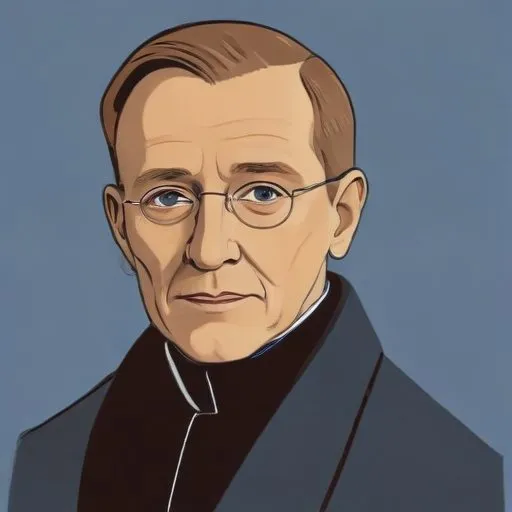
Karl Leichter: The Estonian Musicologist Who Shaped the Nation's Musical Heritage
A Pioneer in Musicology and Education
Karl Leichter was a renowned Estonian musicologist, known for his tireless efforts to establish and promote musical education and research in Estonia, particularly during the tumultuous periods of World War II and the Soviet occupation. As a prominent figure in Estonia's musical landscape, Leichter dedicated his life to preserving and advancing the country's rich cultural heritage.
Early Life and Education
Born on October 13, 1902, in Nõpi, Rakvere Parish, Leichter pursued his passion for music at the Tartu University, where he graduated in 1929 with a degree in theory and composition. During his studies, he was fortunate to be mentored by the esteemed Heino Eller, and he was part of a talented group of pupils that included
Eduard Tubin,
Alfred Karindi,
Eduard Oja, and Olav Roots.
Contributions to Musicology and Education
Between 1929 and 1931, Leichter worked at the Estonian Folklore Archives, where he developed a deep understanding of the country's folk music traditions. After World War II, he played a crucial role in reestablishing musicological research and education in Estonia. Despite facing significant challenges and setbacks, including being briefly deposed as the dean of the Tallinn State Conservatory due to political reasons, Leichter persevered and eventually became the Chair of the Department of Composition and Musicology.
International Connections and Legacy
Leichter's influence extended beyond Estonia's borders, as he worked in Stockholm and Helsinki, fostering connections with prominent musicians and musicologists from around the world. His vast archive of correspondence with these notable figures was donated to the Estonian Museum of Theatre and Music by his widow in the 1990s, providing a valuable resource for future generations of music scholars.
Personal Milestones and Recognition
The Eduard Tubin Museum of Alatskivi Castle, which showcases exhibits related to Leichter and his fellow students from the Tartu school, is a testament to his enduring legacy. Leichter's dedication to musicology and education has inspired countless individuals, and his work continues to shape Estonia's musical identity.
Quotes and Memorable Sayings
Although there are no direct quotes attributed to Karl Leichter, his life's work speaks volumes about his passion for music and his commitment to preserving Estonia's cultural heritage.
Trivia and Fun Facts
- Karl Leichter's birthday, October 13, is celebrated as the Estonian Music Day.
- He was one of the first musicologists to extensively research and document Estonia's folk music traditions.
Impact on Estonian Music and Culture
Karl Leichter's contributions to musicology and education have had a profound impact on Estonia's cultural landscape. His tireless efforts to promote musical education and research have inspired generations of Estonian musicians and musicologists, ensuring the country's rich cultural heritage continues to thrive.
FAQ
What was Karl Leichters area of expertise?
Karl Leichter was an Estonian musicologist and academic who specialized in the study of Estonian folk music and music theory.
What contributions did Karl Leichter make to musicology?
Leichter made significant contributions to the field of musicology, including the development of new methods for analyzing folk music and the establishment of the Estonian Music Museum.
Did Karl Leichter have any notable publications?
Yes, Leichter published several books and articles on musicology, including Estonian Folk Music and The Theory of Music.
What was Karl Leichters role in Estonian musical life?
Leichter played a crucial role in promoting Estonian music and culture, serving as a professor at the Tallinn Conservatory and directing the Estonian Philharmonic Society.
What legacy did Karl Leichter leave behind?
Leichters legacy lies in his contributions to musicology, particularly in the study of Estonian folk music. His work continues to influence music scholars and enthusiasts today.