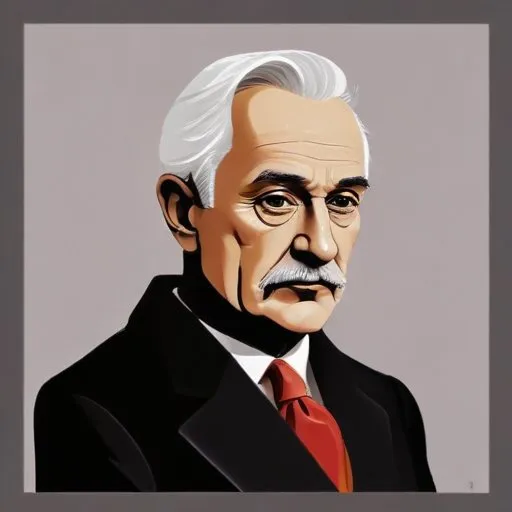
Lajos Zilahy: The Hungarian Novelist and Playwright Who Brought War to Life
A Bestselling Author Born from Adversity
Lajos Zilahy is renowned for his gripping novels and plays that depict the harsh realities of war, tumultuous relationships, and the human condition. His experiences as a soldier in World War I and his fervent passion for storytelling catapulted him to literary stardom, earning him the reputation as one of Hungary's most celebrated authors.
Early Life and Education
Born on March 27, 1891, in Nagyszalonta, Austria-Hungary (now Salonta, Romania), Zilahy studied law at the University of Budapest. However, it was his time in the Austro-Hungarian army during World War I that profoundly impacted his writing. Wounded on the Eastern Front, Zilahy drew inspiration from his experiences, which later shaped his bestselling novel,
Two Prisoners (
Két fogoly).
A Prolific Career in Literature and Film
Zilahy's literary prowess extended to both novels and plays. His 1928 novel,
Something Is Drifting on the Water (
Valamit visz a víz), was adapted into two films. His play,
The General, was filmed twice, in 1930 and 1931, under the titles
The Virtuous Sin and
The Rebel, respectively. Zilahy's involvement in film also led him to edit the art periodical,
Híd, from 1940 to 1944.
Unwavering Commitment to Peace and Education
In the early 1940s, Zilahy demonstrated his commitment to world peace by donating all his assets to the government treasury. This selfless act led to the establishment of the
Kitnek Iskolája, an educational institution dedicated to promoting peace. Zilahy's screenplay,
Something Is in the Water, was filmed in 1943, and he codirected it with Gusztáv Oláh.
Standing Against Oppression
Throughout his life, Zilahy opposed both fascism and communism. In 1944, his play,
Fatornyok (
Wooden Towers), was banned. His liberal views led to conflicts with the right-wing Horthy regime and later with the post-war Communist government. In 1947, Zilahy left Hungary and spent the rest of his life in exile in the United States.
Literary Legacy
As the Secretary General of Hungarian PEN, Zilahy's literary contributions left an indelible mark on Hungarian literature. His trilogy of novels,
A Dukay család, comprising
Century in Scarlet,
The Dukays, and
The Angry Angel, chronicles the history of a fictitious Hungarian family. This beloved trilogy cemented Zilahy's status as a master storyteller and social commentator.
Remembering a Life of Courage and Creativity
Lajos Zilahy's life was a testament to his unyielding passion for storytelling, education, and peace. Through his works, he brought the brutal realities of war to life, influenced generations of writers, and left behind a legacy that continues to inspire and educate. Zilahy's remarkable journey serves as a beacon of hope, encouraging us to stand against oppression and to strive for a more peaceful world.
FAQ
What are some of Lajos Zilahys most famous works?
Lajos Zilahy was a prolific Hungarian novelist and playwright, and some of his most famous works include The Dukays, The Angevin Notaries, and The Béarnois. His works often explored themes of Hungarian history and identity.
What role did Lajos Zilahy play in Hungarian literature?
Lajos Zilahy was a prominent figure in Hungarian literature, known for his innovative style and exploration of Hungarian culture and history. He was also a key figure in the Hungarian avant-garde movement.
What awards did Lajos Zilahy receive for his writing?
Lajos Zilahy received several awards for his writing, including the Hungarian State Prize and the Kossuth Prize. He was also nominated for the Nobel Prize in Literature in 1947.
What is Lajos Zilahys legacy in Hungarian literature?
Lajos Zilahys legacy in Hungarian literature is that of a pioneering writer who helped to shape the countrys literary identity. His works continue to be widely read and studied in Hungary and beyond.
How did Lajos Zilahys work reflect the turbulent times in which he lived?
Lajos Zilahys work often reflected the turbulent times in which he lived, including the rise of fascism and the outbreak of World War II. His writing often explored themes of war, politics, and social change.