


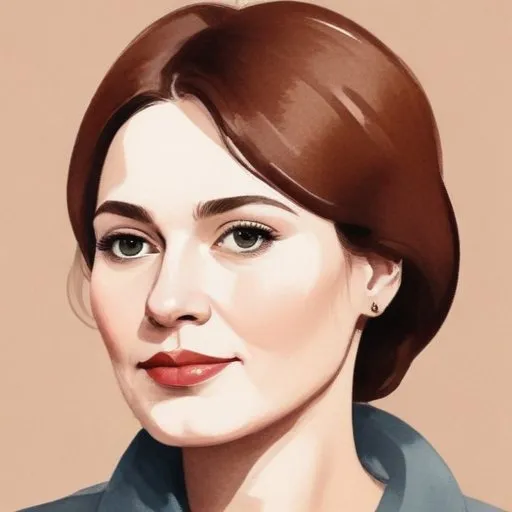
A pioneering linguist and human rights activist who fought for freedom of speech and civil liberties in Soviet Russia, known for her courageous dissent and advocacy for political prisoners.
Larisa Bogoraz, a renowned Soviet dissident, human rights activist, and linguist, is best known for her fearless protests against the Soviet regime, particularly her courageous stand against the invasion of Czechoslovakia in 1968. Her unwavering commitment to democracy and free speech earned her a reputation as a stalwart defender of human rights.
Born on August 8, 1929, in Kharkiv, Ukrainian SSR, to a family of Communist Party bureaucrats, Bogoraz graduated as a linguist from the University of Kharkiv in 1950. Her marriage to writer Yuli Daniel in 1950 marked the beginning of her involvement in activism, which would shape the course of her life.
The 1965 trial of her husband, Yuli Daniel, and Andrei Sinyavsky, who were arrested for publishing works abroad under pseudonyms, galvanized Bogoraz into action. Despite the risks, she wrote a letter to General Secretary Leonid Brezhnev protesting the detention of her husband and friend. This bold move catapulted her to the forefront of the Soviet dissident movement.
On August 25, 1968, Bogoraz organized a historic protest in Red Square against the Soviet Union's invasion of Czechoslovakia. Alongside six other brave individuals, including Pavel Litvinov and Natalya Gorbanevskaya, she defied the authorities, risking imprisonment and exile. The protest, though short-lived, sent shockwaves throughout the Soviet Union and earned Bogoraz international recognition as a champion of human rights.
Bogoraz was arrested, tried, and sentenced to four years of exile in Siberia, where she spent her time working in a woodworking plant. During her exile, her marriage to Daniel dissolved, but her commitment to the cause remained unwavering. Upon her release, Bogoraz resumed her activism, signing numerous public appeals to the authorities and continuing to challenge the Soviet regime.
Larisa Bogoraz's unwavering dedication to human rights and democracy has left an indelible mark on modern Soviet history. Her courage in the face of oppression inspired a generation of dissidents and human rights activists, cementing her place as a beacon of hope in the struggle for freedom and democracy.
Born in 1921
A Soviet physicist and dissident who advocated for human rights and nuclear disarmament, earning a Nobel Peace Prize in 1975. He's known for his courageous stance against the Soviet regime, promoting peace and democracy.
Born in 1923
A prominent human rights activist in the Soviet Union, she fought for democracy and exposed government abuses, earning her the Nobel Peace Prize in 1975.
83 Years Old
A Soviet-era dissident and writer who exposed the atrocities of the Soviet psychiatric system, and advocated for human rights and democracy.
