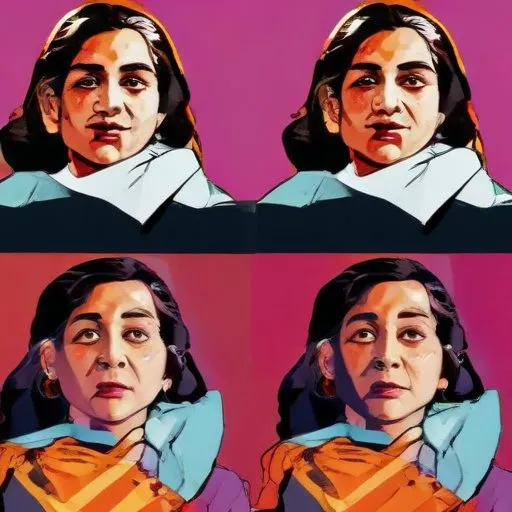
Leela Roy Nag: The Trailblazing Reformer and Politician
A Pioneer in Women's Education and Social Work
Leela Roy Nag, a stalwart of Indian politics and social reform, is renowned for her unwavering efforts to empower women and marginalized communities. As a close associate of Netaji Subhash Chandra Bose, she played a pivotal role in India's struggle for independence, leaving an indelible mark on the country's history.
Early Life and Education
Born on October 2, 1900, in Goalpara, Assam, Leela Roy Nag was raised in an upper-middle-class Bengali Kayastha family. Her father, Girish Chandra Nag, a deputy magistrate, was also the tutor of
Subhas Chandra Bose. She was an exemplary student, earning the Padmabati Gold Medal and a cash prize of Rs. 100 for standing first among the girls in her batch at Bethune College, Calcutta.
Pioneering Achievements
- First female student of Dhaka University, where she earned her M.A. degree, paving the way for coeducation.
- Founded the second girls' school in Dhaka, dedicated to empowering young women through education and vocational training.
- Published Jayasree, the first magazine edited, managed, and wholly contributed by women writers, receiving blessings from luminaries like Rabindranath Tagore.
Social Work and Humanitarian Efforts
Leela Roy Nag's commitment to social work and education for girls was unparalleled. She:
- Contacted Netaji Subhas Chandra Bose during the 1921 Bengal floods, forming the Dhaka Women's Committee to raise donations and relief goods.
- Emphasized the importance of girls learning martial arts to defend themselves.
- Established several schools and institutes for women, fostering a culture of empowerment and self-reliance.
Political Activism and Legacy
In December 1923, Leela Roy Nag formed the Deepali Sangha, a rebellion organization dedicated to India's independence struggle. Her contributions to the country's freedom movement, alongside her pioneering work in women's education and social reform, have left an enduring legacy.
Personal Milestones and Key Life Events
* 1917: Graduated from Bethune College, Calcutta, with a gold medal and cash prize.
* 1921: Participated in relief efforts during the Bengal floods, making contact with Netaji Subhas Chandra Bose.
* 1923: Founded the Deepali Sangha, a rebellion organization.
* 1931: Launched
Jayasree, the first magazine edited, managed, and wholly contributed by women writers.
Influence on Modern Society
Leela Roy Nag's tireless efforts have inspired generations of women to strive for education, empowerment, and social change. Her legacy continues to resonate in modern India, where her contributions to women's education, social work, and political activism remain unparalleled.
FAQ
What was Leela Roy Nags role in the Indian independence movement?
Leela Roy Nag was a prominent Indian freedom fighter who participated in the Quit India Movement and was imprisoned for her activism. She was a strong advocate for womens rights and education, and worked closely with other notable freedom fighters like Mahatma Gandhi.
What social reforms did Leela Roy Nag champion?
Leela Roy Nag was a pioneer in social reform, fighting against child marriage, dowry systems, and advocating for womens education and empowerment. She also worked to improve the lives of marginalized communities, including dalits and tribals.
What political parties was Leela Roy Nag affiliated with?
Leela Roy Nag was a member of the Indian National Congress and later joined the Socialist Party, advocating for democratic socialism and social justice.
What was Leela Roy Nags stance on womens rights in India?
Leela Roy Nag was a fierce advocate for womens rights, believing that womens empowerment was essential for Indias independence and development. She worked tirelessly to promote womens education, employment, and political participation.
What is Leela Roy Nags legacy in Indian history?
Leela Roy Nags legacy is that of a courageous and dedicated freedom fighter, social reformer, and politician who inspired generations of Indian women to participate in the countrys struggle for independence and social change.