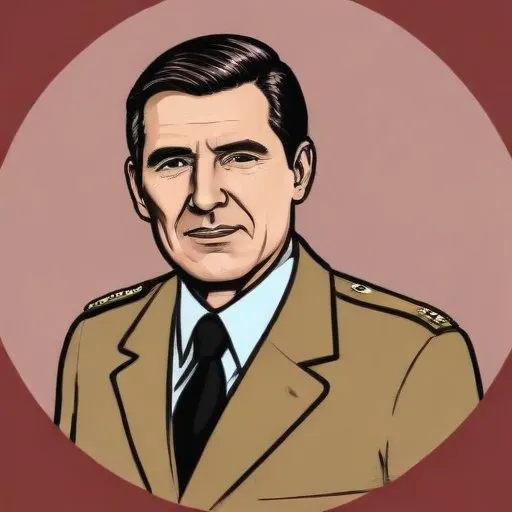
Leslie Morshead: The Unyielding Commander of Australian Forces
Leading the Charge in World War II
Leslie Morshead is best known for his unwavering leadership and strategic prowess during World War II, where he commanded Australian and British troops to decisive victories over
Erwin Rommel's Afrika Korps at the Siege of Tobruk and the Second Battle of El Alamein. His soldiers affectionately nicknamed him "Ming the Merciless," later simply "Ming," after the villain in the Flash Gordon comics, a testament to his unyielding determination and commanding presence.
Early Life and Military Career
Born on September 18, 1889, in Ballarat, Victoria, Morshead was the sixth of seven children to William Morshead, a gold miner, and Mary Eliza Morshead. He began his military career in 1914, enlisting as a private in the 2nd Infantry Battalion of the First Australian Imperial Force during World War I. Commissioned as a lieutenant in September, he landed at Anzac Cove, Gallipoli on April 25, 1915, and made the farthest advance of any Australian unit that day.
Interwar Period and Business Career
Between the wars, Morshead pursued a successful business career with the Orient Steam Navigation Company, while remaining active in the part-time Militia, commanding battalions and brigades. This dual pursuit of military and business acumen would serve him well in his future endeavors.
World War II and the Siege of Tobruk
In 1939, Morshead was appointed to command the 18th Infantry Brigade of the 6th Division in the Second Australian Imperial Force. In 1941, he became commander of the 9th Division, leading his troops to a heroic defense of Tobruk against Rommel's Afrika Korps. The Siege of Tobruk, which lasted from April 10 to December 27, 1941, was a crucial Allied victory, and Morshead's leadership played a significant role in its success.
The Second Battle of El Alamein
Morshead's most significant achievement came at the Second Battle of El Alamein, fought from October 23 to November 5, 1942. His 9th Division, along with British and New Zealand forces, defeated the German-Italian army, marking a turning point in the North African campaign. This decisive victory earned Morshead and his troops a reputation as formidable opponents.
Later Career and Legacy
After the war, Morshead returned to Australia, where he was appointed to command II Corps during the New Guinea campaign. In 1945, he commanded I Corps in the Borneo campaign. His military career spanned both world wars, cementing his legacy as one of Australia's most revered military leaders.
Awards and Honors
Morshead's outstanding leadership and service were recognized with numerous awards and honors, including:
- Knight Commander of the Order of the Bath (KCB)
- Knight Commander of the Order of the British Empire (KBE)
- Distinguished Service Order (DSO)
- Mentioned in Despatches (four times)
Personal Life and Later Years
Morshead passed away on September 26, 1959, leaving behind a legacy of courage, determination, and unwavering commitment to his country and fellow soldiers. His remarkable military career serves as a testament to the enduring spirit of Australian military leaders.
Legacy in Modern Society
Morshead's contributions to Australian military history continue to inspire and influence modern society. His leadership and strategic expertise serve as a model for aspiring military leaders, while his unwavering dedication to his country and troops remains an enduring symbol of Australian valor.
FAQ
What was Leslie Morsheads military career like during World War II?
Leslie Morshead was a distinguished Australian general during World War II, serving in North Africa, Greece, and the Pacific. He played a crucial role in the Battle of El Alamein and was known for his bravery and strategic leadership.
How did Leslie Morsheads military service shape his post-war career?
After the war, Morshead transitioned to a successful business career, leveraging his leadership skills to become a prominent figure in the Australian business community.
What was Leslie Morsheads role in education and youth development?
Morshead was a strong advocate for education and youth development, serving as the Chairman of the Australian Broadcasting Commission and playing a key role in the establishment of the Australian Institute of Aboriginal Studies.
How did Leslie Morsheads experiences shape his views on Australian identity?
Morsheads wartime experiences and post-war career instilled in him a strong sense of Australian identity and nationalism, which he advocated for throughout his life.
What is Leslie Morsheads lasting impact on Australian society?
Leslie Morsheads military service, business acumen, and commitment to education and youth development have left a lasting impact on Australian society, inspiring future generations of leaders and citizens.