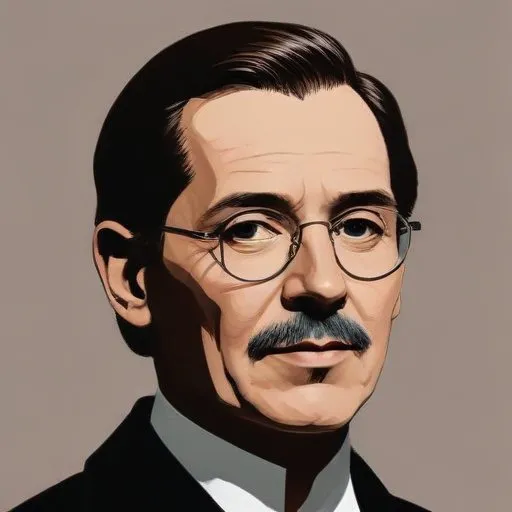
Lewis Thomas: A Renaissance Man of Medicine, Literature, and Culture
A Pioneering Voice in Science and Art
Lewis Thomas was a distinguished American physician, poet, etymologist, essayist, administrator, educator, policy advisor, and researcher, known for his profound contributions to the world of medicine, literature, and culture. Through his prolific writing, he bridged the gap between science and art, earning him a unique place in the annals of intellectual history.
Early Life and Education
Born on November 25, 1913, in Flushing, New York, Thomas attended Princeton University and Harvard Medical School, setting the stage for a lifelong pursuit of knowledge and innovation.
A Career of Distinction
Thomas's illustrious career spanned several prominent institutions, including Yale Medical School, New York University School of Medicine, and Memorial Sloan-Kettering Institute, where he served as Dean and President, respectively. His research and administrative endeavors were punctuated by his passion for writing, which led to his appointment as a regular essayist for the
New England Journal of Medicine.
Literary Triumphs
Thomas's essay collections, including
The Lives of a Cell: Notes of a Biology Watcher (1974),
The Medusa and the Snail, and
Late Night Thoughts on Listening to Mahler's Ninth Symphony, showcased his remarkable ability to weave together science, philosophy, and culture. His writing style, characterized by eloquence, wit, and erudition, earned him numerous accolades, including the National Book Award in two categories (Arts and Letters and The Sciences) for
The Lives of a Cell, as well as a Christopher Award.
Intersections of Science and Culture
Thomas's work often explored the confluence of scientific discoveries and their cultural implications. In his essay on Mahler's Ninth Symphony, he ruminated on the anxieties spawned by the development of nuclear weapons. Through his writing, he demonstrated a profound understanding of the intricate relationships between ideas, concepts, and etymology, inspiring a new generation of thinkers and writers.
Philosophical Contributions and Beliefs
Thomas's philosophical musings often centered on the human condition, the natural world, and the intricate web of relationships that binds us. His work embodied a deep respect for the interconnectedness of knowledge and experience, reflecting his conviction that science and art are not mutually exclusive, but rather complementary aspects of human understanding.
Awards and Honors
Thomas's achievements were recognized by numerous esteemed institutions, including the American Academy of Arts and Sciences (1961), the United States National Academy of Sciences (1972), and the American Philosophical Society (1976). The Lewis Thomas Prize, established in his honor, continues to recognize outstanding contributions to science writing.
Legacy and Impact
Lewis Thomas's life and work serve as a testament to the power of interdisciplinary thinking, creative expression, and intellectual curiosity. His writing, infused with a sense of wonder, awe, and humanity, has inspired generations of scientists, writers, and thinkers, cementing his legacy as a true Renaissance man.
- Et Cetera, Et Cetera, a collection of poems and etymological explorations
- The Youngest Science: Notes of a Medicine Watcher, an autobiography chronicling a century of medicine and its transformations
- Member of the American Academy of Arts and Sciences, the United States National Academy of Sciences, and the American Philosophical Society
Thomas's remarkable life serves as a powerful reminder of the boundless potential that arises from the confluence of art, science, and culture. His work continues to inspire, educate, and delight, ensuring a lasting legacy that transcends the boundaries of time and discipline.