


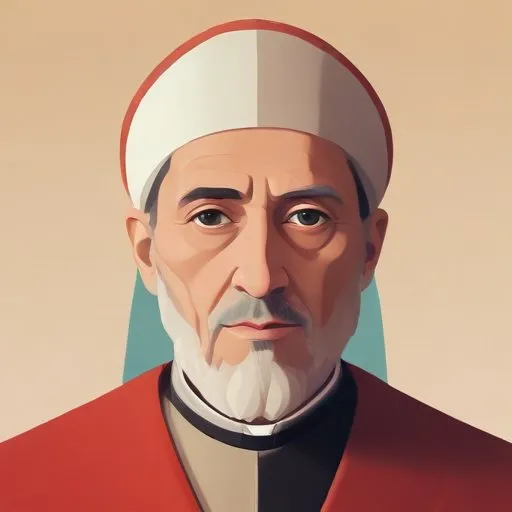
The 18th Superior General of the Society of Jesus led the Jesuit order during a tumultuous period, navigating conflicts with European monarchs and the Catholic Church. He's known for his efforts to reform the order and maintain its independence.
Lorenzo Ricci, an Italian Jesuit, is renowned for being the eighteenth and last Superior General of the Society of Jesus before its suppression in 1773. Born on August 2, 1703, in Florence, Italy, Ricci played a pivotal role in shaping the Society's trajectory during a tumultuous period in European history.
Ricci's preference for spiritual work led him to become a spiritual director at the Roman College from 1751 to 1755. During this period, he developed a unique approach to guided retreats based on the Spiritual Exercises of Ignatius of Loyola. This experience prepared him for his future role as Superior General.
In 1755, Ricci was chosen as the secretary of the Society, and three years later, at the 19th General Congregation, he was elected Superior General. This election was met with reservations by some, including Guilio Cordara, who doubted Ricci's ability to navigate the Society through the treacherous waters of the Catholic Bourbon royal courts.
Four months after Ricci's election, an attempt was made on the life of King Joseph I of Portugal, leading to a crisis that would eventually contribute to the suppression of the Jesuits. Prime Minister Carvalho accused the Jesuit Gabriel Malagrida of involvement in the plot, and despite being declared guilty of high treason, Malagrida was executed for heresy.
Ricci's tenure as Superior General was marked by turmoil, but his commitment to the Society's mission remained unwavering. Despite the challenges he faced, he continued to promote the Spiritual Exercises, and his approach to guided retreats left a lasting impact on the Society's spiritual practices.
Ricci's legacy serves as a testament to the enduring spirit of the Society of Jesus, and his story continues to inspire generations of Jesuits and spiritual seekers alike.
Born in 1652
The 18th-century Pope who banned Freemasonry and reformed the Roman Curia, leaving a lasting impact on the Catholic Church's governance and relations with secret societies.
Born in 1504
Leader of the Catholic Church during the Counter-Reformation, he excommunicated Queen Elizabeth I and played a key role in the Council of Trent.
Born in 1876
The leader of the Catholic Church from 1939 to 1958, known for his controversial role during World War II, particularly in regards to the Holocaust. He is also remembered for his encyclicals on social justice and liturgical reforms.
Born in 1506
Co-founder of the Society of Jesus, a Catholic religious order, known for his missionary work in Asia, especially in India and Japan, and for his role in the Counter-Reformation. He's revered for his tireless efforts to spread Christianity and his compassion for the poor and marginalized.
Born in 1521
A 16th-century Jesuit priest and doctor of the church, he played a crucial role in counter-reformation efforts, and his writings helped shape Catholic theology.
Born in 1542
A 16th-century theologian and doctor of the Church, known for his writings on spirituality and his role in shaping Catholic doctrine. He was a key figure in the Counter-Reformation, defending Catholicism against Protestantism.
Born in 1568
This 16th-century Jesuit saint is revered for his selfless devotion to caring for plague victims, ultimately sacrificing his life to save others. He's a powerful symbol of compassion and charity.
Born in 1550
A 16th-century Jesuit novice who died at 18, known for his strong devotion and miraculous healings, becoming a patron saint of youth and Poland.
