


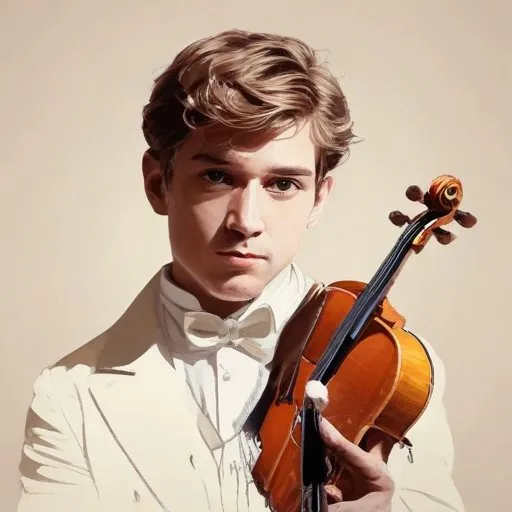
Ludwig Minkus, also known as Léon Fyodorovich Minkus, was a renowned Austrian composer of ballet music, violinist, and teacher of music. He is best known for his iconic scores for some of the most celebrated ballets of all time, including La Source, Don Quixote, and La Bayadère.
Born Aloysius Bernhard Philipp Minkus on March 23, 1826, in Vienna, Austria, Minkus was of Jewish descent. His parents, Theodor Johann Minkus and Maria Franziska Heimann, converted to Catholicism before relocating to Vienna. Minkus's father was a wholesale merchant of wine and eventually opened a restaurant in Vienna, featuring a dance orchestra.
Minkus began receiving private violin lessons at the age of four and continued his musical education from 1838 to 1842. He went on to become a violinist and teacher of music, laying the foundation for his future success as a composer.
In 1871, Minkus was appointed Composer of Ballet Music to the St. Petersburg Imperial Theatres, a position he held until 1886. During this period, he collaborated with prominent ballet masters, including Arthur Saint-Léon and Marius Petipa, to create some of the most beloved ballets of all time.
Minkus's score for La Source, composed jointly with Léo Delibes, premiered in 1866 and remains one of his most celebrated works. He also composed the iconic scores for Don Quixote (1869) and La Bayadère (1877), cementing his reputation as a master of ballet music.
Minkus's contributions to the world of ballet are immeasurable. His music continues to inspire new generations of dancers, choreographers, and audiences alike. His iconic scores have been performed by the world's leading ballet companies, including the Mariinsky Ballet and the Paris Opera Ballet.
In addition to his original compositions, Minkus also created additional music for older works, including the famous Grand Pas classique and Mazurka des enfants for Petipa's 1881 revival of Paquita.
Minkus retired from his position as Composer of Ballet Music in 1886, but continued to compose music until his death on December 7, 1917, in Vienna.
Throughout his life, Minkus was driven by his passion for music and his dedication to his craft. He remains one of the most beloved and respected composers of ballet music in history.
Born in 1803
A French Romantic-era composer and music critic, known for his operas and ballets, particularly the music for "Giselle", which remains a cornerstone of the classical ballet repertoire.
Born in 1842
A French Romantic composer, renowned for his operas, particularly "Manon" and "Werther", which showcased his mastery of lyricism and dramatic flair.
Born in 1818
A renowned dancer and choreographer who revolutionized classical ballet with iconic works like "The Sleeping Beauty" and "Swan Lake", shaping the art form for generations to come.
Born in 1819
Austrian composer and conductor renowned for his operettas, particularly "Light Cavalry" and "Poet and Peasant", which remain popular to this day.
Born in 1804
Austrian composer and conductor of waltzes, polkas, and other dance music, known for his lively and energetic compositions that helped popularize Viennese dance music.
Born in 1840
A renowned Russian composer and educator, he is best known for his iconic and beloved ballets, such as Swan Lake and The Nutcracker, which continue to enchant audiences worldwide.
