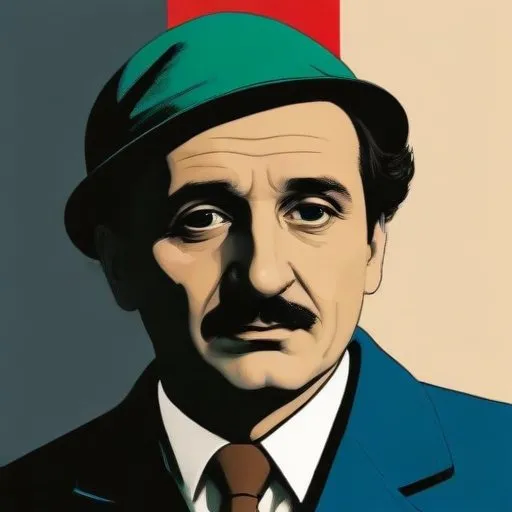
Luigi Pulci: The Poet of Florence
A Master of Epic Poetry and Satire
Luigi Pulci is renowned for his epic and parodistic poem,
Morgante, which tells the tale of a giant's conversion to Christianity and his subsequent adventures with the knight Orlando. This celebrated work, composed of 28 cantari chapters, showcases Pulci's unique blend of humor, satire, and literary skill.
A Diplomat and Poet of the Medici Court
Born on August 15, 1432, in Florence, Italy, Pulci was a member of a family of writers and intellectuals. His patrons, the powerful Medici family, particularly Lucrezia and Lorenzo Medici, recognized his talent and employed him as a diplomat, often sending him on diplomatic missions. However, Pulci's need for financial security led him to seek the service of Roberto Sanseverino d'Aragona, a northern condottiere, around 1470.
The Context of Morgante
The poem
Morgante was commissioned by
Lucrezia Tornabuoni, the mother of Lorenzo and Giuliano Medici, and was initially read at the Medici court. The work's popularity soared as it resonated with the Florentine public, who appreciated its comedic characters and irreverent humor. Pulci drew inspiration from the Carolingian epic tradition, as well as popular folk tales and characters, to create a unique and captivating narrative.
Language and Style
Pulci's writing style is notable for its use of the Florentine dialect, which extended from criminal argot to literary and scientific Latin. This distinctive language, far removed from the classicistic model proposed by Poliziano, allowed Pulci to express the essence of Florentine humor, bourgeois values, and free imagination.
Family Ties and Literary Legacy
Luigi Pulci's brother, Luca Pulci, was also a writer, and his works, written in Italian, include
Pistole,
Driadeo d'amore, and
Cyriffo Calvaneo. The Pulci brothers' contributions to Italian literature have left an indelible mark on the country's cultural heritage.
Influence and Legacy
Pulci's
Morgante has had a significant impact on Italian literature, influencing subsequent generations of writers and poets. His unique blend of satire, humor, and literary skill has made him a celebrated figure in the world of Renaissance poetry.
Personal Milestones and Key Life Events
- 1432: Born in Florence, Italy
- 1470: Sought the service of Roberto Sanseverino d'Aragona
- 1478: Wrote a poem dedicated to Lucrezia Tornabuoni, criticizing Pope Sixtus IV's Rome
- 1484: Passed away on November 11, leaving behind a rich literary legacy
Trivia and Fun Facts
- The Torre dei Pulci, a tower in Florence, was once the residence of the Pulci family.
- Luigi Pulci's poetry was often read aloud at the Medici court, entertaining the public with its witty humor and satire.
A Lasting Impact on Italian Literature
Luigi Pulci's remarkable achievements as a poet, diplomat, and satirist have left an enduring mark on Italian literature. His poetry continues to inspire and delight readers, offering a glimpse into the vibrant cultural landscape of 15th-century Florence.
FAQ
What is Luigi Pulcis role in Italian literature?
Luigi Pulci was an Italian poet who played a significant role in the development of the Italian Renaissance, and is known for his epic poem, Il Morgante.
What is Luigi Pulci known for?
Luigi Pulci is known for his innovative use of language, his mastery of the ottava rima form, and his exploration of themes such as chivalry, honor, and morality.
What is Il Morgante?
Il Morgante is an epic poem written by Luigi Pulci, which tells the story of a giant named Morgante and his adventures with the knight Orlando.
Is Luigi Pulci still studied today?
Yes, Luigi Pulci is still studied and celebrated today, with many scholars and readers appreciating his innovative style and his contributions to Italian literature.
What is Luigi Pulcis legacy?
Luigi Pulcis legacy is one of literary innovation, cultural influence, and a deep exploration of the human experience, and he remains an important figure in Italian literary history.