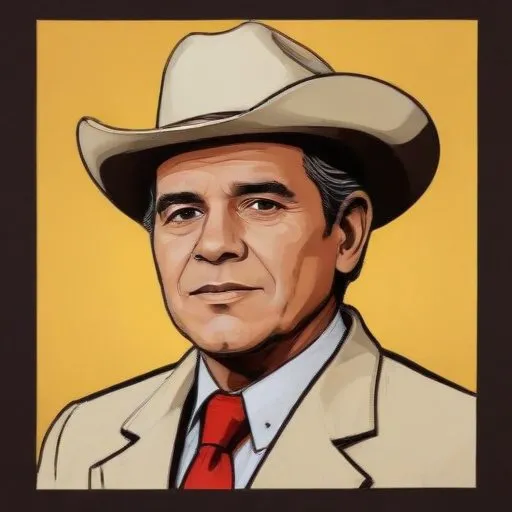
Luis Francisco Cullar: A Colombian Politician's Turbulent Life and Legacy
A Life of Public Service and Personal Sacrifice
Luis Francisco Cullar, a Colombian politician, is known for his unwavering dedication to public service, despite facing unimaginable challenges, including multiple kidnappings by the Revolutionary Armed Forces of Colombia (FARC). His tumultuous life was marked by a strong commitment to improving the lives of his constituents, ultimately leading to his tragic murder in 2009.
Early Life and Career
Born on December 22, 1940, in Timan, Huila, Colombia, Cullar was raised in a family of cattle ranchers. Before entering politics, he worked as a rancher himself, developing a strong connection with the agricultural community. In 1968, he married Imelda Galindo de Cullar, and the couple remained together until his death.
Rise to Prominence
Cullar's political career began in 1996, when he was elected Mayor of Morelia, a position he held until 1998. He later served as Deputy Governor of Caquetá from 2000 to 2003 and Governor of Caquetá from 2008 until his murder in 2009. During his tenure, he established the Cullar Public Health Laboratory in Florencia and introduced internationally made sports facilities for Caqueta schools.
Kidnappings and Resilience
Cullar's life was marred by four kidnappings by FARC between 1987 and 1999. The first kidnapping occurred in 1987, when rebels arrived at his farm and waited for him at the gate. He was released after a ransom was paid. In 1990, he was kidnapped along with his wife, but released after paying ransom. Two months later, his wife and brother were kidnapped, but released days later. Cullar's final kidnapping occurred in 1995, while he was serving as Mayor of Morelia, and he spent seven months in captivity.
Philosophical Contributions and Beliefs
Throughout his life, Cullar remained committed to improving the lives of his constituents, often putting their needs above his own. His Roman Catholic faith played a significant role in shaping his values and informing his decision-making process. As a member of the Indigenous Social Alliance Movement and the Colombian Peoples Party, he advocated for the rights of marginalized communities and worked to promote social justice.
Legacy and Impact on Modern Society
Cullar's unwavering dedication to public service, despite the numerous challenges he faced, serves as an inspiration to many. His contributions to the development of Caquetá and his commitment to improving healthcare and education have had a lasting impact on the region. His story is a testament to the power of resilience and the importance of standing up for what one believes in, even in the face of adversity.
Personal Milestones and Key Life Events
- December 22, 1940: Born in Timan, Huila, Colombia
- 1968: Married Imelda Galindo de Cullar
- 1996: Elected Mayor of Morelia
- 2000-2003: Served as Deputy Governor of Caquetá
- 2008-2009: Served as Governor of Caquetá
- December 22, 2009: Murdered by FARC rebels
Controversies and Public Perception
While Cullar's life was marked by tragedy and hardship, his commitment to public service and his people remains unchanged. His legacy serves as a beacon of hope for many Colombians, who continue to struggle with the effects of armed conflict and political instability.