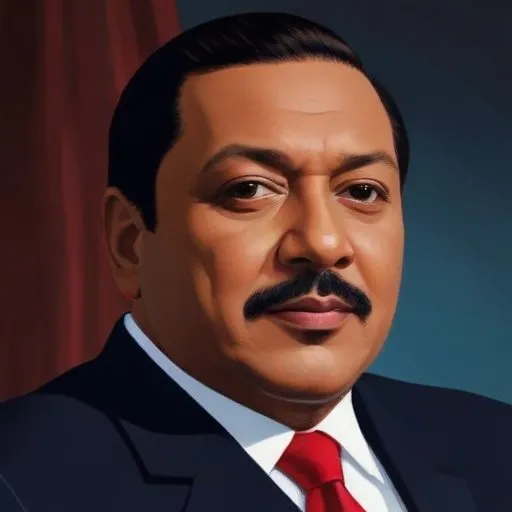
Mahinda Rajapaksa: The Controversial Sri Lankan Politician
A Political Legacy Marred by Controversy
Mahinda Rajapaksa is a Sri Lankan politician known for serving as the President of Sri Lanka from 2005 to 2015 and as the Prime Minister of Sri Lanka on three separate occasions. He is also known for his role in ending the Sri Lankan Civil War, but his legacy is marred by allegations of human rights abuses and corruption.
Early Life and Career
Born on November 18, 1945, in Weeraketiya, Sri Lanka, Rajapaksa studied law and was first elected to the Parliament of Sri Lanka in 1970. He rose through the ranks of the Sri Lanka Freedom Party and served as the Minister of Fisheries and Aquatic Resources from 1997 to 2001.
Rise to Power
Rajapaksa became the Leader of the Opposition in 2002 and was appointed as the Prime Minister of Sri Lanka in 2004. He was elected as the President of Sri Lanka in 2005 and re-elected in 2010. During his presidency, he implemented several infrastructure development projects and oversaw the end of the Sri Lankan Civil War in 2009.
Controversies and Allegations
Rajapaksa's presidency was marred by allegations of human rights abuses, corruption, and nepotism. He was accused of suppressing dissent and jailing political opponents. His family members, including his brothers Gotabaya and Basil, held powerful positions in the government, leading to accusations of nepotism.
Post-Presidency and Return to Power
Rajapaksa was defeated in the 2015 presidential election by Maithripala Sirisena, but he remained a powerful figure in Sri Lankan politics. He was appointed as the Prime Minister of Sri Lanka again in 2018, but his appointment was marred by controversy and was eventually suspended by the courts.
Personal Life
Rajapaksa has been married to Shiranthi Rajapaksa since 1983, and they have three sons, Namal, Yoshitha, and Rohitha. Namal Rajapaksa is a Member of Parliament and has been involved in politics since his early twenties.
Philosophical Contributions and Beliefs
Rajapaksa has been a strong advocate for Sinhalese nationalism and has been accused of promoting a Sinhalese-Buddhist supremacist agenda. He has also been critical of Western powers and has advocated for closer ties with China.
Legacy
Rajapaksa's legacy is complex and controversial. While he oversaw the end of the Sri Lankan Civil War and implemented several infrastructure development projects, he has also been accused of human rights abuses and corruption. His brand of Sinhalese nationalism has been criticized for promoting division and exclusivity.
- Quotes: "We will create a Sri Lanka where there is no backwardness, no poverty, and no fear."
- Awards and Honors: Rajapaksa has received several awards and honors, including the Sri Lankan honor of Sri Lankeshwara.
- Trivia: Rajapaksa was a member of the Sri Lankan Parliament for over 40 years.
FAQ
What was Mahinda Rajapaksas role in Sri Lankan politics?
Mahinda Rajapaksa served as the 6th President of Sri Lanka from 2005 to 2015, leading the country through a period of significant economic growth and infrastructure development.
How did Mahinda Rajapaksa address the Sri Lankan Civil War?
Mahinda Rajapaksa oversaw the final stages of the Sri Lankan Civil War, defeating the Liberation Tigers of Tamil Eelam (LTTE) and bringing an end to the conflict in 2009.
What were some of Mahinda Rajapaksas key policy initiatives?
Mahinda Rajapaksa implemented several major infrastructure projects, including the development of highways, ports, and airports, which contributed to Sri Lankas rapid economic growth during his presidency.
How did Mahinda Rajapaksas presidency impact Sri Lankas international relations?
Mahinda Rajapaksa maintained close relationships with China and India, securing significant investment and aid for Sri Lankas economic development, but also faced criticism for human rights abuses and authoritarianism.
What was Mahinda Rajapaksas stance on human rights and corruption?
Mahinda Rajapaksa faced allegations of human rights abuses and corruption during his presidency, which sparked international criticism and domestic unrest.