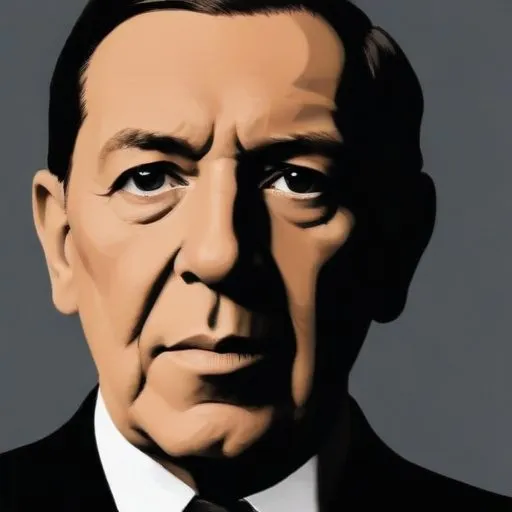
Malcolm Arnold: The Maestro of Melodic Masterpieces
A Legacy of Lively Rhythms and Unabashed Tunefulness
Malcolm Arnold, a renowned English composer, left an indelible mark on the world of music with his incredible body of work, spanning multiple genres and featuring a unique blend of lively rhythms, brilliant orchestration, and unforgettable melodies. With a career that encompasses nine symphonies, numerous concertos, chamber music, choral music, and scores for over a hundred films, including the iconic
The Bridge on the River Kwai, Arnold's contributions to the world of music are a testament to his boundless creativity and passion.
A Musical Heritage
Born into a family of shoemakers in Northampton, England, Arnold's life was surrounded by music from a young age. His parents, both pianists, and his aunt, a violinist, instilled in him a love for music that would stay with him throughout his life. His great-great-grandfather, William Hawes, a choirmaster at the Chapel Royal, was also a composer, making music an integral part of Arnold's heritage.
Early Life and Education
Arnold's fascination with music began when he saw
Louis Armstrong perform in Bournemouth at the age of 12. This experience inspired him to take up the trumpet, and just five years later, he won a scholarship to the Royal College of Music (R.C.M.). At the R.C.M., he studied composition with Gordon Jacob and trumpet with Ernest Hall, laying the foundation for his future success.
A Conscientious Objector
During World War II, Arnold registered as a conscientious objector, initially exempted from military service conditional upon joining the National Fire Service. However, after his brother's death in the Royal Air Force, he volunteered for military service. When the army assigned him to a military band, he took drastic measures to return to civilian life, shooting himself in the foot to secure a medical discharge. Despite this, he remained committed to the conscientious objectors' movement, even giving a trumpet recital at the 1946 New Year party of the Central Board for Conscientious Objectors.
Awards and Honors
Throughout his illustrious career, Arnold received numerous awards and honors for his contributions to music. He won an Academy Award for Best Original Score for
The Bridge on the River Kwai in 1957 and was appointed a Knight Bachelor in 1993 for his services to music. He also received honorary degrees from several universities, including the University of Leicester and the University of Northampton.
Influence on Modern Society
Arnold's music has had a profound impact on modern society, transcending genres and generations. His scores for films like
The Bridge on the River Kwai and
The Inn of the Sixth Happiness have become synonymous with cinematic excellence, while his symphonies and concertos continue to inspire new generations of musicians and composers.
Personal Milestones and Key Life Events
- 21 October 1921: Born in Northampton, England
- 1938: Won a scholarship to the Royal College of Music (R.C.M.)
- 1941: Registered as a conscientious objector during World War II
- 1944: Volunteered for military service after his brother's death
- 1957: Won an Academy Award for Best Original Score for The Bridge on the River Kwai
- 1993: Appointed a Knight Bachelor for his services to music
- 23 September 2006: Passed away at the age of 84
Legacy
Malcolm Arnold's remarkable body of work continues to inspire and delight audiences around the world. His legacy is a testament to the power of music to bring people together and transcend generations. As a composer, Arnold's contributions to the world of music are immeasurable, and his music will continue to be celebrated for years to come.
FAQ
What was Malcolm Arnolds contribution to classical music?
Malcolm Arnold was a renowned English composer who made significant contributions to classical music, particularly in the genres of symphony, concerto, and chamber music. His works are known for their lyricism, their humor, and their technical mastery.
How did Malcolm Arnolds experiences in World War II influence his music?
Malcolm Arnolds experiences in World War II had a profound impact on his music, with his witnessing of the horrors of war shaping his views on humanity and his music. His compositions often reflect his feelings of sadness, loss, and hope.
What was Malcolm Arnolds most famous work?
Malcolm Arnolds most famous work is probably his Peterloo Overture, a rousing and evocative piece that was written for the 1948 film Peterloo. The work is known for its energy, its wit, and its technical virtuosity.
What awards and honors did Malcolm Arnold receive?
Malcolm Arnold received numerous awards and honors for his contributions to classical music, including a knighthood, a Grammy Award, and a place in the BBCs 100 Greatest Britons list.
How did Malcolm Arnolds music reflect his personality?
Malcolm Arnolds music reflects his personality through its wit, its humor, and its sense of joy. His compositions often feature clever melodies, unexpected harmonies, and a deep sense of humanity, reflecting his own outgoing and optimistic personality.