


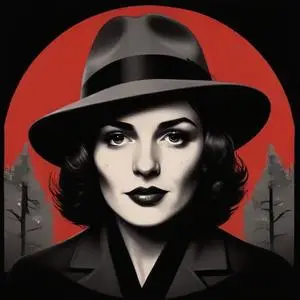
Pioneering photographer and journalist who captured iconic images of the Great Depression and World War II, and was the first woman to fly on a combat mission.
Margaret Bourke-White was a trailblazing American photographer and documentary photographer, best known for being the first foreign photographer permitted to take pictures of Soviet industry under the Soviets' first five-year plan, and for capturing the iconic construction of Fort Peck Dam, which graced the cover of the first issue of Life magazine.
Born Margaret White on June 14, 1904, in the Bronx, New York, she was the daughter of Joseph White, a non-practicing Jew of Polish descent, and Minnie Bourke, of Irish Catholic heritage. Growing up in Middlesex, New Jersey, Margaret developed an interest in photography, encouraged by her father's enthusiasm for cameras.
In 1922, Margaret began studying herpetology at Columbia University, but her interest in photography soon took over. She left after one semester, following the death of her father, and transferred to several colleges, finally finding her calling under the mentorship of Clarence White (no relation) at Columbia.
Margaret's upbringing by her "free-thinking" parents instilled in her a strong desire for self-improvement and a commitment to advancing humanity through personal achievement. Her photography reflected this philosophy, capturing the essence of human endeavor and progress.
Margaret Bourke-White's groundbreaking work paved the way for future generations of female photographers, and her contributions to the field of documentary photography continue to inspire and influence photographers today.
"The camera is a wonderful instrument for education, and I want to use it that way."
Margaret Bourke-White passed away on August 27, 1971, leaving behind a legacy of pioneering spirit, groundbreaking photography, and a lasting impact on the world of documentary photography.
Born in 1921
A pioneering photojournalist capturing intimate, vibrant moments of humanity, often using bold colors and abstract compositions to convey emotion and tell stories.
Born in 1908
A pioneer of street photography, capturing life's fleeting moments in elegant, geometric compositions that defined the genre. Known for coining the term "the decisive moment."
Born in 1895
Documented the lives of those affected by the Great Depression and the Dust Bowl through powerful, poignant photographs that humanized the struggles of the era. Captured iconic images that shaped the national conversation around poverty and social justice.
Born in 1902
Pioneering landscape photographer and conservationist capturing iconic black-and-white images of the American West, advocating for environmental protection through art.
Born in 1879
A pioneering photographer and painter who blurred the lines between art and commerce, capturing iconic images for Vogue and Harper's Bazaar while pushing the boundaries of modern art.
Born in 1864
A pioneering photographer and curator who promoted modern art in the early 20th century, showcasing works by avant-garde artists like Georgia O'Keeffe and Henri Matisse.
Born in 1923
A visionary photographer who captured iconic portraits of celebrities, politicians, and everyday people, revealing the human spirit through his lens.
