


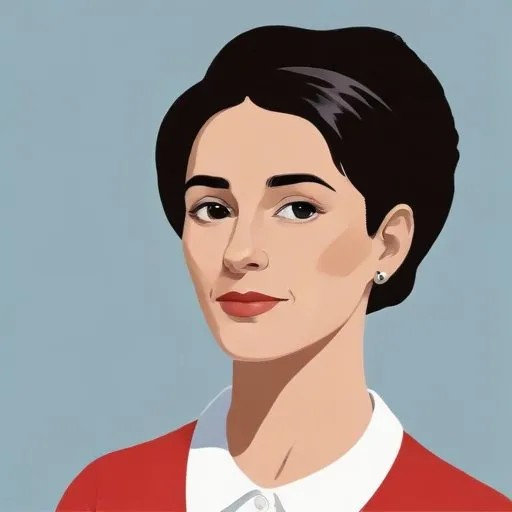
A talented English painter of landscapes, still lifes, and portraits, known for her delicate and intricate style. Her works often featured flowers, fruits, and animals.
Margaret FownesLuttrell, born on February 7, 1726, was a British heiress renowned for her inheritance of Dunster Castle, a stunning medieval fortress in Somerset, England. Her marriage to Henry Fownes Luttrell, under the stipulation of taking the additional surname of Luttrell, solidified her family's legacy in the region.
As the only child of Alexander Luttrell and Margaret Trevelyan, Margaret was destined for greatness from a young age. Her father's untimely death in 1737, however, left the family in financial turmoil, and Dunster Castle was subsequently thrown into Chancery and closed.
Her mother, Margaret Trevelyan, remarried Edward Dyke of Pixton and Tetton in Somerset, and young Margaret was raised alongside her cousin, Anne Luttrell, and Elizabeth Dyke, Edward Dyke's cousin. The family resided at Edward Dyke's houses, Pixton and Tetton, where Margaret received a moderate education, including music lessons.
On February 16, 1747, when Margaret came of age, she married her second cousin, Henry Fownes, at Kingston St Mary Church. This union not only united the families but also secured the Luttrell name and legacy.
Their shared ancestry is a fascinating tale of family ties, with both Margaret and Henry tracing their lineage back to Edward Yard, a prominent figure in Devon. This connection solidified their bond and ensured the continuation of the Fownes Luttrell name.
Five portraits of Margaret FownesLuttrell adorn the walls of Dunster Castle and Bathealton Court, serving as a testament to her enduring legacy. Her influence on the region and her family's history is undeniable, with her marriage and inheritance playing a pivotal role in shaping the course of their lives.
In conclusion, Margaret FownesLuttrell's life was marked by her inheritance, marriage, and family ties. Her legacy continues to inspire and fascinate, serving as a testament to the power of family and tradition.
Born in 1727
A prominent 18th-century painter of landscapes and portraits, capturing the essence of British aristocracy and gentry with elegance and refinement.
Born in 1723
A prominent portrait painter and art educator who helped establish the Royal Academy of Arts, known for his influential teachings and masterful depictions of 18th-century British aristocracy.
Born in 1741
A pioneering female artist of the 18th century, known for her exquisite portraits and landscapes that blended Neoclassicism with Rococo elements. Her work adorned the walls of European aristocracy and royalty.
Born in 1744
A pioneering female artist and founding member of the Royal Academy of Arts, known for her exquisite flower paintings and advocacy for women's rights in the art world.
Born in 1907
The 43rd Governor of Michigan was a prominent businessman and politician who played a significant role in shaping the state's economy and politics. He's most known for his innovative leadership and advocacy for civil rights.
Born in 1741
A Romantic-era artist celebrated for his dark, fantastical, and emotionally charged paintings that explored the human psyche, often blurring the lines between reality and myth.
Born in 1776
A Romantic-era painter celebrated for capturing the essence of the English countryside through serene, naturalistic landscapes, often featuring skies and clouds.
Born in 1697
A pioneering artist and social commentator, known for his witty and insightful depictions of 18th-century English life, morality, and politics through his paintings and engravings.
