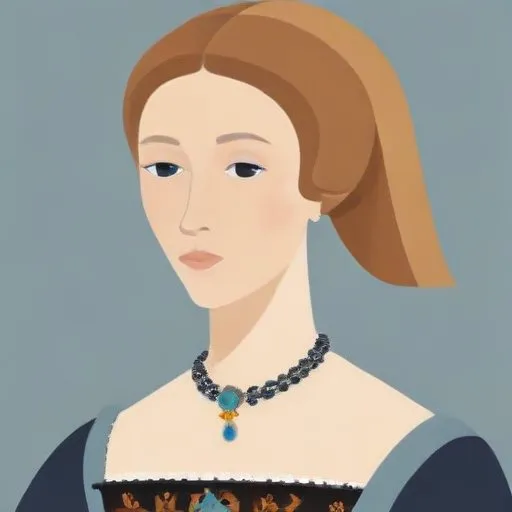
Margaret of Bavaria, Electress Palatine: A Royal Matriarch of Renaissance Politics
A Life of Diplomacy and Dynastic Union
Margaret of Bavaria, Electress Palatine, was a princess of Bavaria-Landshut and a key figure in the complex web of Renaissance politics. As the wife of Philip, Elector Palatine, Margaret played a crucial role in forging alliances, securing territories, and shaping the course of European history.
Early Life and Marriage
Born on November 7, 1456, Margaret was the daughter of Duke Louis IX, the Rich of Bavaria-Landshut, and Amalia of Saxony. In 1474, she married Philip, who later became Elector Palatine, in an extravagant ceremony in Amberg, attended by over 1,000 guests, including 14 ruling princes. This union marked the beginning of a long and fruitful partnership, both in politics and family.
A Family of Rulers
Margaret and Philip had six children, who went on to become prominent figures in European politics:
- Louis (1478-1544)
- Philip (1480-1541), Bishop of Freising and Naumburg
- Ruprecht (1481-1504), Bishop of Freising
- Frederick (1482-1556), Elector Palatine
- Elisabeth (1483-1522), married to William III, Landgrave of Hesse-Marburg and Philip I, Margrave of Baden
- Georg (1486-1529)
A Dynastic Union of Strategic Importance
The marriage between Margaret and Philip marked a significant shift in the balance of power in the region. Philip had previously rejected offers from
Mary of Burgundy and Anna, heiress of the county of Katzenelnbogen, opting instead for Margaret, whose family connections and territory offered a more promising alliance. This strategic move secured the Palatinate's position as a major power broker in the region.
Legacy and Impact
Margaret's role as Electress Palatine extended beyond her family and immediate territory. Her connections with her brother, Duke George the Rich, facilitated a dynastic union between Bayern-Landshut and the Palatinate, paving the way for future cooperation and strengthening the position of both territories. Through her children and their marriages, Margaret's influence extended to the Houses of Hesse, Baden, and Saxony, cementing her position as a matriarch of Renaissance politics.
A Life of Devotion and Duty
Throughout her life, Margaret remained committed to her family and her duties as Electress Palatine. When the plague swept through Heidelberg in 1482, Margaret fled to Winzingen Castle, where she gave birth to her son Frederick. This period of exile marked a challenging time for the Palatinate, but Margaret's resolve and determination helped to maintain stability and continuity.
Conclusion
Margaret of Bavaria, Electress Palatine, left an indelible mark on the history of Renaissance Europe. Through her marriage, family, and strategic alliances, she secured the Palatinate's position as a major power and shaped the course of European politics. Her legacy serves as a testament to the important role women played in shaping the course of history, often behind the scenes, but always with profound consequences.
FAQ
What was Margaret of Bavarias family background?
Margaret of Bavaria was born into the House of Wittelsbach, a powerful noble family in Bavaria. She was the daughter of Duke Louis the Strict and his wife, Beatrice of Świdnica.
Who did Margaret of Bavaria marry?
Margaret of Bavaria married Louis III, Elector Palatine, and became the Electress Palatine. The marriage was arranged to strengthen ties between the two families and secure alliances.
What was Margaret of Bavarias role in the Palatinate court?
As the Electress Palatine, Margaret of Bavaria played an important role in the court of her husband, Louis III. She was known for her intelligence, piety, and cultural achievements.
How many children did Margaret of Bavaria have?
Margaret of Bavaria had six children with her husband, Louis III, including four sons and two daughters. Her children went on to play important roles in European politics and nobility.
What was Margaret of Bavarias legacy?
Margaret of Bavaria left behind a lasting legacy as a patron of the arts, a devoted wife, and a respected member of the nobility. She is remembered for her cultural achievements and her role in shaping the Palatinate court.