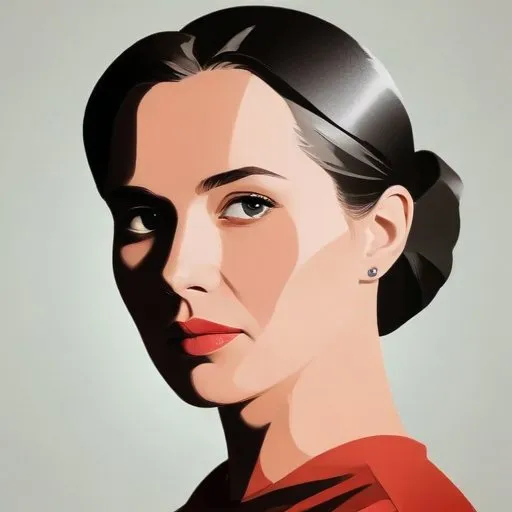
Margrethe Munthe: A Norwegian Literary Icon
A Prolific Songwriter and Playwright
Margrethe Munthe is renowned for her extraordinary contributions to Norwegian children's literature, songwriting, and playwriting. Her remarkable repertoire of songs, which often featured folk melodies and psalm melodies, has left an indelible mark on the country's cultural heritage.
Early Life and Education
Born on May 27, 1860, in Elverum, Norway, Margrethe Munthe was the daughter of physician Christopher Pavels Munthe and Christine Margrethe Pavels Aabel. She hailed from a prominent family of intellectuals, with her siblings and relatives making significant contributions to the fields of history, art, and literature. Munthe's educational pursuits took her to Hartvig Nissens school for girls in Christiania, where she graduated with a middle school exam in 1879.
Career Highlights and Major Works
Munthe's professional journey began as a governess, followed by a stint as the founder and operator of a private school in Langesund. In 1883, she passed a higher degree for female teachers and went on to teach at the Vaterland primary school in Kristiania (now Oslo) from 1888 to 1893 and again from 1895. Her teaching career was punctuated by her work at the Boltelkka primary school from 1902 to 1920.
Munthe's literary prowess is evident in her published songbooks,
Kom, skal vi synge, which comprised three collections released between 1905 and 1918. Her songs, such as "Hurra for deg som fyller ditt år," "På lven sitter nissen," and "Jeg vet en seter," have become beloved classics in Norwegian music. Her foray into playwriting resulted in notable works like the fairytale comedy
Aase Fiskerjente, published in 1912, and other comedies for children, including
Askepot,
Den nysgjerrige kone, and
Prinsessen og det halve rike.
Legacy and Impact
Margrethe Munthe's remarkable body of work has had a profound impact on Norwegian cultural identity. Her songs, in particular, have been instrumental in shaping the country's musical heritage. Her legacy extends beyond her literary contributions, as she played a significant role in promoting education and cultural enrichment for children.
Munthe's influence on modern Norwegian society is discernible in the continued popularity of her songs and plays. Her work has inspired generations of artists, writers, and musicians, including the likes of singer Wenche Myhre, who has performed her songs.
Personal Milestones and Key Life Events
Throughout her life, Munthe was surrounded by intellectual and artistic giants. Her family connections and relationships with prominent figures in Norwegian society undoubtedly influenced her creative pursuits.
Munthe's remarkable life came to a close on January 20, 1931, but her literary and cultural legacy continues to resonate with Norwegians and scholars alike.
Historical Context and Comparative Analysis
Munthe's contributions to Norwegian literature and music must be viewed within the context of Norway's cultural evolution during the late 19th and early 20th centuries. Her work parallels that of other prominent Norwegian writers and artists of the period, such as
Henrik Ibsen and
Edvard Munch.
In conclusion, Margrethe Munthe's extraordinary achievements in songwriting, playwriting, and education have earned her a revered place in Norwegian cultural history. Her work continues to captivate audiences, inspire new generations of artists, and contribute to the rich cultural tapestry of Norway.
FAQ
What were Margrethe Munthes songwriting contributions?
Margrethe Munthe was a prolific songwriter, composing numerous songs and hymns that remain popular in Norway to this day, including the beloved childrens song Søndagsengel.
What were Margrethe Munthes educational background and influences?
Margrethe Munthe received her education in music and pedagogy, later studying composition and theory in Berlin, where she was influenced by the works of prominent composers such as Johannes Brahms.
What were Margrethe Munthes teaching experiences?
Margrethe Munthe worked as a music teacher and educator, sharing her passion for music with generations of Norwegian students and inspiring a love of music in countless young people.
What were Margrethe Munthes musical style and influences?
Margrethe Munthes music was characterized by its simplicity, beauty, and folk influences, drawing on Norwegian folk traditions and melodies.
What was Margrethe Munthes legacy in Norwegian music?
Margrethe Munthes legacy in Norwegian music is marked by her contributions to the countrys rich cultural heritage, inspiring future generations of musicians and composers.