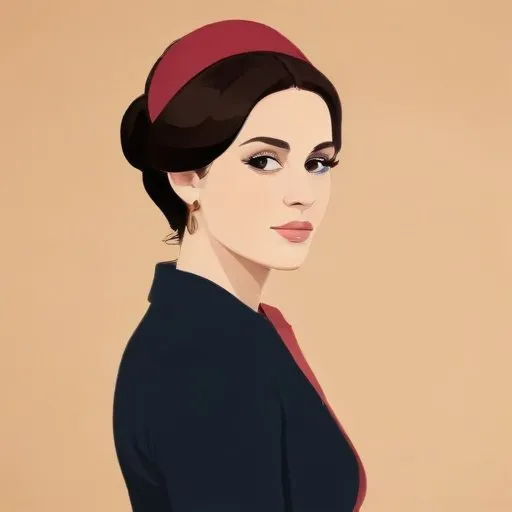
Maria Letizia Bonaparte: The Illustrious Duchess of Aosta
A Royal Legacy
Maria Letizia Bonaparte, also known as Marie-Laetitia Eugénie Catherine Adélaïde, was a French princess who left an indelible mark on European royalty. Born on November 20, 1866, she was one of the three children of Prince Napoléon Joseph Charles Paul Bonaparte and Princess Maria Clotilde of Savoy, making her a great-niece of the legendary Emperor
Napoleon Bonaparte.
Royal Upbringing and Marriage
Maria Letizia's early life was marked by luxury and grandeur, with residences in Paris, Rome, and Lake Geneva. She was educated in the finest traditions of European royalty, with a strong emphasis on duty, loyalty, and diplomacy. In 1888, she married Prince Amadeo, Duke of Aosta, who was also her uncle and the former king of Spain. This strategic union was pivotal in reviving French hopes of reinstating the Bonaparte dynasty into a position of power, reminiscent of the glory days of Napoleon III.
A Duchess of Aosta
Following her marriage, Maria Letizia became the Duchess of Aosta, a title that bestowed upon her immense responsibility and prestige. She played a crucial role in fostering goodwill between the French and Italian royal families, leveraging her connections to promote diplomacy and cooperation.
Family and Personal Life
Maria Letizia's family life was marked by turmoil, with her parents' unhappy marriage and significant age gap contributing to their estrangement. Her mother, Maria Clotilde, preferred a quieter, more duty-filled life, while her father, Napoléon Joseph, was drawn to the extravagance of the French court. Despite these challenges, Maria Letizia emerged as a strong, determined individual who navigated the complexities of royal life with elegance and poise.
Legacy and Impact
Maria Letizia's influence extended beyond the realm of royalty, inspiring a generation of European women to take active roles in diplomacy and politics. Her commitment to duty, loyalty, and family has left an enduring legacy, with her descendants continuing to play important roles in European royal circles.
Trivia and Fun Facts
- Maria Letizia was born in the Palais Royal in Paris, a location steeped in history and grandeur.
- Her mother, Maria Clotilde, was just 15 years old when she married Napoléon Joseph, who was over 37 years old at the time.
- The marriage between Maria Letizia's parents was negotiated at the Conference of Plombières in 1858, highlighting the complex web of alliances and rivalries between European royal families.
In Conclusion
Maria Letizia Bonaparte, Duchess of Aosta, remains an important figure in European royal history, celebrated for her diplomacy, loyalty, and commitment to duty. Her remarkable life serves as a testament to the enduring power of strong women in shaping the course of history.
FAQ
Who was Maria Letizia Bonapartes father?
Maria Letizia Bonapartes father was Prince Napoléon Bonaparte, a member of the Bonaparte family and a prominent figure in French politics.
What was Maria Letizia Bonapartes early life like?
Maria Letizia Bonaparte was born on November 20, 1866, in Paris, France. She was educated at home and grew up in a family with a strong emphasis on politics and public service.
What was Maria Letizia Bonapartes role in French society?
Maria Letizia Bonaparte played a significant role in French society, particularly in the areas of charity and philanthropy. She was known for her beauty, fashion sense, and her extensive collection of jewelry.
How did Maria Letizia Bonapartes family impact French history?
The Bonaparte family had a profound impact on French history, particularly during the Napoleonic Wars and the subsequent rise of Napoleon III to power.
What is Maria Letizia Bonapartes legacy today?
Maria Letizia Bonapartes legacy is remembered as a fascinating figure in French history and society. She is celebrated for her beauty, fashion sense, and her contributions to charity and philanthropy.