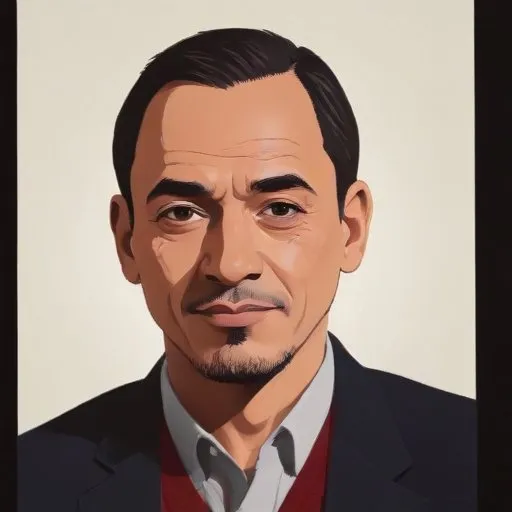
Mariano José de Larra: The Turbulent Life and Times of Spain's Most Iconic Romantic Writer
The Satirical Chronicler of 19th-Century Spain
Mariano José de Larra y Sánchez de Castro was a Spanish romantic writer and journalist, renowned for his biting satires and scathing critiques of 19th-century Spanish society. Through his numerous essays, he boldly tackled the politics and customs of his time, leaving an indelible mark on the literary landscape of Spain.
A Life of Turmoil and Triumph
Born in Madrid on March 24, 1809, Larra's life was marked by turmoil and upheaval. His father, a regimental doctor in the French Army, was compelled to leave Spain in 1812, and Larra returned to his homeland in 1817, speaking more French than Spanish. His education was imperfect, and he struggled to find his place in the world. After a series of failed attempts to pursue a degree in medicine or law, he turned to journalism, a profession that would both sustain and destroy him.
A Career Marked by Censorship and Controversy
Larra's writing was marked by a constant fear of censorship, yet he wrote with a ferocity and passion that earned him both accolades and criticism. His essays, often laced with satire and irony, targeted the social ills of his time, from corruption to hypocrisy. His most famous work, "Literary Exercises," was a scathing critique of the Spanish literary establishment, earning him both praise and denunciation.
A Private Life of Scandal and Heartache
Larra's personal life was marked by scandal and heartache. He married Josefa Wetoret Velasco in 1829, but the union was tumultuous, and he discovered that his third child was not his, exposing infidelity in their marriage. The subsequent divorce left him broken and disillusioned.
A Life Cut Short by Tragedy
On February 13, 1837, Larra's life came to a tragic end. He took his own life, leaving behind a legacy of powerful writing and a profound impact on Spanish literature.
A Legacy of Influence and Admiration
In the years following Larra's death, his work experienced a resurgence in popularity, influencing generations of writers and thinkers. In 1901, members of the Generation of '98, including
Miguel de Unamuno and Pío Baroja, brought flowers to his grave, paying homage to his thought and influence.
Major Works and Contributions
- "Literary Exercises" - a scathing critique of the Spanish literary establishment
- "No más mostrador" - a play based on two pieces by Scribe and Dieulafoy
- "Macas" - a play based on his own historical novel, "El doncel de don Enrique el Doliente"
- Translations of French theater plays
A Lasting Impact on Spanish Literature
Mariano José de Larra's life was marked by turmoil and tragedy, but his writing continues to inspire and provoke. As a champion of social critique and satire, he left an indelible mark on Spanish literature, influencing generations of writers and thinkers to come.
FAQ
What was Mariano José de Larras role in Spanish literature?
Mariano José de Larra was a Spanish journalist and author who played a significant role in the development of Spanish literature in the 19th century.
What was Mariano José de Larras writing style?
Mariano José de Larras writing style was characterized by his use of satire and social criticism, which was aimed at exposing the social ills of 19th-century Spain.
What were some of Mariano José de Larras most famous works?
Some of Mariano José de Larras most famous works include his novels El doncel de Don Enrique el Doliente and El poeta, as well as his essays on social criticism.
How did Mariano José de Larras writing impact Spanish society?
Mariano José de Larras writing had a significant impact on Spanish society, as it helped to raise awareness about social issues and promote reform.
What was Mariano José de Larras legacy in Spanish literature?
Mariano José de Larras legacy in Spanish literature is that of a pioneering author who helped to shape the course of Spanish literary history and inspire future generations of writers.