


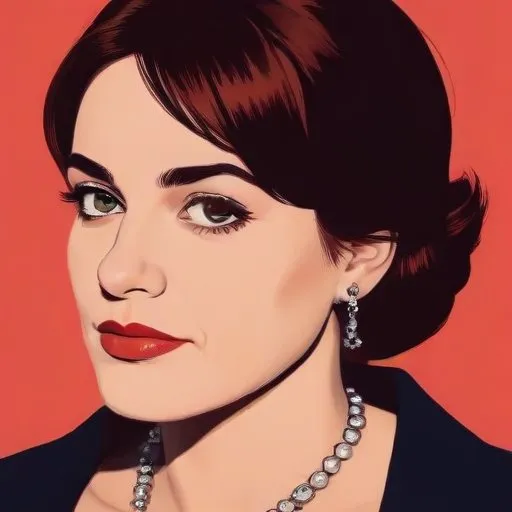
A French author who wrote novels and short stories that explored themes of love, family, and social class in 18th-century France, particularly known for her epistolary novels.
MarieAnne Desmarest, a celebrated French writer, left an indelible mark on the world of romance literature with her captivating novels that transported readers to a world of passion, love, and drama. Her remarkable body of work, which includes over 15 novels, has earned her a reputation as one of the most beloved French romance writers of the 20th century.
Born AnneMarie During on May 17, 1904, in Mulhouse, France, Desmarest's life was a testament to her passion for writing and her love for her family. Twice married, first to Henri Desmarest and later to Roger Leroy, she drew inspiration from her personal experiences and relationships, infusing her novels with a depth of emotion and authenticity.
Desmarest's literary prowess was recognized by the literary establishment, earning her several prestigious awards and honors. Her novel La Passion de Jeanne Rieber (1935) received the Prix de l'Alsace littéraire, while Torrents (1938) was awarded the Prix Max Barthou de l'Académie française.
Some of Desmarest's notable works include:
MarieAnne Desmarest's contribution to French literature is undeniable. Her novels not only captured the hearts of her readers but also reflected the cultural and social nuances of her time. Her writing style, a perfect blend of romance, drama, and realism, continues to inspire generations of writers and readers alike.
Desmarest passed away on March 4, 1973, at the age of 68, leaving behind a legacy that continues to captivate readers and inspire writers. Her work remains a testament to her passion, dedication, and love for storytelling, ensuring her place in the annals of French literary history.
Born in 1712
A pioneering thinker who shaped modern democracy and education with his ideas on social contracts, general will, and the importance of early childhood education. His writings influenced the French Revolution and modern political thought.
Born in 1694
A witty and insightful 18th-century writer and philosopher who used satire to critique societal norms and advocate for reason, tolerance, and human rights.
Born in 1717
A French Enlightenment thinker who made significant contributions to mathematics, physics, and philosophy, particularly in the fields of fluid dynamics and the study of vibrating strings. He's also known for his work on the Encyclopedia, a comprehensive reference work that aimed to compile all knowledge of the time.
Born in 1688
A master of witty dialogue and insightful portrayals of 18th-century French society, this playwright's works continue to delight audiences with their nuanced exploration of the human heart.
Born in 1768
A French historian and politician who served as Minister of Foreign Affairs, known for his influential writings on French history and politics, shaping the country's identity and foreign policy.
Born in 1766
A pioneering female writer and thinker who championed individual freedom and romanticism, producing influential works that shaped 19th-century European literature and politics.
