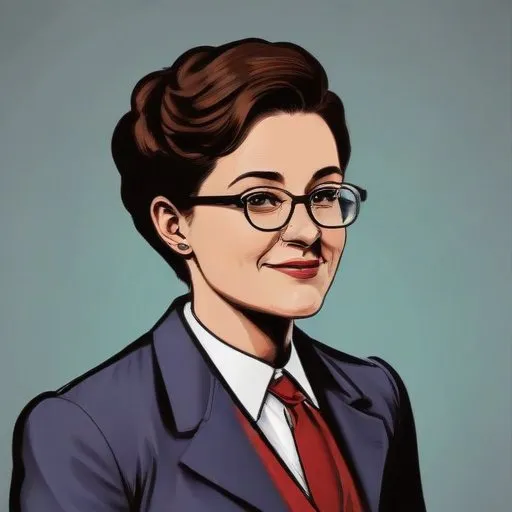
Mary Bosanquet Fletcher: The Pioneering Methodist Preacher
A Life of Devotion and Evangelism
Mary Bosanquet Fletcher was a trailblazing Methodist preacher who defied conventions and paved the way for women in ministry. Known for her unwavering commitment to spreading the Gospel, Fletcher's remarkable life and work continue to inspire generations of Christians.
Early Life and Calling
Born on September 12, 1739, in Leytonstone, Essex, England, Mary Bosanquet Fletcher was raised in a devout Christian family. Her parents, Samuel and Mary Bosanquet, instilled in her a strong sense of faith and morality, which would shape her future endeavors. At the tender age of 11, Mary experienced a profound spiritual awakening, which she believed was a calling from God to devote her life to His service.
Marriage and Ministry
In 1759, Mary married John Fletcher, a fellow Methodist and future bishop. Together, they formed a powerful ministry team, traveling extensively throughout England and preaching to thousands. Mary's remarkable preaching abilities and compassionate nature earned her widespread recognition and admiration.
Breaking Barriers
Mary Fletcher's ministry was marked by her courage to challenge traditional gender roles. Despite facing opposition from some quarters, she persevered, becoming one of the first women to preach in Methodist chapels. Her determination paved the way for future generations of women in ministry.
Personal Milestones and Key Life Events
- 1762: Mary and John Fletcher established a Christian community in Madeley, Shropshire, which became a hub for their evangelistic work.
- 1770: Mary's husband, John, was ordained as a bishop, solidifying their joint ministry.
- 1785: John Fletcher passed away, leaving Mary to continue their mission alone.
- 1791: Mary published her husband's biography, ensuring his legacy and teachings lived on.
Philosophical Contributions and Beliefs
Mary Fletcher's ministry was characterized by her emphasis on personal holiness, social justice, and the importance of women's roles in the Church. Her commitment to Methodism's core values – faith, hope, and charity – inspired countless individuals to adopt a life of service and devotion.
Influence on Modern Society
Mary Fletcher's pioneering spirit and unwavering dedication to her faith have had a lasting impact on modern Christianity. Her trailblazing work has inspired women to take on leadership roles within the Church, and her emphasis on social justice continues to shape Christian social activism.
Legacy and Historical Context
Mary Bosanquet Fletcher's remarkable life and ministry serve as a testament to the power of faith and determination. Her legacy extends far beyond her own time, inspiring generations to come. As a pioneering female preacher, she has earned a place in the annals of Christian history, ensuring her story continues to inspire and motivate others.
Quotes and Memorable Sayings
- "I do not think it is true, that we are not to aim at being perfect." – Mary Fletcher
Trivia and Fun Facts
- Mary Fletcher was known for her remarkable memory, able to recall entire sermons and biblical passages with ease.
- Her husband, John Fletcher, was a close friend and collaborator of John Wesley, the founder of Methodism.
FAQ
What was Mary Bosanquet Fletchers role in the Methodist movement?
Mary Bosanquet Fletcher was a prominent figure in the Methodist movement, serving as a preacher, evangelist, and philanthropist. She worked closely with John Wesley and other Methodist leaders to promote the movements values and ideals.
What were Mary Bosanquet Fletchers contributions to education?
Mary Bosanquet Fletcher made significant contributions to education, founding schools and institutions for the poor and marginalized. She believed in the importance of education for social and spiritual transformation.
How did Mary Bosanquet Fletchers work reflect the values of Methodism?
Mary Bosanquet Fletchers work reflected the values of Methodism, emphasizing personal holiness, social justice, and compassion for the poor. She demonstrated her commitment to these values through her philanthropic and educational endeavors.
What was Mary Bosanquet Fletchers relationship with John Wesley?
Mary Bosanquet Fletcher had a close relationship with John Wesley, who recognized her spiritual gifts and encouraged her to preach and evangelize. She remained loyal to Wesley and the Methodist movement throughout her life.
How did Mary Bosanquet Fletchers life reflect the opportunities and challenges for women in the 18th century?
Mary Bosanquet Fletchers life reflected the opportunities and challenges for women in the 18th century, as she navigated the limitations placed on womens roles in society while pursuing her spiritual and philanthropic passions.