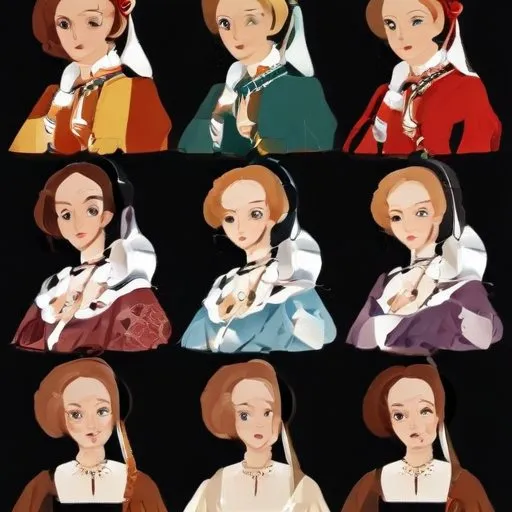
Mary Wriothesley, Countess of Southampton: A Tale of Love, Politics, and Resilience
The Dynasty Builder
Mary Wriothesley, Countess of Southampton, is best known for her role as a devoted wife, mother, and matriarch of the influential Wriothesley family. Her life was a intricate tapestry of love, politics, and resilience, which would ultimately shape the course of English history.
Early Life and Marriage
Born on July 22, 1552, Mary Browne was the daughter of
Anthony Browne, 1st Viscount Montagu, and Lady Jane Radcliffe. She had a twin brother, Anthony, but their mother's untimely death during childbirth left them orphaned at birth. Mary's father remarried Magdalen Dacre, with whom he had three sons and three daughters.
At the tender age of thirteen, Mary married Henry Wriothesley, 2nd Earl of Southampton, at her father's London residence. This union would produce three children: Henry Wriothesley, 3rd Earl of Southampton, and two daughters, Jane and Mary.
Turbulent Times
Mary's life was not without its challenges. Her husband's fervent Catholicism led to political difficulties, causing tension in their marriage. The Queen's granting of small favors to Southampton brought brief periods of stability, but the couple's happiness was short-lived. Mary's son, Henry, was born in 1573, bringing joy to the family, but the Earl's continued troubles would eventually lead to his demise in 1581.
Dowager Countess and Beyond
Widowed at twenty-nine, Mary became the Dowager Countess of Southampton, a title she held until 1595. During this period, she married twice: first to Sir Thomas Heneage, a courtier, for a few months until his death, and then to Sir William Hervey in 1598.
Legacy and Impact
Mary Wriothesley's life was marked by her unwavering dedication to her family and her role as a matriarch. Her descendants would go on to play significant roles in shaping English history, with her grandson, Henry Wriothesley, 3rd Earl of Southampton, being a prominent figure in the English Renaissance. Mary's legacy extends beyond her family, as her life serves as a testament to the strength and resilience of women during the turbulent Elizabethan era.
Personal Milestones and Key Life Events
- 1552: Born on July 22nd to Anthony Browne, 1st Viscount Montagu, and Lady Jane Radcliffe
- 1566: Married Henry Wriothesley, 2nd Earl of Southampton, at the age of thirteen
- 1573: Gave birth to her son, Henry Wriothesley, 3rd Earl of Southampton
- 1581: Widowed at twenty-nine after the death of her first husband
- 1595: Married Sir Thomas Heneage, a courtier, for a few months until his death
- 1598: Married Sir William Hervey
- 1607: Passed away in October or November
A Lasting Impact
Mary Wriothesley's life serves as a poignant reminder of the complexities and challenges faced by women during the Elizabethan era. Her story is one of love, loss, and resilience, and her legacy continues to resonate through the centuries.
FAQ
What was Mary Wriothesleys family background?
Mary Wriothesley was born into a prominent English family, the Wriothesleys, who held significant power and influence during the Tudor period. Her father, Earl of Southampton, played a key role in the court of King Henry VIII.
How did Mary Wriothesley become Countess of Southampton?
Mary Wriothesley inherited the title of Countess of Southampton after the death of her father. She managed the familys estates and played a crucial role in maintaining their social standing.
What were Mary Wriothesleys relationships like with other nobles?
Mary Wriothesley maintained close relationships with other noble families, including the royal family. She was known for her intelligence, wit, and strong character, earning her respect and admiration among her peers.
What was Mary Wriothesleys role in English society?
Mary Wriothesley was a prominent figure in English society, known for her involvement in charitable activities and her patronage of the arts. She supported writers and artists, including William Shakespeare, who dedicated his poem Venus and Adonis to her.
What is Mary Wriothesleys legacy in English history?
Mary Wriothesley is remembered as a strong-willed and intelligent woman who navigated the complexities of the English court with ease. Her patronage of the arts and her support for writers like Shakespeare have secured her place in English literary history.