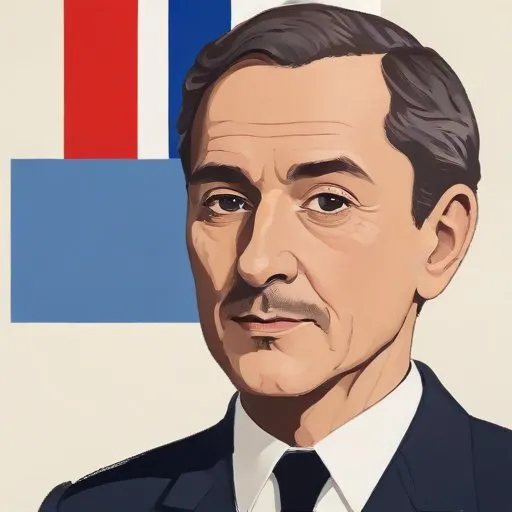
Maurice Papon: The Controversial French Civil Servant and Nazi Collaborator
A Legacy of Crimes Against Humanity
Maurice Papon, a French civil servant and politician, is infamous for his involvement in crimes against humanity during World War II and the Algerian War. As the secretary general for the police in Bordeaux during the German occupation, Papon played a significant role in the deportation of over 1,600 Jews to concentration camps, leading to their eventual deaths.
Early Life and Career
Born on September 3, 1910, in Gretz-Armainvilliers, Seine-et-Marne, France, Papon came from a family of modest means. He pursued a career in the French civil service, rising through the ranks to become a high-ranking official. In the 1930s, he served as a prefect in several major prefectures, including Bordeaux, where he would later commit his most heinous crimes.
Collaboration with the Nazis
During World War II, Papon collaborated with the German occupation authorities, participating in the deportation of Jews and other persecuted groups. As the head of the Bordeaux police, he signed documents ordering the arrest and deportation of over 1,600 Jews, including women and children, to the Drancy internment camp. Many of these individuals were eventually sent to concentration camps, where they were murdered.
Involvement in the Algerian War
After the war, Papon continued to serve in the French government, playing a significant role in the Algerian War. As the prefect of the Constantinois department, he was responsible for torturing insurgent prisoners and ordering the repression of pro-National Liberation Front (FLN) demonstrations. In 1961, he was personally awarded the Legion of Honour by French President
Charles de Gaulle for his services.
Controversies and Scandals
Papon's involvement in human rights abuses did not go unnoticed. In 1961, he was forced to resign as prefect of the Paris police after the suspicious disappearance of Moroccan Marxist Mehdi Ben Barka. Later, in 1981, documents signed by Papon were leaked, revealing his role in the deportation of Jews during World War II. This led to his eventual trial and conviction for crimes against humanity.
Later Life and Legacy
Despite his controversial past, Papon continued to serve in the French government, holding various offices, including president of Sud Aviation, the company that co-developed the Concorde. He was eventually elected to the French National Assembly, serving several terms. However, his legacy is forever marred by his crimes against humanity, and he remains a controversial figure in French history.
Timeline of Key Events
- 1910: Born in Gretz-Armainvilliers, Seine-et-Marne, France
- 1930s: Served as a prefect in several major prefectures, including Bordeaux
- 1942-1944: Collaborated with the Nazis, deporting over 1,600 Jews to concentration camps
- 1954-1962: Participated in the Algerian War, torturing insurgent prisoners and repressing pro-FLN demonstrations
- 1961: Awarded the Legion of Honour by French President Charles de Gaulle
- 1967: Forced to resign as prefect of the Paris police after the disappearance of Mehdi Ben Barka
- 1981: Documents revealing his role in the deportation of Jews during World War II were leaked
- 1998: Convicted of crimes against humanity and sentenced to 10 years in prison
- 2007: Died on February 17, at the age of 96, while serving his sentence
Quotes and Reflections
"I was a servant of the state, and I did what I was told to do." - Maurice Papon, during his trial in 1998
Papon's legacy serves as a stark reminder of the dangers of blind obedience and the importance of accountability for those in power. His crimes against humanity continue to haunt French history, and his name remains synonymous with collaboration and human rights abuses.
FAQ
What was Maurice Papons role in the French government?
Maurice Papon was a French civil servant who served as a prefect under the Vichy regime and later as a cabinet minister in the French government. He was responsible for implementing discriminatory policies against Jews and other minority groups during World War II.
What was Maurice Papons involvement in the Vel dHiv Roundup?
Maurice Papon was a key figure in the Vel dHiv Roundup, a mass arrest of Jews in Paris in 1942. He was responsible for coordinating the roundup and deporting thousands of Jews to concentration camps.
What was Maurice Papons later life and legacy?
After the war, Maurice Papon worked as a private businessman and later served as a cabinet minister in the French government. However, his wartime activities were eventually exposed, and he was convicted of crimes against humanity in 1998.
What was the impact of Maurice Papons war crimes on his later political career?
Maurice Papons war crimes were kept hidden for many years, allowing him to pursue a successful political career. However, when his past was finally exposed, it led to widespread outrage and condemnation, ultimately leading to his conviction and imprisonment.
How did Maurice Papons war crimes trial shape French attitudes towards the Holocaust?
Maurice Papons trial marked a turning point in French attitudes towards the Holocaust, acknowledging the countrys responsibility for its role in the persecution of Jews and other minority groups during World War II. It led to greater awareness and education about the Holocaust in France.