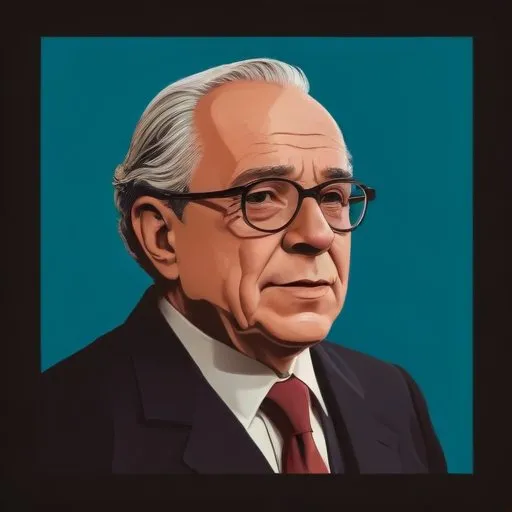
Max Frisch: The Maverick of Swiss Literature
A Life Dedicated to Challenging the Status Quo
Max Frisch, a renowned Swiss playwright, and novelist, is best known for his thought-provoking works that delved into the complexities of human identity, morality, and political commitment. Through his writing, Frisch sought to confront societal norms, sparking introspection and critical thinking in his readers.
Early Life and Education
Born on May 15, 1911, in Zurich, Switzerland, Frisch was the second son of Franz Bruno Frisch, an architect, and Karolina Bettina Frisch. His family's financial situation was modest, and his father's job loss during World War I only exacerbated their struggles. This challenging upbringing had a profound impact on Frisch's worldview, shaping his writing and inspiring him to tackle tough subjects.
A Literary Career Born from Rebellion
Frisch's foray into writing began during his secondary school days, where he attempted to write dramas. Although his early works were met with rejection and ultimately destroyed, this setback only fueled his determination. He went on to study German literature and linguistics at the University of Zurich, where he was influenced by notable professors Robert Faesi and Theophil Spoerri.
The Birth of a Maverick
Frisch's writing style was marked by his use of irony, which became a hallmark of his postwar works. This bold approach earned him both acclaim and criticism, as he tackled topics such as individuality, morality, and political commitment. His writing was not meant to provide easy answers but rather to prompt uncomfortable questions, challenging readers to reexamine their own values and beliefs.
Awards and Accolades
Frisch's groundbreaking work was recognized with several prestigious awards, including the:
- 1965 Jerusalem Prize
- 1973 Grand Schiller Prize
- 1986 Neustadt International Prize for Literature
Influence on Modern Society
Frisch's writing has had a profound impact on modern society, inspiring a new wave of writers and thinkers to challenge the status quo. His works have been translated into numerous languages, ensuring his ideas continue to resonate with readers worldwide. As a co-founder of Gruppe Olten, a group of Swiss writers, Frisch played a crucial role in shaping the country's literary landscape.
Personal Life and Relationships
Frisch's close friendship with artist and collector Werner Coninx, formed during his secondary school days, lasted a lifetime. This bond was a source of inspiration and support, allowing Frisch to explore new ideas and creative avenues.
Legacy and Impact
Max Frisch's literary contributions have left an indelible mark on the world of literature. His unwavering commitment to challenging societal norms has inspired generations of writers, thinkers, and readers alike. As a master of irony and a fearless explorer of the human condition, Frisch's works continue to captivate and provoke, solidifying his place as one of the most important Swiss writers of the 20th century.
Through his life's work, Max Frisch has left behind a legacy that will continue to inspire, provoke, and challenge readers for generations to come.
FAQ
What are Max Frischs most famous works?
Max Frisch is best known for his novels Im Not Stiller and Homo Faber, as well as his plays like The Firebugs and Andorra. His writing often explores themes of identity, morality, and the human condition.
What inspired Max Frisch to become a writer?
Growing up in Zurich, Switzerland, Max Frisch was exposed to a rich literary heritage. He was inspired by authors like Friedrich Dürrenmatt and Robert Walser, and began writing his own stories and plays as a young man.
How did Max Frisch contribute to Swiss literature?
Max Frisch was a key figure in modern Swiss literature, exploring themes and ideas that were relevant to the post-war era. He was part of a generation of writers who helped shape the countrys literary identity.
What was Max Frischs writing style like?
Max Frisch was known for his concise, precise writing style, which often blurred the lines between fiction and reality. He was interested in exploring the complexities of human nature and the search for identity.
Has Max Frisch won any awards for his writing?
Max Frisch won several awards for his work, including the Peace Prize of the German Book Trade and the Heinrich Heine Prize. He was also nominated for the Nobel Prize in Literature several times.