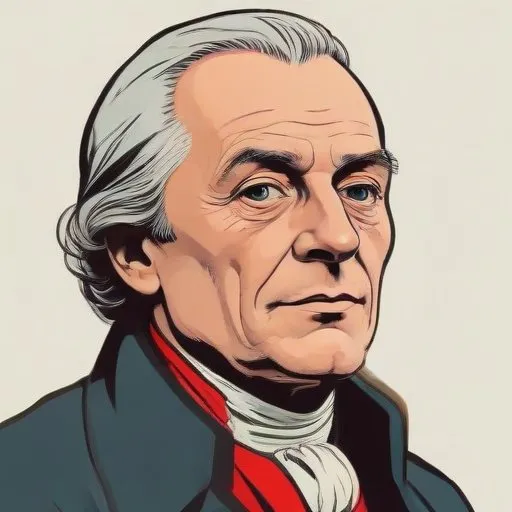
Friedrich Dürrenmatt

Friedrich Dürrenmatt

Friedrich Dürrenmatt was born on January 5th, 1921

Full Name: Friedrich Dürrenmatt
Nationality: Swiss
Profession: Author, playwright
Notable work: The Physicists
Place of birth: Konolfingen, Switzerland
Zodiac sign: Scorpio
Genre: Satire, comedy
Style: Absurdism

A Swiss author and playwright who wrote dark, satirical, and philosophical plays and novels that explored the human condition, often incorporating elements of mystery and absurdity.

Friedrich Dürrenmatt: A Pioneering Swiss Author and Playwright

Introduction

Friedrich Dürrenmatt, a Swiss author and playwright, is renowned for his groundbreaking works that reflected the complexities of post-World War II Europe. His avant-garde dramas, philosophical crime novels, and macabre satire continue to captivate audiences with their thought-provoking themes and intricate storytelling.

Early Life and Education

Dürrenmatt was born on January 5, 1921, in Konolfingen, Canton of Bern, Switzerland, to a Protestant pastor. His family's conservative background, coupled with his grandfather's involvement in politics, instilled in him a strong sense of social responsibility. In 1941, Dürrenmatt began studying philosophy, German philology, and German literature at the University of Zurich, later transferring to the University of Bern in 1942. However, he abandoned his academic pursuits in 1943 to focus on his literary career.

Literary Career

Dürrenmatt's writing career spanned multiple genres, including drama, fiction, and satire. His debut play, It Is Written, was written in 1945-1946 and marked the beginning of his foray into epic theatre. He continued to produce works that tackled pressing social issues, often incorporating elements of mystery, crime, and the human condition.

Major Works

Influence and Impact

Dürrenmatt's works have had a profound influence on modern literature and theatre. His innovative approach to storytelling, which blended elements of mystery, philosophy, and satire, has inspired a new generation of writers and playwrights.

Historical Context and Legacy

Dürrenmatt's writings provide valuable insights into the post-war European experience, offering a unique perspective on the complexities of modern society. His works continue to be studied, performed, and translated worldwide, solidifying his position as a leading literary figure of the 20th century.

Personal Life and Milestones

Dürrenmatt married actress Lotti Geissler in 1946, and the couple had two children. He traveled extensively throughout his life, visiting the United States, Israel, and Poland, among other countries. In 1975, he appeared as himself in the film End of the Game. After Lotti's passing in 1983, Dürrenmatt married actress Charlotte Kerr in 1984.

Later Life and Death

In the 1990s, Dürrenmatt became increasingly vocal about social and political issues, delivering two notable speeches: Die Schweiz, ein Gefängnis (Switzerland, a Prison) and Kants Hoffnung (Kant's Hope). He passed away on December 14, 1990, due to heart failure, leaving behind a rich literary legacy that continues to captivate audiences worldwide.

Philosophical Contributions and Beliefs

Dürrenmatt's works often explored the intersections of philosophy, politics, and morality. He was known for his critiques of Marxism and his comparative analyses of the three Abrahamic religions. His writings frequently grappled with the human condition, encouraging readers to question the status quo and confront the complexities of modern society.

Awards and Honors

Throughout his career, Dürrenmatt received numerous awards and honors for his contributions to literature and theatre. Despite his passing, his works continue to be celebrated and studied, ensuring his enduring impact on the literary world.
Timeline
1921
Born in Switzerland
Friedrich Dürrenmatt was born on January 5, 1921, in Konolfingen, Switzerland.
1940
Wrote First Play
Dürrenmatt wrote his first play, Es steht geschrieben, in the 1940s, marking the beginning of his literary career.
1950
International Acclaim
Dürrenmatt gained international acclaim in the 1950s with plays like The Visit and The Physicists.
1960
Wrote Detective Novels
Dürrenmatt wrote several detective novels in the 1960s, including The Judge and His Hangman.
1990
Passed Away
Friedrich Dürrenmatt passed away on December 14, 1990, at the age of 69.
Friedrich Dürrenmatt

Friedrich Dürrenmatt Quiz

What is a common theme in Friedrich Dürrenmatt's works?

Score: 0/5
FAQ
What was Friedrich Dürrenmatts contribution to Swiss literature?
Friedrich Dürrenmatt was a leading figure in Swiss literature and is widely regarded as one of the most important Swiss writers of the 20th century. He wrote numerous plays, novels, and essays that explored themes of politics, morality, and human nature.
What was Friedrich Dürrenmatts style as a playwright?
Friedrich Dürrenmatt was known for his unique style as a playwright, which combined elements of comedy and tragedy. His plays often explored complex moral and philosophical themes, and were praised for their intellectual depth and wit.
How did Friedrich Dürrenmatt influence the development of German-language literature?
Friedrich Dürrenmatt was a highly influential figure in the development of German-language literature. He was a key figure in the post-war literary movement and influenced a generation of young writers.
What were Friedrich Dürrenmatts views on politics and morality?
Friedrich Dürrenmatt was a strong critic of politics and morality. He believed that individuals had a responsibility to act with moral courage and to challenge the status quo. His writing often explored the tensions between individual morality and political power.
What awards did Friedrich Dürrenmatt win?
Friedrich Dürrenmatt won several awards and honors for his contributions to literature, including the prestigious Georg Büchner Prize and the Prince of Asturias Award.

Related People:

Max Frisch

Born in 1911

A Swiss playwright and novelist who explored themes of identity, morality, and social critique in his works, often incorporating elements of absurdity and satire. He is particularly renowned for his novels that probed the human condition.

Hermann Hesse

Born in 1877

A renowned poet, novelist, and painter, celebrated for his thought-provoking and introspective works that explore the human condition, spirituality, and the search for meaning. His writings often blended elements of psychology, philosophy, and mysticism.

Carl Jung

Born in 1875

Developed the concept of collective unconscious and archetypes, and founded analytical psychology, which emphasizes the integration of opposites and the process of individuation.

Jean-Paul Sartre

Born in 1905

Existentialist philosopher and playwright who argued that humans have complete freedom to choose their actions and create their own meaning in life, influencing modern thought on morality and individual responsibility.

Albert Camus

Born in 1913

A French novelist, philosopher, and journalist who wrote influential works like "The Stranger" and "The Plague", exploring absurdism and the human condition.

Martin Heidegger

Born in 1889

A German philosopher and academic who explored the meaning of existence, time, and human existence, influencing 20th-century philosophy with his concept of "Being-in-the-world".

Erich Maria Remarque

Born in 1898

A German-Swiss soldier and author, best known for writing the classic novel "All Quiet on the Western Front", a powerful anti-war tale that vividly depicts the horrors of World War I.

Günter Grass

99 Years Old

A renowned German writer and artist, celebrated for his influential and provocative works that explored the human condition, morality, and the complexities of German history and identity.