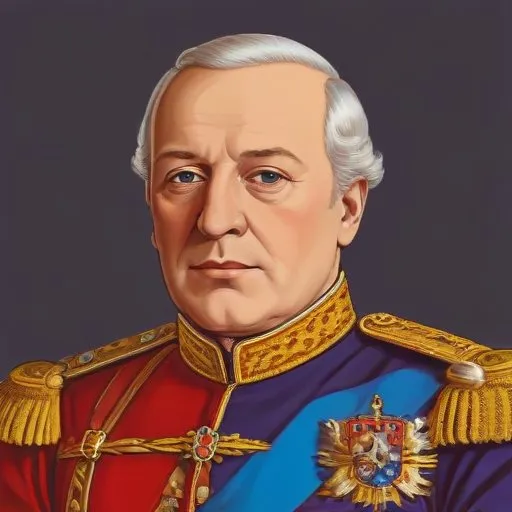
Maximilian I, Elector of Bavaria: The Architect of Bavarian Ascendancy
A Reign of Reform and Conquest
Maximilian I, Elector of Bavaria, is renowned for his visionary leadership, which transformed the fate of Bavaria during the tumultuous 17th century. As the Duke of Bavaria from 1597, he played a pivotal role in shaping the destiny of the Holy Roman Empire, earning the title of Prince-Elector at the 1623 Diet of Regensburg.
Early Life and Education
Born in Munich on April 17, 1573, Maximilian was the eldest son of
William V, Duke of Bavaria, and
Renata of Lorraine. He received his education from the Jesuits, which instilled in him a strong sense of Catholicism and a passion for learning. As his father's health began to decline, Maximilian took an active role in governance, participating in state affairs from around 1591.
Marriages and Family
Maximilian's personal life was marked by two significant marriages. His first marriage to Elisabeth Renata, his cousin, in 1595, remained childless. Following her death, he married
Maria Anna of Austria, his 25-year-old niece, in 1635. This union was driven by the desire to produce an heir, which ultimately led to the birth of several children.
The Counter-Reformation and Catholic League
A devout Catholic, Maximilian was a leading proponent of the Counter-Reformation, a movement aimed at countering the spread of Protestantism. He founded the Catholic League of Imperial Princes, which played a crucial role in the Thirty Years War. His unwavering commitment to the Catholic faith earned him the respect of his contemporaries and cemented his position as a champion of Catholicism.
Military Campaigns and Territorial Expansion
Maximilian's military prowess is evident in his conquest of the Upper Palatinate region and the Electoral Palatinate, which he achieved during the Thirty Years War. The 1648 Peace of Westphalia recognized his control over the Upper Palatinate and granted him the hereditary electoral title.
Legacy and Impact
Maximilian's reign marked the beginning of absolutist rule in Bavaria, as he successfully consolidated power by overcoming the feudal rights of local estates. His contributions to the Catholic Church and his role in shaping the destiny of the Holy Roman Empire have earned him a permanent place in history. As a capable and visionary leader, Maximilian I, Elector of Bavaria, left an indelible mark on European politics and Catholicism.
Personal Characteristics and Anecdotes
- Maximilian was known for his strong will and determination, which helped him navigate the complexities of 17th-century politics.
- His commitment to education and the Catholic faith was reflected in his support for the Jesuits and the establishment of several educational institutions.
- Despite his strong personality, Maximilian was also known for his fairness and justice, earning him the respect of his subjects and contemporaries.
Historical Context and Comparative Analysis
Maximilian's reign coincided with a tumultuous period in European history, marked by the Thirty Years War and the rise of Protestantism. His leadership and vision for Bavaria can be compared to that of other prominent European leaders of the time, such as the Habsburgs and the Bourbon dynasty.
Visual Timeline and Milestones
- 1573: Born in Munich, Bavaria
- 1591: Begins participating in state affairs
- 1594: Marries Elisabeth Renata
- 1597: Becomes Duke of Bavaria
- 1623: Receives the title of Prince-Elector at the Diet of Regensburg
- 1635: Marries Maria Anna of Austria
- 1648: The Peace of Westphalia recognizes his control over the Upper Palatinate
- 1651: Dies on September 27
Trivia and Fun Facts
- Maximilian was a skilled musician and composer, and his court was known for its patronage of the arts.
- He was a strong supporter of the Jesuits and established several educational institutions, including the University of Ingolstadt.
- Maximilian's reign saw the construction of several notable buildings, including the Hofbrunn Palace and the Munich Residenz.
FAQ
What were the key accomplishments of Maximilian I, Elector of Bavaria?
Maximilian I, Elector of Bavaria, was a prominent figure in the Thirty Years War, and his accomplishments include re-establishing Catholicism in Bavaria, reforming the Bavarian army, and playing a crucial role in the Battle of White Mountain.
How did Maximilian I, Elector of Bavaria, influence the Thirty Years War?
Maximilian I, Elector of Bavaria, played a significant role in the Thirty Years War, participating in several battles, including the Battle of White Mountain, and was one of the leaders of the Catholic League.
What was Maximilian I, Elector of Bavarias role in the Catholic League?
Maximilian I, Elector of Bavaria, was one of the leaders of the Catholic League, a coalition of Catholic states formed to counter the Protestant Union, and played a crucial role in the leagues military campaigns.
What was the significance of Maximilian I, Elector of Bavarias reign?
Maximilian I, Elector of Bavarias reign marked a period of significant cultural, economic, and religious development in Bavaria, and his legacy had a lasting impact on the region.
What were the consequences of Maximilian I, Elector of Bavarias military campaigns?
Maximilian I, Elector of Bavarias military campaigns led to significant territorial gains for Bavaria, including the acquisition of the Upper Palatinate, and had a lasting impact on the balance of power in Europe.