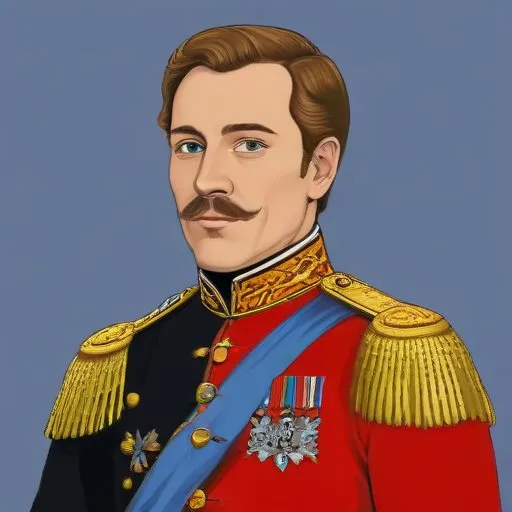
William V, Duke of Bavaria: The Pillar of Counter-Reformation
A Life Dedicated to Faith and Reign
William V, Duke of Bavaria, also known as the Pious, was a staunch supporter of the Counter-Reformation, devoting his life to the Catholic faith and its propagation. His reign from 1579 to 1597 was marked by a series of efforts to strengthen the Catholic Church's hold on Bavaria and beyond.
Early Life and Education
Born on September 29, 1548, in Landshut, William V was the son of Albert V and
Archduchess Anna of Austria. He received a Jesuit education, which instilled in him a deep commitment to the principles of the Counter-Reformation. This education laid the foundation for his future endeavors as a champion of Catholicism.
Renaissance Palace and Devotional Pursuits
As crown prince, William V resided in the ancient fortified Wittelsbach seat, Trausnitz Castle, which he extensively renovated between 1568 and 1578. His renovation projects transformed the Gothic castle into a Renaissance palace complex, complete with an arcaded inner court. This palace became a testament to his refined taste and dedication to the arts. Additionally, William V was known for his devout daily routine, which consisted of multiple masses, prayer, contemplation, and devotional reading.
Reign and Counter-Reformation Efforts
Like his Wittelsbach predecessors, William V was a strong supporter of the Counter-Reformation. He worked tirelessly to promote Catholicism and suppress Protestantism in Bavaria. In 1583, he campaigned to secure the archbishopric of Cologne for his brother Ernest, which ultimately led to the defeat of the Calvinist contender,
Gebhard Truchsess von Waldburg. This victory ensured that the Electorate and Archdiocese of Cologne remained in the possession of the Wittelsbach family for nearly 200 years.
Ecclesiastical Careers and Legacy
William V's sons, Philipp Wilhelm and Ferdinand, followed in their father's footsteps, pursuing ecclesiastical careers. Philipp Wilhelm became the Bishop of Regensburg and eventually a Cardinal, while Ferdinand succeeded his uncle as Archbishop of Cologne. The family's influence in the Catholic Church continued to grow, with Philipp Wilhelm expelling Salzburg from the Berchtesgaden Provostry in 1591, paving the way for his son Ferdinand to assume control.
Legacy and Impact
William V's reign and legacy are marked by his unwavering commitment to the Counter-Reformation. His efforts to promote Catholicism and suppress Protestantism had far-reaching consequences, shaping the religious landscape of Bavaria and beyond. Today, he is remembered as a champion of the Catholic faith, and his contributions to the Counter-Reformation remain an integral part of European history.
Philosophical Contributions and Beliefs
William V's philosophical contributions were deeply rooted in his Catholic faith. He believed in the importance of devotion, prayer, and contemplation, and his daily routine reflected these values. His commitment to the Counter-Reformation was driven by a desire to promote Catholicism and combat the perceived threats of Protestantism.
Personal Milestones and Key Life Events
- Born on September 29, 1548, in Landshut
- Received Jesuit education
- Renovated Trausnitz Castle between 1568 and 1578
- Campaigned to secure the archbishopric of Cologne for his brother Ernest in 1583
- Expelled non-Catholics from Bavaria during his reign
- Abdicated in 1597 in favor of his son Maximilian I
- Died on February 7, 1626
Historical Context and Comparative Analysis
William V's reign and legacy must be understood within the context of the Counter-Reformation, a period marked by intense religious conflict and competition. His efforts to promote Catholicism and suppress Protestantism were part of a broader European trend, as Catholic leaders across the continent sought to reclaim lost ground and assert their authority. In comparative terms, William V's reign was marked by a more moderate approach than some of his contemporaries, such as the Habsburgs, who employed more drastic measures to suppress Protestantism.
FAQ
What was William V, Duke of Bavarias role in the Counter-Reformation?
William V, Duke of Bavaria, played a significant role in the Counter-Reformation, working to restore Catholicism in Bavaria and promoting the Jesuit order.
What were William V, Duke of Bavarias religious beliefs?
William V, Duke of Bavaria, was a devout Catholic and a strong supporter of the Catholic Church, which influenced his policies and actions as ruler of Bavaria.
How did William V, Duke of Bavaria, respond to the Protestant Reformation?
William V, Duke of Bavaria, responded to the Protestant Reformation by promoting Catholicism and persecuting Protestants, which led to conflicts with his Protestant neighbors.
What was William V, Duke of Bavarias relationship with the Habsburgs?
William V, Duke of Bavaria, had a complex relationship with the Habsburgs, often allying with them but also competing for power and influence in the region.
What is William V, Duke of Bavarias legacy in Bavarian history?
William V, Duke of Bavarias legacy in Bavarian history is that of a devout Catholic ruler who worked to promote and defend the Catholic faith in the face of Protestant challenges.