


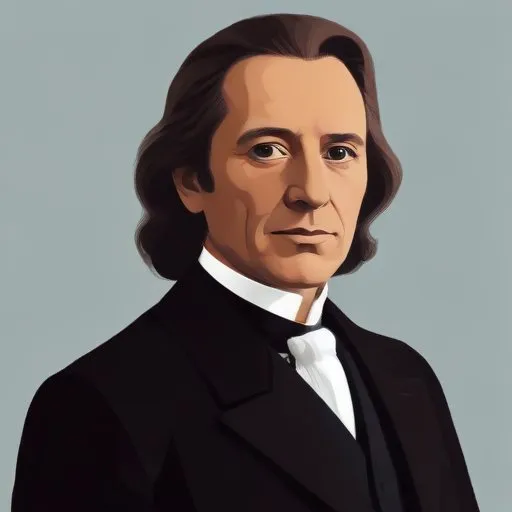
A renowned composer and educator, he wrote music for concert bands, orchestras, and chamber ensembles, and taught at several universities, influencing generations of musicians.
Michael Hennagin, born on September 17, 1936, was an American composer and university professor renowned for his versatility in composing music for film, television, and various ensembles. His iconic works, including soundtracks for Voyage to the Bottom of the Sea and The DuPont Show of the Week, continue to resonate with audiences today.
Hennagin was born in The Dalles, Oregon, and began his musical journey by studying composition at the prestigious Curtis Institute of Music in Philadelphia. He further honed his skills at summer festivals in Aspen and Tanglewood, where he was mentored by luminaries such as Darius Milhaud and Aaron Copland.
Hennagin's professional career took off as a Hollywood composer and arranger, working in film and television. However, he soon branched out to compose music for various instrumental and vocal ensembles, including choirs, symphonic bands, orchestras, and percussion ensembles. Some of his notable compositions include:
Hennagin's contributions to the world of music were recognized with numerous awards and honors. The American Society of Composers, Authors, and Publishers (ASCAP) acknowledged his commercial influence and success with several awards. In 1975, he was named National Composer of the Year by the Music Teachers National Association, a testament to his impact on the music education community.
In 1972, Hennagin joined the University of Oklahoma as composer-in-residence, teaching composition until his retirement in 1992. To commemorate his legacy, the University of Oklahoma established the Michael Hennagin Prize in Composition, awarded biennially to recognize outstanding young composers. His final work, Proud Music, showcased his mastery of music and poetry, combining the texts of Walt Whitman's poetry with his own unique compositional style.
Just before his passing on June 4, 1993, Ohio State University honored Hennagin with a week-long festival, celebrating his life's work. He also traveled to New York City, where The Gregg Smith Singers premiered a new choral work at Carnegie Hall, a fitting tribute to his contributions to the world of music.
Hennagin's music continues to inspire new generations of composers, musicians, and music educators. His eclectic style, which blended elements of classical, jazz, and popular music, has influenced a wide range of musical genres. As a composer, teacher, and mentor, Michael Hennagin left an indelible mark on the world of music, ensuring that his legacy will endure for years to come.
Born in 1918
A renowned musician who blended jazz, classical, and Broadway styles, creating iconic works like West Side Story, and inspiring generations with his charismatic performances and innovative compositions.
Born in 1900
A renowned composer, conductor, and educator who blended folk and modernist elements to create iconic American classical music, including "Appalachian Spring" and "Fanfare for the Common Man".
Born in 1910
A renowned pianist and composer who blended romanticism and modernism, creating iconic works like "Adagio for Strings" that evoke powerful emotions.
Born in 1911
An Italian-American composer who wrote operas, ballets, and choral works, blending traditional and modern styles, and is best known for his Christmas opera "Amahl and the Night Visitors".
Born in 1910
A renowned composer and educator, he was the first president of the Juilliard School and won the Pulitzer Prize for Music in 1943. He's known for his contributions to American classical music.
Born in 1894
A renowned composer, theorist, and academic who made significant contributions to the development of American classical music, particularly in the realm of harmony and counterpoint.
Born in 1896
A renowned composer, conductor, and educator who made significant contributions to American classical music, particularly through his Romantic-style symphonies and leadership of the Eastman School of Music.
Born in 1908
A pioneering composer of modern classical music, known for his complex and innovative works that pushed the boundaries of harmony and rhythm.
