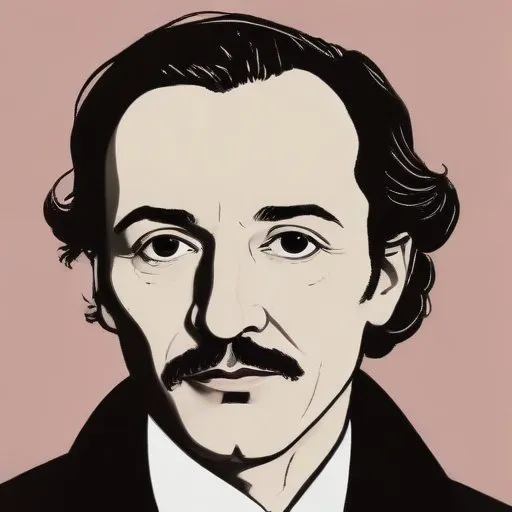
Michel Déon

Michel Déon

Michel Déon was born on August 4th, 1919

Full Name: Michel Déon
Place of Birth: Paris, France
Occupation: Novelist, Playwright, and Critic
Nationality: French
Zodiac Sign: Libra
Notable Work: The Foundling Boys
Académie Française: Member since 1978
Genre: Literary Fiction

A French literary giant, celebrated for his novels and plays that often explored the human condition, love, and morality, with a distinctive, lyrical writing style.

Timeline
1919
Born in Paris
Michel Déon was born on August 4, 1919, in Paris, France. He would go on to become a French novelist, playwright, and critic.
1940
Serves in World War II
Déon served in the Free French Forces during World War II, part of the resistance against German occupation.
1950
Publishes First Novel
Déon published his first novel, Adieux à Sheila, in 1950, which received critical acclaim.
1970
Wins Prix Interallié
Déon won the Prix Interallié in 1970 for his novel Les poneys sauvages, a prestigious French literary award.
2016
Passes Away
Michel Déon passed away on December 28, 2016, at the age of 97, leaving behind a body of work that explored the human condition.
Michel Déon

Michel Déon Quiz

What is a distinctive feature of Michel DÃeon's writing style?

Score: 0/5
FAQ
What was Michel Déons literary style?
Michel Déons literary style was characterized by his use of precise, elegant language and his ability to craft compelling narratives that often explored themes of love, identity, and social class.
What was Michel Déons most famous work?
Déons most famous work is The Yellow Dog, a novel that explores the complexities of human relationships and the corrupting influence of power.
What was Michel Déons role in French literary circles?
Déon was a prominent figure in French literary circles, and was a member of the prestigious Académie Française. He was also a close friend and colleague of other notable writers, including André Malraux and Jean-Paul Sartre.
What themes did Michel Déons work often explore?
Déons work often explored themes of love, identity, social class, and the human condition. He was particularly interested in the ways in which individuals navigate complex moral and emotional landscapes.
What is Michel Déons legacy in French literature?
Déons legacy in French literature is that of a masterful storyteller and a penetrating analyst of the human condition. His work continues to be widely read and studied in France and around the world.

Related People:

Jean-Paul Sartre

Born in 1905

Existentialist philosopher and playwright who argued that humans have complete freedom to choose their actions and create their own meaning in life, influencing modern thought on morality and individual responsibility.

Simone de Beauvoir

Born in 1908

A pioneering feminist philosopher who wrote extensively on ethics, politics, and gender, famously arguing that "one is not born, but rather becomes, a woman."

Albert Camus

Born in 1913

A French novelist, philosopher, and journalist who wrote influential works like "The Stranger" and "The Plague", exploring absurdism and the human condition.

Jean Anouilh

Born in 1910

A renowned French playwright and screenwriter, known for his poignant and thought-provoking works that often explored the human condition, morality, and the absurdity of life.

Françoise Sagan

91 Years Old

A celebrated French literary figure, known for her provocative and introspective works that explored the human condition, particularly among the young and disillusioned. Her writing often blended wit, sophistication, and emotional depth.

André Gide

Born in 1869

A French literary giant, renowned for his novels and essays that explored the human condition, morality, and the search for authenticity. His works often blurred the lines between fiction and autobiography.

Jean Cocteau

Born in 1889

A renowned French creative force, celebrated for his innovative and surreal works that blurred the lines between literature, art, and cinema, leaving an indelible mark on 20th-century culture.

Louis-Ferdinand Céline

Born in 1894

A French physician and writer, known for his novels that explored the human condition, often with dark humor and satire, influencing 20th-century literature. His works are considered classics of modernist fiction.