


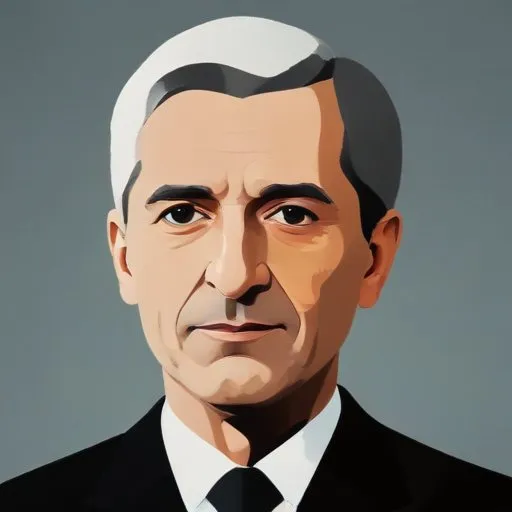
A Romanian writer and journalist, known for his vivid depictions of working-class life and struggles, as well as his critiques of capitalism and imperialism.
Born in 1883
A Greek philosopher, author, and playwright who explored the human condition through novels like "Zorba the Greek" and "The Last Temptation of Christ", delving into themes of spirituality, morality, and individualism.
Born in 1903
A renowned writer of dystopian classics, such as "1984" and "Animal Farm", who warned of totalitarianism's dangers through allegorical fiction.
Born in 1869
A French literary giant, renowned for his novels and essays that explored the human condition, morality, and the search for authenticity. His works often blurred the lines between fiction and autobiography.
Born in 1866
A French historian, author, and playwright who won the Nobel Prize in Literature in 1915 for his contributions to the ideal of international brotherhood and peace. He's best known for his novel "Jean-Christophe", a 10-volume epic that explores the life of a fictional German musician.
Born in 1873
A French author and journalist who wrote influential anti-war novels, most notably "Under Fire", which exposed the harsh realities of World War I.
Born in 1869
A Danish journalist and author who wrote influential works on social and political issues, particularly on the Danish resistance during World War II.
Born in 1878
A pioneering muckraker, exposing social and economic injustices through influential novels, most notably "The Jungle", which led to significant reforms in the meatpacking industry.
Born in 1871
A pioneering realist writer who chronicled the lives of the American working class, capturing the gritty realities of urban existence through novels like "Sister Carrie" and "An American Tragedy".