


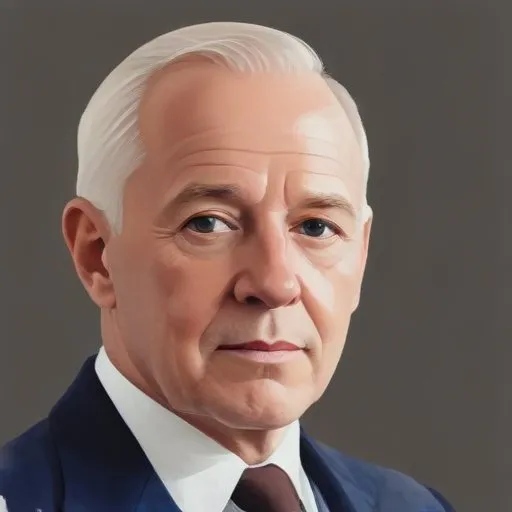
A Pulitzer Prize-winning historian and novelist who explored the American Southwest through his writings, shedding light on its rich cultural heritage.
Paul Horgan was a renowned American writer of historical fiction and nonfiction, best known for his vivid depictions of the Southwestern United States. With a career spanning over five decades, he is celebrated for his mastery of storytelling, earning him two prestigious Pulitzer Prizes for History.
Horgan was born on August 1, 1903, in Buffalo, New York, to a Catholic family. After his father contracted tuberculosis, the family moved to Albuquerque, New Mexico, in 1915, where Horgan developed a deep appreciation for the cultural and geographical landscape of the region.
He attended the New Mexico Military Institute in Roswell, New Mexico, where he formed a lifelong friendship with classmate and future artist Peter Hurd. This period of his life had a profound impact on his writing, as it allowed him to develop a deep understanding of the people and places that would later become the subject of his works.
Horgan's writing career began in 1933 with the publication of his first novel, The Fault of Angels, which won the Harper Prize. This early success set the tone for his subsequent works, which often explored the complexities of the American Southwest.
In addition to his literary pursuits, Horgan served as the head of the Army Information Branch of the US War Department during World War II, earning the Legion of Merit and rising to the rank of lieutenant colonel. He was also a Guggenheim Fellow in 1947 and served as president of the American Catholic Historical Association.
Horgan's contributions to American literature have been widely acknowledged, with historian David McCullough stating, "With the exception of Wallace Stegner, no living American has so distinguished himself in both fiction and history."
Through his works, Horgan has left an indelible mark on the cultural landscape of the American Southwest, offering a nuanced and deeply personal perspective on the region's history and people. His legacy continues to inspire new generations of writers, historians, and scholars.
As a testament to his enduring impact, Horgan's works remain widely read and studied, offering a rich and immersive exploration of the American Southwest's rich cultural heritage.
Born in 1897
A Pulitzer Prize-winning historian and author who explored the American West, conservation, and Mark Twain's life and works. His writings continue to influence Western American literature and environmentalism.
Born in 1909
A Pulitzer Prize-winning writer who explored the American West through novels, short stories, and essays, capturing the region's spirit and complexities. His works often blended history, fiction, and personal reflection.
Born in 1895
A prominent literary critic and editor who shaped American literary culture with his insightful essays and reviews, influencing generations of writers and intellectuals.
Born in 1871
A Pulitzer Prize-winning historian and literary critic who explored the intersection of politics and literature in American history, shaping the field of American Studies.
