


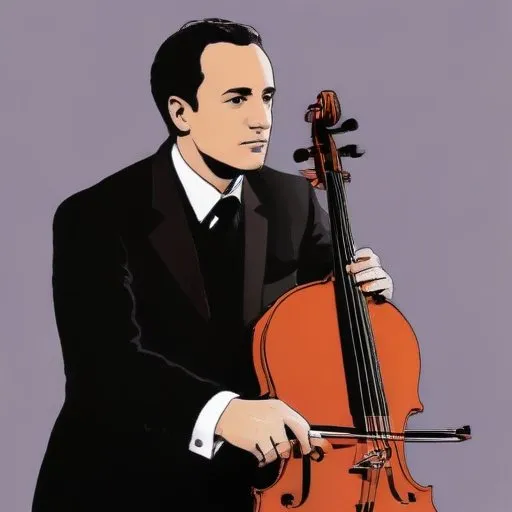
A French musician and composer who made significant contributions to the Romantic era with his piano and cello works, particularly in the salon music genre.
Paul Lacme is renowned for his captivating operettas and operas-bouffes that dominated the French and international stage during the late 19th and early 20th centuries. With over 20 works performed between 1870 and 1900, Lacme's music brought joy and excitement to audiences across the globe.
Born on March 4, 1838, in Le Houga, Gers, Lacme was the only child of an artistic and musical family. Growing up in Gascony, he was surrounded by the rich cultural heritage of the region, which undoubtedly influenced his later work. Lacme became a skilled musician, proficient in playing the piano, flute, cornet, cello, and ophicleide.
Between 1857 and 1860, he studied with the organist Jos Puig y Absubide in Aire-sur-Adour, which laid the foundation for his future success.
His most successful work in Britain was Ma mie Rosette (1890), starring Jessie Bond and Courtice Pounds, among others, with additional music by Ivan Caryll.
In addition to his operettas, Lacme composed an array of songs, chamber music, and orchestral works, including the ballet Le rêve d'Élias (1899), which ran for over 100 performances in Paris and London.
To commemorate the centenary of the French Revolution in 1889, Lacme devised the idea of reviving operas from the revolutionary era, reorchestrating them to suit modern tastes.
During World War I, Lacme's works experienced a resurgence in popularity, with successful revivals in Paris.
Although his fame waxed and waned over the years, Lacme's contributions to the world of French opera and operetta remain undeniable, leaving an indelible mark on the country's musical heritage.
Today, Paul Lacme's legacy serves as a testament to his innovative spirit, creativity, and dedication to the world of French opera and operetta.
Born in 1822
A Belgian organist and composer who created iconic works that blended Romanticism and Impressionism, leaving a lasting impact on classical music.
Born in 1835
A French Romantic-era mastermind who composed iconic works like "The Carnival of the Animals" and "Danse Macabre", leaving an indelible mark on classical music.
Born in 1845
A renowned French pianist, composer, and educator, he is most known for his romantic and impressionistic compositions, particularly his Requiem and nocturnes.
Born in 1842
A French Romantic composer, renowned for his operas, particularly "Manon" and "Werther", which showcased his mastery of lyricism and dramatic flair.
Born in 1818
A French Romantic-era composer and educator, renowned for his operas, particularly "Faust," which remains a staple of the operatic repertoire. His music is characterized by lyricism and dramatic flair.
Born in 1803
A French Romantic-era mastermind who composed iconic symphonies, operas, and orchestral works, revolutionizing classical music with his bold, expressive style.
Born in 1811
A virtuosic pianist and composer who revolutionized classical music with his technically demanding and emotionally expressive works, blending Hungarian folk influences with Romantic-era drama.
Born in 1810
A Polish pianist and composer renowned for his delicate, expressive, and technically demanding piano music that evokes deep emotions and continues to inspire generations of musicians and music lovers. His nocturnes, waltzes, and preludes are staples of classical music.
