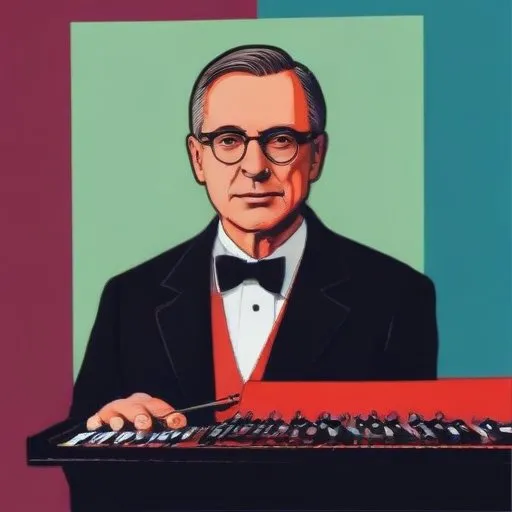
Paul Siefert: The German Composer and Organist of the North German School
A Life of Music and Controversy
Paul Siefert, a German composer and organist, is renowned for his significant contributions to the North German school of music. Born on May 23, 1586, in Danzig (now Gdansk), Royal Prussia, Siefert's life was marked by his exceptional talent, fierce rivalries, and a series of setbacks that threatened to overshadow his remarkable achievements.
Early Life and Education
Siefert's early life was marked by tragedy, with his father passing away in 1604. The Danzig city council, recognizing his talent, awarded him a scholarship to study with the esteemed Jan Pieterszoon Sweelinck in Amsterdam. From 1607 to 1610, Siefert honed his skills alongside
Samuel Scheidt, another prominent musician of the time.
Rise to Prominence
Upon completing his studies, Siefert returned to Danzig and became the assistant organist of the Marienkirche. Although he failed to secure the position of principal organist due to his perceived arrogance and unorthodox performance style, he went on to hold prominent positions in Knigsberg and Warsaw. In 1623, he finally secured the post of principal organist at the Marienkirche, a position he held until his death in 1666.
Music and Legacy
Siefert's music is characterized by its emphasis on the chorale motet and the concertato chorale motet. His published works include
Psalmen Davids, a collection of psalm settings, and
Psalmorum Davidicorum II, featuring fifteen psalms for four to eight voices. These compositions not only demonstrate his mastery of counterpoint but also showcase his innovative use of instrumental accompaniment.
Feuds and Controversies
Siefert's life was not without controversy. He engaged in several high-profile feuds with contemporaries, including Kaspar Frster, choirmaster of the Marienkirche, and Marco Scacchi, Polish court choirmaster. These rivalries often spilled over into public displays of animosity, tarnishing Siefert's reputation and making his life as a court musician tumultuous.
Impact and Influence
Despite the challenges he faced, Siefert's contributions to the North German school have had a lasting impact on the development of Baroque music. His innovative use of instrumental accompaniment and his emphasis on the chorale motet paved the way for future generations of composers.
Personal Life and Milestones
Siefert's personal life remains somewhat shrouded in mystery. However, it is known that he was named after his father, who had passed away just two years before his birth. Throughout his life, Siefert faced numerous setbacks, including failed applications for prominent positions and public feuds with his contemporaries.
Legacy and Rememberance
Paul Siefert's legacy is complex, marked by both brilliant compositions and tumultuous personal relationships. Despite the challenges he faced, his contributions to the North German school have cemented his place in the annals of music history. As a testament to his enduring impact, Siefert's music continues to inspire and influence musicians to this day.
FAQ
What is Paul Sieferts musical style?
Paul Sieferts musical style is characterized by his use of complex harmonies, intricate melodies, and a blend of traditional and modern compositional techniques.
How does Paul Siefert compose music?
Paul Siefert composes music by drawing inspiration from a wide range of sources, including classical music, jazz, and folk traditions. He is known for his meticulous attention to detail and his ability to craft complex, nuanced compositions.
What are Paul Sieferts most famous works?
Paul Sieferts most famous works include his organ symphonies, choral pieces, and chamber music. He is also known for his arrangements of traditional folk songs and hymns.
How does Paul Siefert teach music?
Paul Siefert teaches music by providing individual lessons, leading workshops, and directing choirs. He is known for his patient, encouraging teaching style and his ability to help students of all levels improve their skills.
What is Paul Sieferts legacy?
Paul Sieferts legacy is marked by his contributions to the world of classical music, his dedication to teaching and composition, and his commitment to preserving traditional musical traditions.