


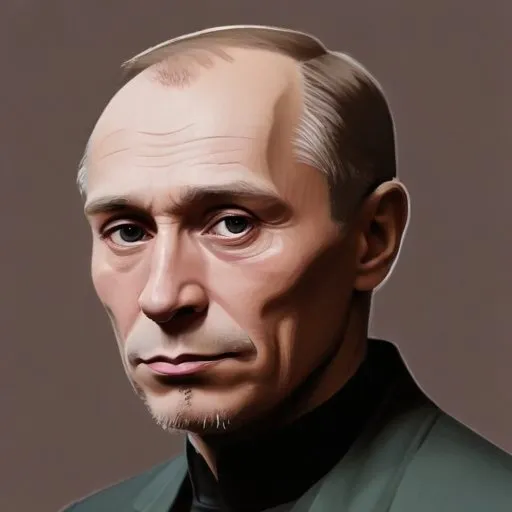
A Russian street artist and painter, known for his provocative and often subversive works that blend graffiti and fine art, challenging social norms and authority.
Pavel 183, also known as the "Russian Banksy," was a street artist and activist who left an indelible mark on the world of urban art. Born Pavel Pukhov on August 11, 1983, in Moscow, Russia, he was renowned for his thought-provoking murals, installations, and audio-visual works that critiqued the social and political landscape of his native country.
At the tender age of 11, Pavel stumbled upon Moscow's infamous Tsoi Wall, an alleyway covered in graffiti and messages commemorating the life of rock star Viktor Tsoi. This chance encounter sparked a lifelong passion for free expression and the power of art to challenge the status quo.
Pavel's works ranged from murals spray-painted on public structures to innovative combinations of audio and video, often accompanied by a political message. His unique style, characterized by grayscale photorealism and socially critical installations, earned him comparisons with British street artist Banksy and American artist Keith Haring.
Like Banksy, Pavel chose to keep his true identity a secret, revealing only a few biographical details on his website. This air of mystery added to his enigmatic persona, allowing his art to take center stage.
Pavel was a staunch critic of advertising, which he believed deprived people of free will. He drew a clear distinction between designers, whom he saw as "money makers," and real artists, whose work he deeply respected.
Pavel's most notable works addressed political issues, including the disputed 2011 Russian legislative election. One of his final pieces, created in the midst of this controversy, showcased his unwavering commitment to using art as a platform for social commentary.
Throughout his career, Pavel experimented with various techniques, including drawing in the dark with lights and incorporating environmental elements, such as Moscow's waterways and concrete spaces, into his works.
Despite his untimely passing on April 1, 2013, Pavel 183's art continues to inspire and provoke. His legacy serves as a testament to the power of street art to challenge the establishment and spark meaningful dialogue.
Pavel's contributions to the world of urban art have paved the way for a new generation of street artists, encouraging them to use their creativity as a means of social commentary and activism.
Quotes and Memorable Sayings:
Did you know that Pavel held a degree in communicative design, but never used the techniques he learned during his studies in his professional career? Instead, he pursued various jobs, including system administrator work, design, restoration, and art direction, to support his nocturnal graffiti habit.
Pavel 183's enigmatic persona, coupled with his thought-provoking art, has cemented his place as one of the most fascinating figures in the world of street art. His legacy continues to inspire and challenge, ensuring that his art will remain an integral part of urban culture for generations to come.
Born in 1844
A Russian master of realism, known for vivid depictions of Russian life and history, capturing the essence of the human experience through his brushstrokes.
Born in 1848
A Russian master of historical scenes, capturing the grandeur and drama of 16th- to 18th-century Russia with vivid colors and meticulous details.
Born in 1860
A Russian painter and illustrator renowned for capturing the serene beauty of landscapes and the fleeting effects of light, evoking a sense of melancholy and nostalgia.
Born in 1842
A master of light and atmosphere, this Ukrainian-Russian painter is renowned for his breathtaking landscapes that evoke a sense of mystique and drama.
Born in 1848
A Russian master of fantasy and folklore, creating vivid illustrations and paintings that brought mythical creatures and legends to life. His work continues to inspire artists and designers today.
Born in 1856
A Russian Symbolist painter who created vibrant, dreamlike works that blended fantasy and reality, often featuring mythical creatures and folklore-inspired themes.
Born in 1861
A Russian-French painter and set designer who blended Impressionism and Art Nouveau styles, creating vibrant, expressive works for the Ballets Russes and opera productions.
Born in 1878
A Russian painter and stage designer renowned for his vibrant, folk-inspired depictions of Russian life and his work on productions like Nikolai Rimsky-Korsakov's "The Golden Cockerel" .
